
 How antibiotics affect your gut microbiome and why probiotics may not be the solution
KillBait - News highlights delivered clearly and responsibly—no clickbait, no sensationalism
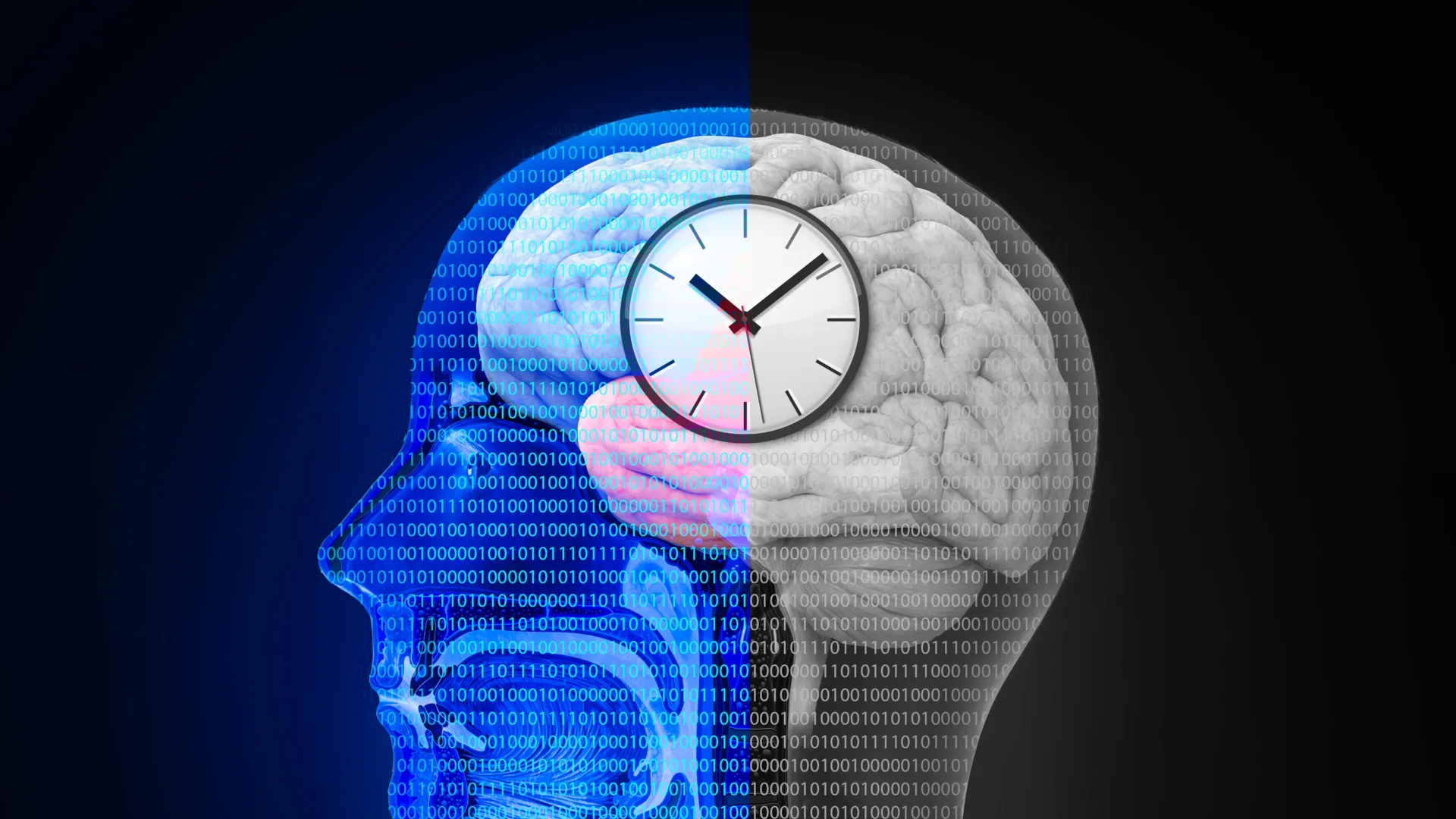
Photo: ScienceDaily
2026-05-31 16:16 Health 12 


Intermittent fasting linked to coordinated changes in gut bacteria and brain activity during weight loss
A study published in Frontiers examined how an intermittent energy restriction (IER) diet affects both the body and brain in adults with obesity.Researchers followed 25 participants in China with an average age of 27 and BMI ranging from 28 to 45.
The intervention included a 32-day highly controlled fasting phase, during which calorie intake was gradually reduced, followed by a 30-day low-calorie phase where participants consumed around 500–600 calories per day depending on sex.By the end of the program, participants lost an average of 7.6 kilograms, or about 7.8% of their body weight.
They also showed improvements in metabolic health markers, including reduced blood pressure, fasting glucose, cholesterol levels, and liver enzyme activity.
Beyond physical changes, brain imaging using functional MRI revealed decreased activity in regions associated with appetite regulation, reward processing, addiction-related behavior, and self-control.At the same time, researchers observed significant shifts in the gut microbiome.
Beneficial bacteria such as Faecalibacterium prausnitzii, Parabacteroides distasonis, and Bacteroides uniformis increased, while Escherichia coli decreased.
Further analysis suggested correlations between specific gut microbes and activity in brain regions involved in executive function, emotion, attention, and behavioral inhibition, such as the left orbital inferior frontal gyrus.The findings support the idea of a dynamic gut–brain axis, where microbial changes and neural activity appear to evolve together during weight loss.However, researchers caution that the study is small and observational, meaning it cannot establish causation.It is unclear whether changes in gut bacteria drive brain activity changes, vice versa, or if both are influenced by other factors.
Even so, the results suggest that successful weight loss may involve coordinated biological changes across the gut, brain, and metabolism rather than calorie reduction alone.
2224
Original title: Intermittent fasting triggers surprising changes in the brain
The AI system has determined that this news is not clickbait/sensationalist: : The original title uses the phrase 'surprising changes,' which adds mild sensational emphasis, but it still accurately reflects the study’s findings and does not exaggerate or mislead beyond the content. This has coincided with the opinion of the majority of users.
You may also be interested in...
How antibiotics affect your gut microbiome and why probiotics may not be the solution
 Physician questions frequency and interpretation of Trump’s cognitive screening results
 Clinical trial shows pancreatic cancer drug significantly extends survival compared to chemotherapy