
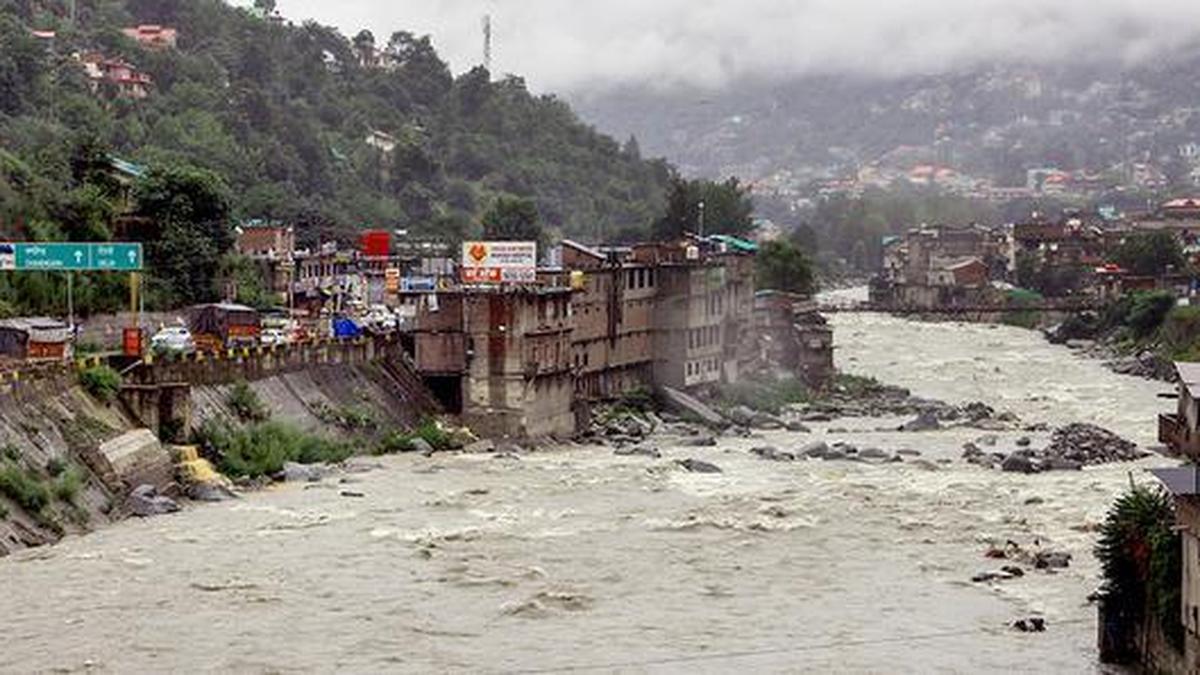
 Heavy Monsoon Rains Cause Flooding and Landslides Across India
KillBait - News highlights delivered clearly and responsibly—no clickbait, no sensationalism
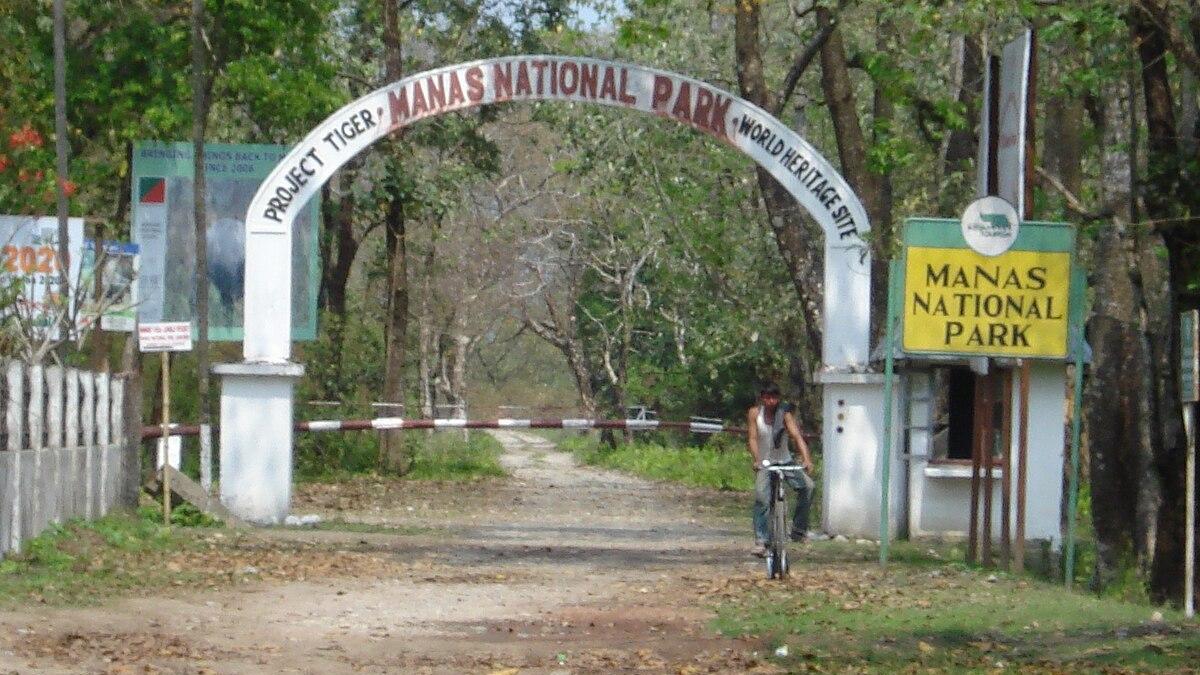
Photo: The Hindu
2026-07-11 12:14 Environment 10


Invasive plants threaten grasslands and wildlife in Manas Tiger Reserve
The Forest Department in Assam’s Bodoland Territorial Council (BTC) revealed that 14 invasive plant species have caused a 43.59% decline in grassland cover in Manas Tiger Reserve over 30 years.Grassland area dropped from 53.61% in 1990 to 30.24% in 2019, with a 23.37% absolute reduction.This loss impacts species like the Indian rhinoceros, pygmy hog, and hispid hare, which rely on grasslands.Factors include civil unrest (1988-2004) disrupting habitat management, uncontrolled fires, livestock grazing, and poaching by extremist groups.Invasive species like Chromolaena odorata and Lantana camara have encroached, converting grasslands into woodlands.The reserve’s woodland area increased from 40.42% to 60.62%, threatening ecological balance.Encroachment of 3,709 hectares in core areas further complicates conservation efforts.
The decline affects not just herbivores but also tigers, leopards, and other carnivores, highlighting urgent management needs for this UNESCO World Heritage Site.
2186
Original title: 14 invasive plants behind grassland loss in one of India’s first tiger reserves
The AI system has determined that this news is not clickbait/sensationalist: : The original title is factual and highlights the main issue without exaggeration, making it non-clickbait. This has coincided with the opinion of the majority of users.
You may also be interested in...
Heavy Monsoon Rains Cause Flooding and Landslides Across India
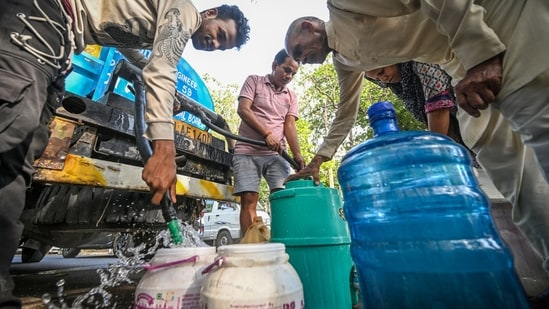 Delhi to mandate water meters for borewells to regulate groundwater usage and billing
 NGT halts cricket stadium activities over groundwater usage concerns