
 The Strategic Challenges Facing the U.S. in Iran
KillBait - News highlights delivered clearly and responsibly—no clickbait, no sensationalism
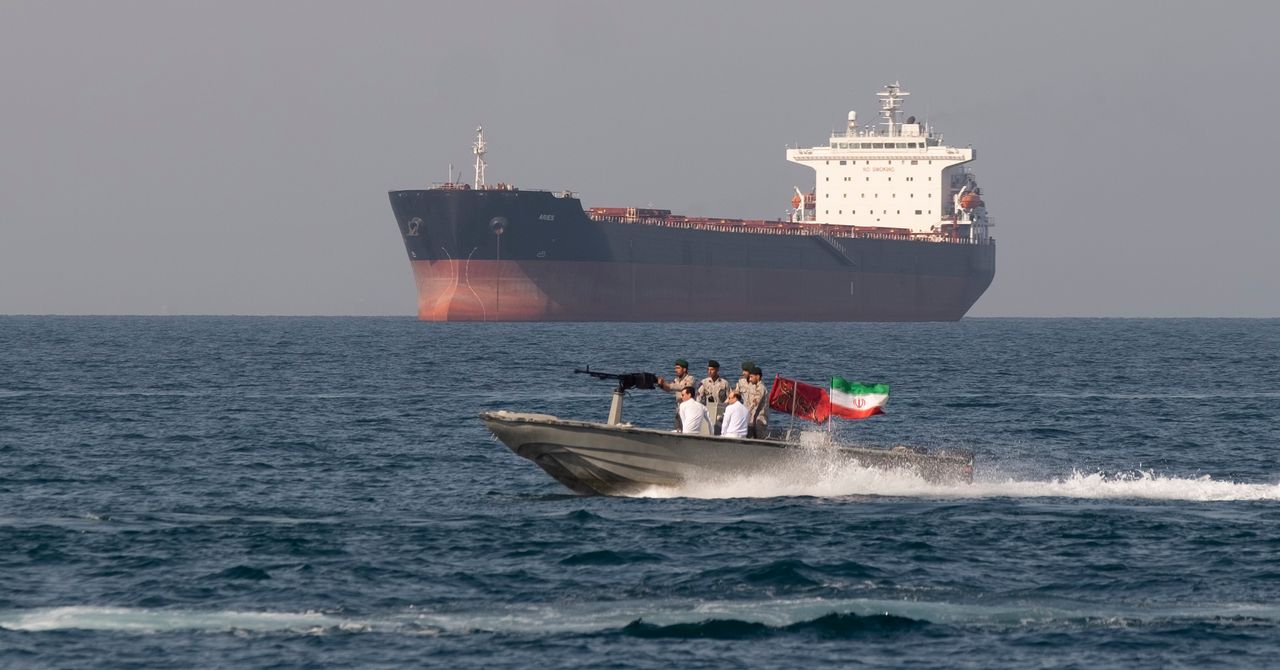
Photo: WIRED
2026-05-12 23:47 Geopolitics 13 


Iran Deploys Small Naval Vessels to Disrupt Shipping in the Strait of Hormuz
Following the near-total destruction of Iran's conventional naval fleet by U.S.and Israeli strikes, Tehran has adopted an asymmetrical maritime strategy focused on small, fast-attack vessels known as the 'mosquito fleet.
' Operated by the Islamic Revolutionary Guards Corps (IRGC), these vessels are equipped with missiles, machine guns, and drones, and are designed to swarm and disrupt commercial shipping in the Strait of Hormuz.
Analysts note that Iran’s advantage lies in the sheer number of boats—over a thousand—and their integration with drones, mines, and hidden coastal infrastructure, which collectively create a persistent threat that is difficult to neutralize.
This strategy prioritizes disruption and attrition rather than seeking decisive naval battles, allowing Iran to exert coercive leverage without escalating into full-scale war.Recent incidents, including the seizure of container ships, demonstrate the fleet’s effectiveness.
Experts emphasize that eliminating these small boats would require a sustained campaign, likely involving ground operations to access the tunnels where the vessels are stored.
By leveraging geography, technological integration, and guerrilla tactics, Iran maintains a capable naval presence despite the destruction of its traditional fleet, posing ongoing strategic and economic challenges for global shipping.
2241
Original title: Iran Is Using Tiny ‘Mosquito’ Boats to Shut Down the Strait of Hormuz
The AI system has determined that this news is clickbait/sensationalist: : The original title emphasizes dramatic imagery ('tiny mosquito boats' and 'shut down') that exaggerates the immediate threat, making it sound more sensational than the article's measured analysis of asymmetrical tactics and strategic disruption. This has coincided with the opinion of the majority of users.
You may also be interested in...
The Strategic Challenges Facing the U.S. in Iran
 Trump delays planned Iran attack but remains ready for large-scale action
 Former Lawmaker Criticizes Trump's Handling of Iran Conflict and Its Impact on U.S. Strategy