
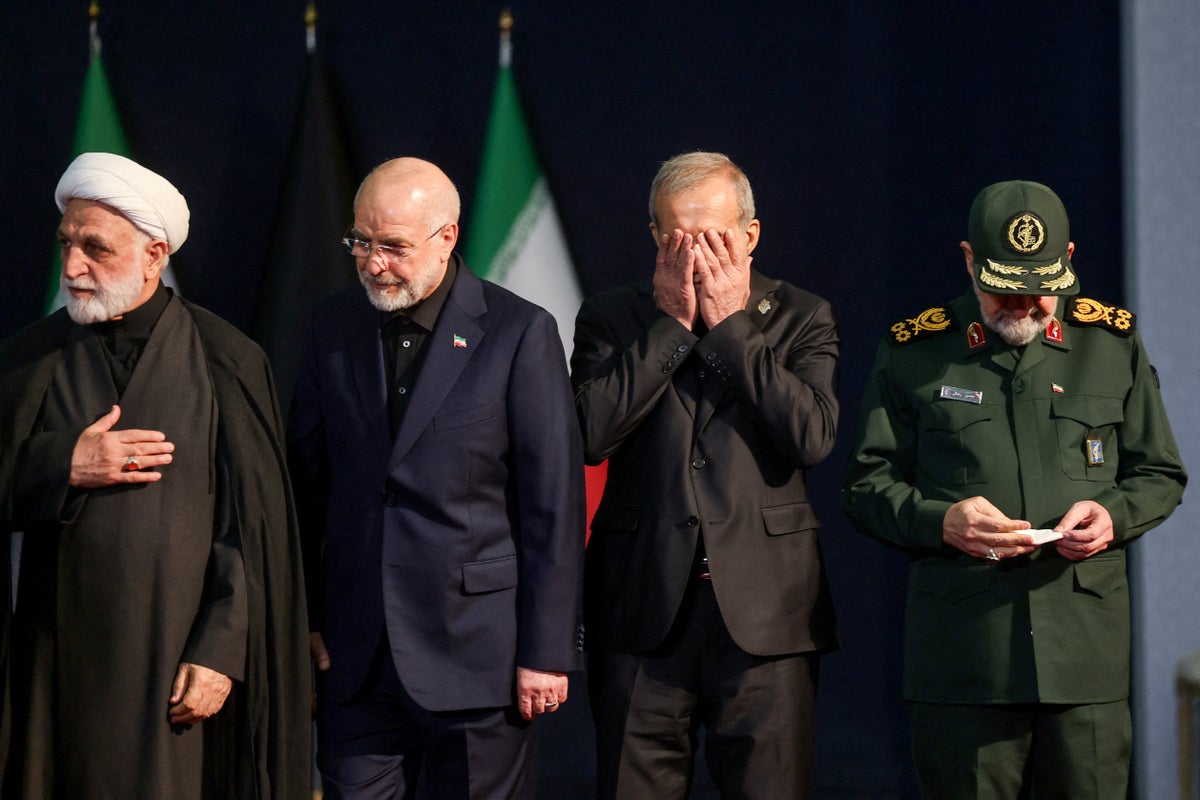
 Iran and the US navigate post-war tensions as Ayatollah Khamenei's funeral plans unfold
KillBait - News highlights delivered clearly and responsibly—no clickbait, no sensationalism
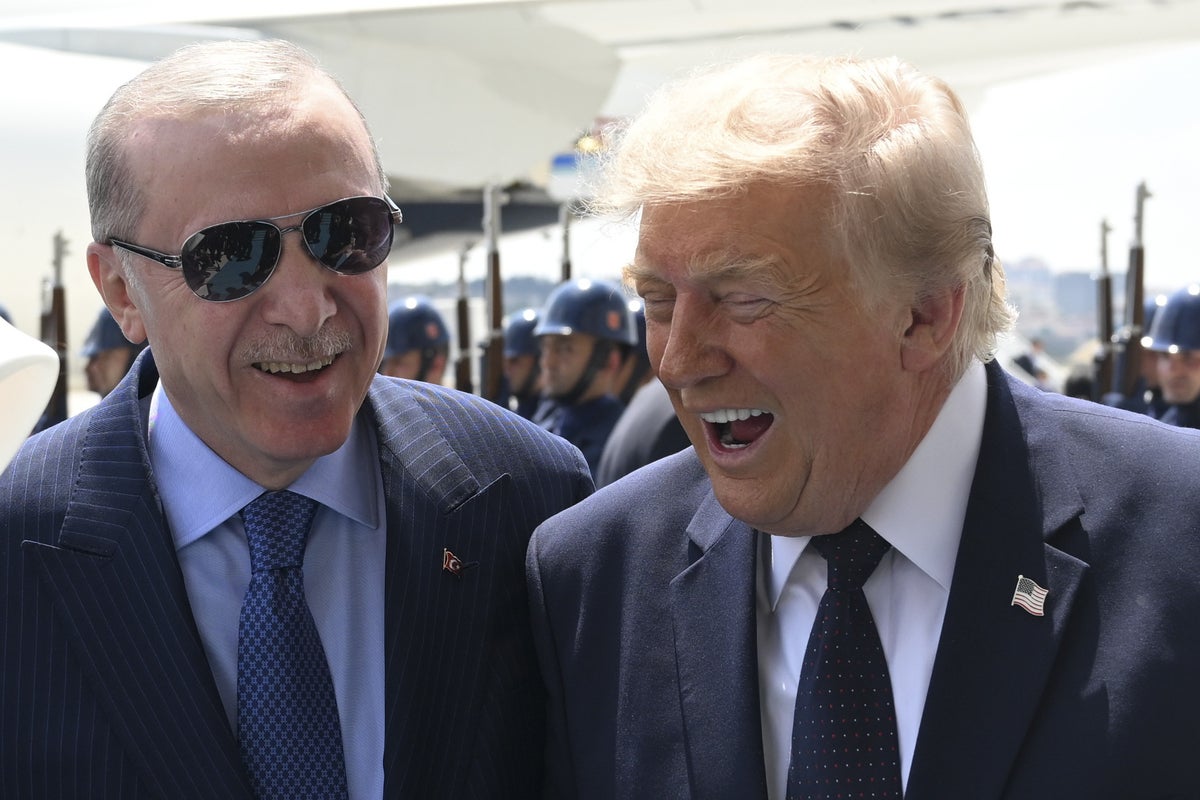
Photo: The Independent
2026-07-08 10:50 Conflict 10


Iran launches retaliatory attacks on US bases in Bahrain and Kuwait after renewed American strikes near the Strait of Hormuz
The ceasefire between the United States and Iran came under renewed strain after Iran launched retaliatory attacks against American military facilities in Bahrain and Kuwait following fresh US military strikes.
According to Iran's Islamic Revolutionary Guard Corps (IRGC), missiles and drones targeted key US installations, including bases in Bahrain and Kuwait, while Iranian officials also claimed to have shot down a US MQ-9 Reaper drone.Air raid sirens sounded in both countries, although US military authorities did not immediately comment on the reported attacks.
Earlier, US Central Command announced that it had carried out extensive strikes against Iranian military assets, including command centres, air defence systems, coastal radar installations, anti-ship missile capabilities and more than 60 IRGC vessels.
Washington said the operation was a response to attacks on commercial shipping in the Strait of Hormuz and described Iran's actions as a violation of the existing ceasefire arrangement.
Iran, however, accused the United States of breaching the memorandum of understanding agreed the previous month and warned that further US military activity would provoke a stronger response.
Iranian state media reported explosions at several locations, including Bandar Abbas, Sirik, Qeshm Island and Kharg Island, with officials reporting injuries but no confirmed civilian deaths.
Meanwhile, NATO Secretary General Mark Rutte defended the renewed US strikes as a necessary response to Iranian actions while reaffirming Washington's commitment to the alliance.
At the same time, some prominent former supporters of Donald Trump's MAGA movement criticised the decision to resume military operations, arguing that it contradicted the president's long-standing pledge to avoid prolonged foreign conflicts.
The developments have further heightened tensions across the Gulf region and raised concerns about the stability of maritime security and international energy supplies.
Full reading at The Independent
2186
Original title: Trump-Nato latest: US bases targeted by Iran after fresh strikes as president hits out at allies during summit
The AI system has determined that this news is not clickbait/sensationalist: : The original title accurately reflects the principal developments reported in the article and summarises the main events without relying on exaggerated or misleading language, despite using the common 'latest' format for a live news update. This has coincided with the opinion of the majority of users.
You may also be interested in...
Iran and the US navigate post-war tensions as Ayatollah Khamenei's funeral plans unfold
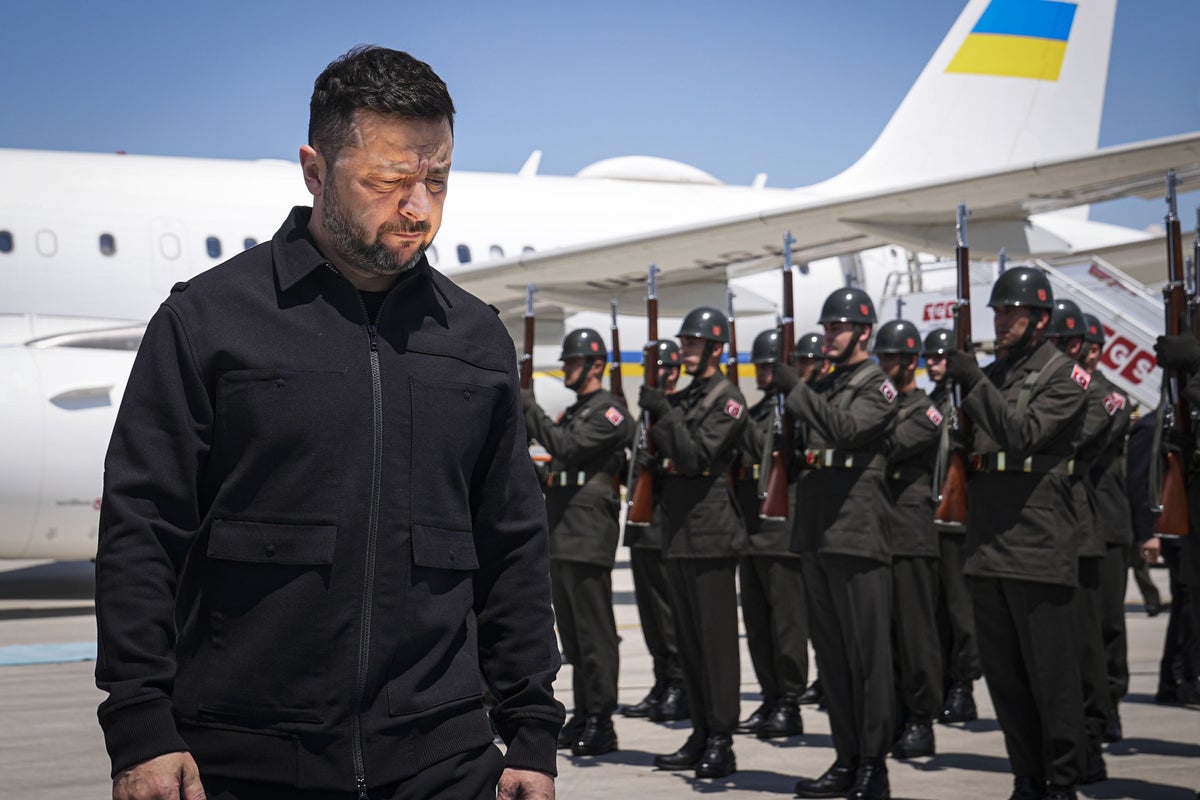 Ukraine-Russia War Updates: Missile Strikes and NATO Summit Developments
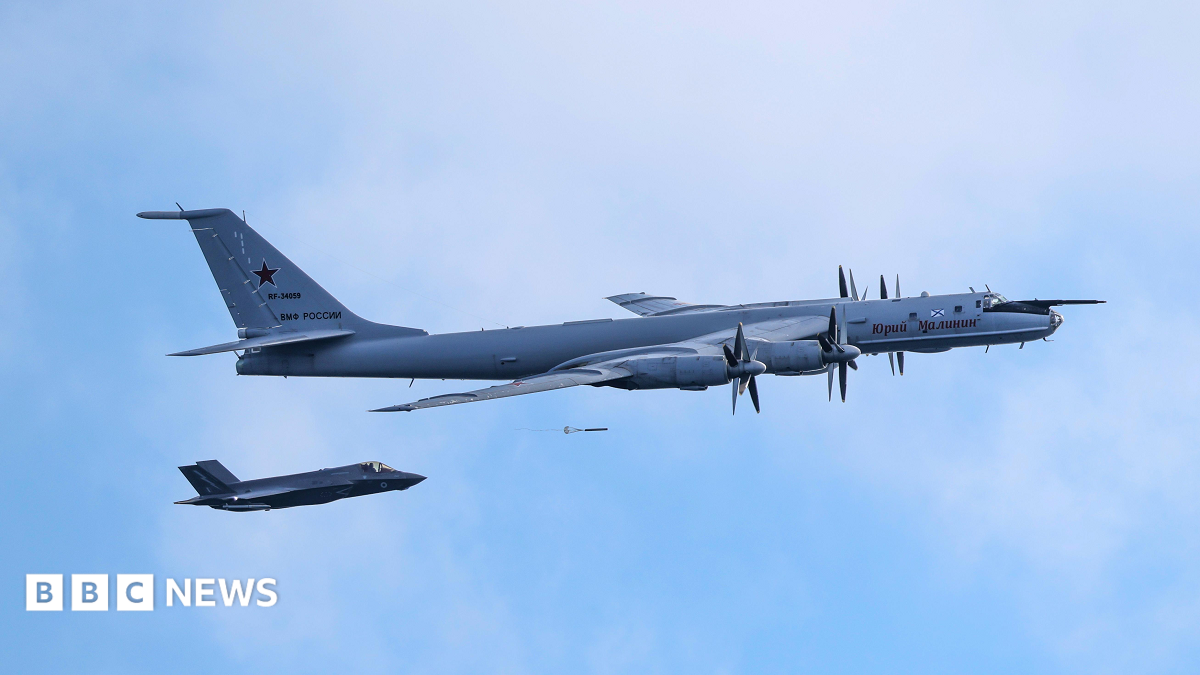 UK Fighter Jets Intercept Russian Maritime Patrol Aircraft in Norwegian Sea