
 US Reinstates Hormuz Blockade and Charges Ships 20% Toll Amid Regional Tensions
KillBait - News highlights delivered clearly and responsibly—no clickbait, no sensationalism
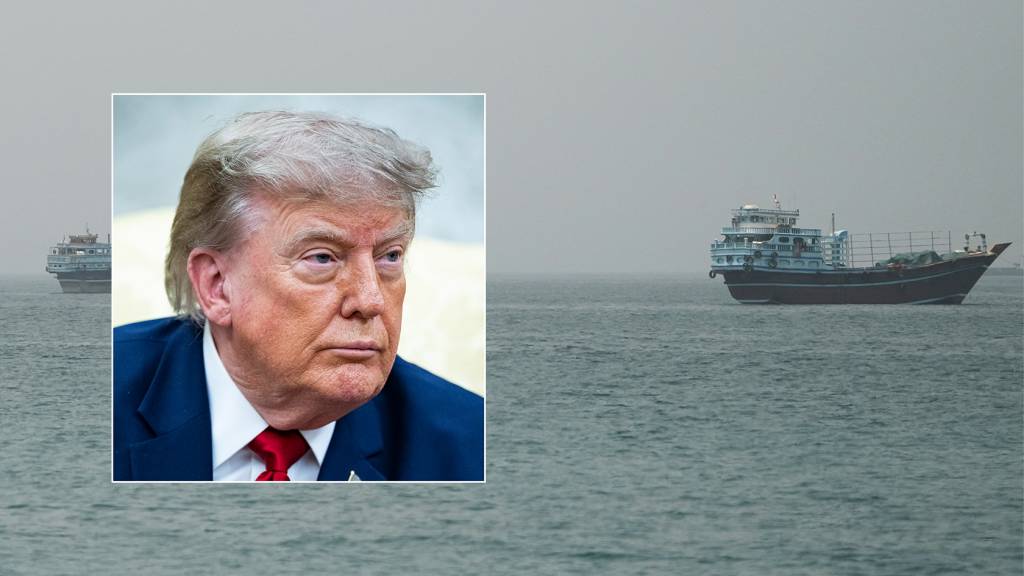
Photo: Crikey
2026-07-16 17:09 Geopolitics 10


Iran's Strategic Advantage Through the Strait of Hormuz and Ceasefire Tensions
The article examines Iran's strategic leverage over the Strait of Hormuz, a critical chokepoint for global oil exports, following the collapse of a ceasefire agreement.Iranian Foreign Affairs Minister Abbas Araghchi's response to U.S.sanctions and naval blockades highlights Tehran's dissatisfaction with the situation.The piece analyzes how Iran's position in the region allows it to exert influence despite international pressures.Trump's announcement of a 20% fee on cargo through the Strait of Hormuz and subsequent naval blockade aimed to assert U.S.dominance as the 'guardian' of the region.However, Iran's retort suggests the ceasefire's breakdown is not in its interest.
The article underscores the complex geopolitical dynamics at play, with Iran seeking to maintain its strategic advantages while navigating international sanctions and military posturing.The situation reflects broader tensions between regional powers and the global energy market's reliance on the Strait of Hormuz.The piece also touches on the implications for global oil trade and the potential for further conflict if diplomatic efforts fail.
2187
Original title: Why a broken ceasefire suits Iran just fine
The AI system has determined that this news is not clickbait/sensationalist: : The original title is a direct reflection of the article's content, focusing on Iran's strategic advantages rather than sensationalizing events. This has coincided with the opinion of the majority of users.
You may also be interested in...
US Reinstates Hormuz Blockade and Charges Ships 20% Toll Amid Regional Tensions
 US reinstates Hormuz naval blockade amid Iran tensions
 Iran and US escalate Strait of Hormuz tensions amid military strikes