
 Houthi Blockade Threatens Global Oil Supply and Regional Stability
KillBait - News highlights delivered clearly and responsibly—no clickbait, no sensationalism

Photo: news
2026-07-22 02:31 Conflict 10


Iran strikes US assets in Gulf amid Houthi threats to broaden regional conflict
Tensions in the Middle East have escalated sharply as Iran has targeted US military installations in the Gulf region, including radar and air defence systems in Kuwait and Bahrain.This comes after the United States conducted strikes against Iranian capabilities used to disrupt commercial shipping in the Strait of Hormuz.
Iranian President Masoud Pezeshkian declared that his country is now engaged in a full-scale war with the US, highlighting the severity of the ongoing conflict.Iran's Revolutionary Guards claimed responsibility for attacking non-compliant oil tankers and warned of further decisive actions.
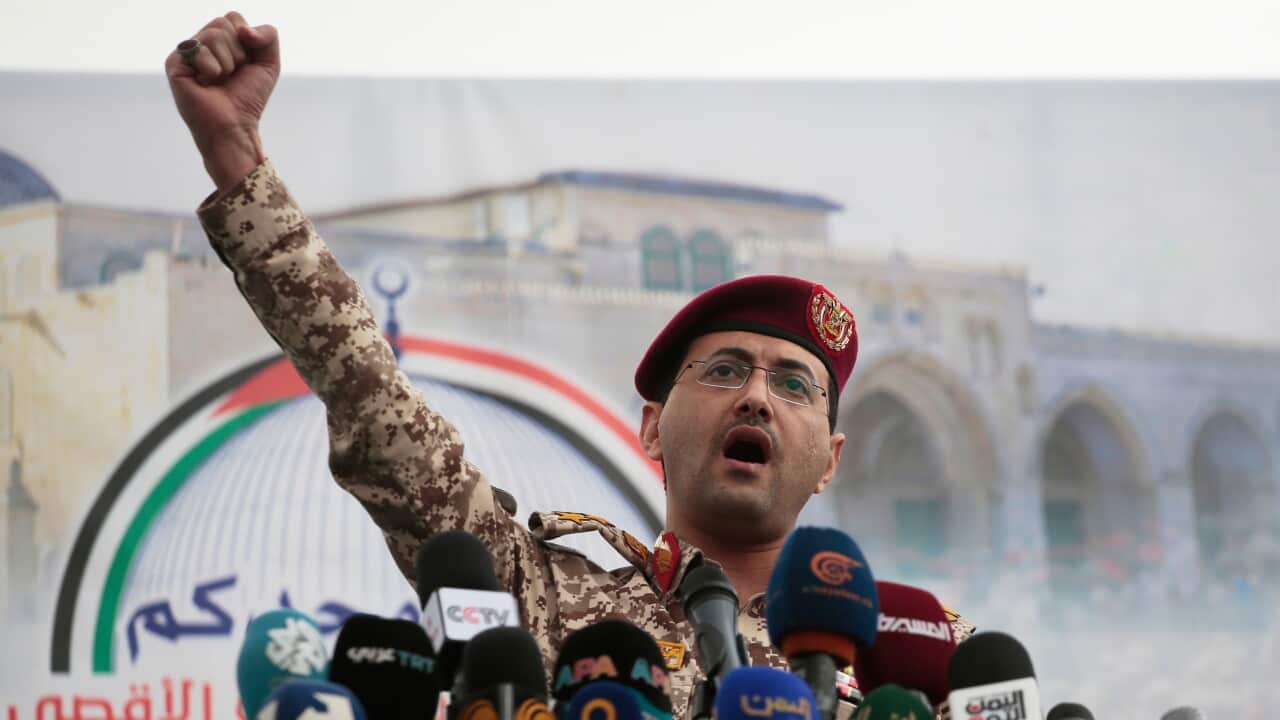
Meanwhile, the Houthi rebels in Yemen, allies of Tehran, have announced plans to blockade Saudi ports, which could significantly impact global oil supplies and further destabilise the region.
The conflict, which resumed after the collapse of a ceasefire, has already resulted in US military casualties and injuries, with nearly 100 servicemembers wounded in recent weeks.Oil prices surged in response to the disruptions in this vital waterway that handles a substantial portion of the world's oil trade.Diplomatic efforts continue through mediators, but the situation remains volatile with risks of wider involvement from other regional players.
Saudi Arabia has condemned the Houthi threats, and the potential for broader economic repercussions looms large as both sides vie for control over key maritime routes.
This latest flare-up underscores the fragile nature of peace in the area and the interconnected threats posed by proxy forces and direct confrontations.Australian interests in energy security and regional stability could be affected by any prolonged disruption to oil flows from the Middle East.
2187
Original title: New strikes as Trump warns Iran will pay for US troop deaths
The AI system has determined that this news is not clickbait/sensationalist: : The original title accurately reflects the key events described in the article without excessive sensationalism, though headlines in breaking news often aim to capture attention quickly. This has coincided with the opinion of the majority of users.
You may also be interested in...
Houthi Blockade Threatens Global Oil Supply and Regional Stability
 Hezbollah's uncertain future as Lebanese support dwindles
 Houthis Declare Red Sea Oil Route Blockade, Sparking US-Iran Tensions