
 Analyst criticizes Trump administration over alleged missteps slowing Iran peace efforts
KillBait - News highlights delivered clearly and responsibly—no clickbait, no sensationalism
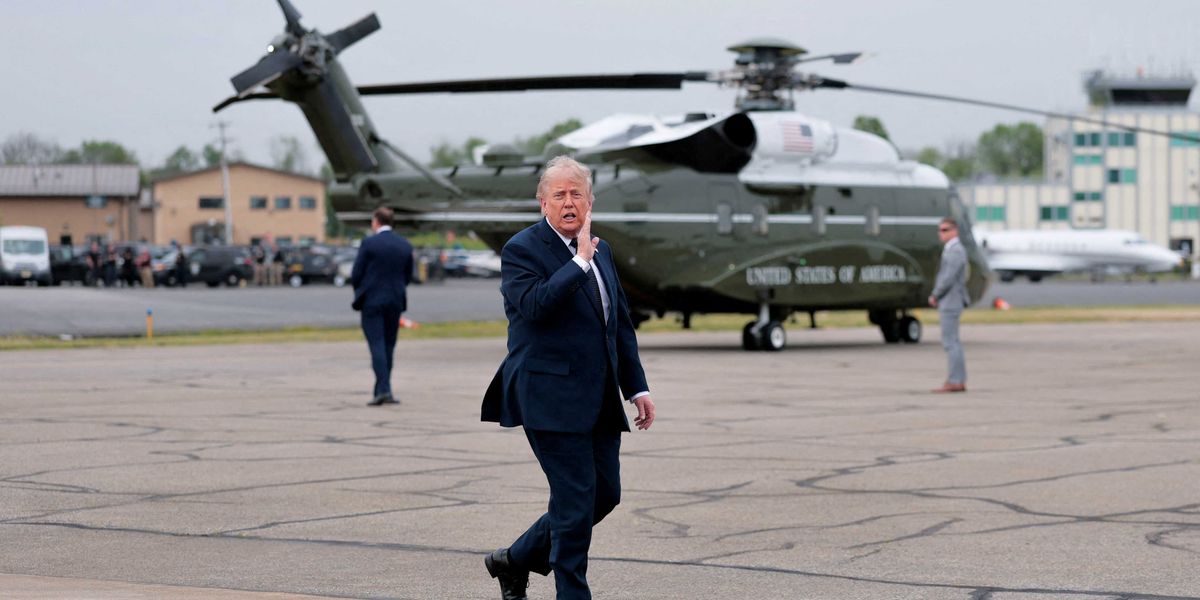
Photo: Raw Story - Celebrating 20 Years of Independent Journalism
2026-06-01 18:16 Geopolitics 31 


Iran suspends US talks amid regional escalation and online backlash over diplomatic handling
Iran announced it is suspending negotiations with the United States following a period of heightened regional tensions involving Israeli strikes and an expanded military offensive in Lebanon.
According to Iranian state-affiliated media, the country’s negotiating team has halted all talks and exchanges of messages through mediators, effectively freezing ongoing diplomatic efforts with Washington.
The development comes as Iranian officials reportedly consider further escalation, including the potential closure of the Strait of Hormuz, a critical global oil shipping route.
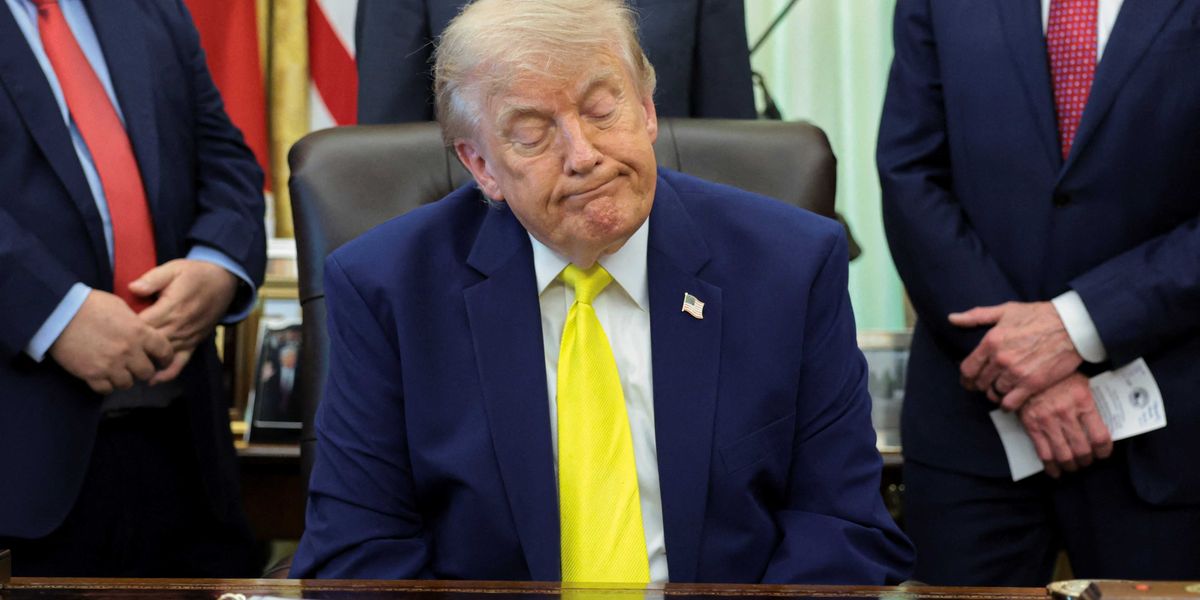
The suspension followed remarks from President Donald Trump, who had recently urged critics to “sit back and relax” while suggesting that he was managing the now-collapsed negotiations.
The breakdown in talks quickly triggered widespread reactions across social media platforms, where political commentators, journalists, and public figures debated the implications of the failed diplomacy and the broader risk of escalation in the Middle East.Commentary highlighted sharply divided perspectives.
Some critics accused the administration of mismanaging expectations around a potential deal with Iran, while others argued that the United States should disengage from regional conflicts altogether.
Posts cited in the article reflected concerns about rising global energy prices, the risks of broader military confrontation, and uncertainty over America’s role in mediating conflicts involving Israel, Lebanon, and Iran.Figures from across the political spectrum weighed in, including former officials and media commentators who questioned whether U.S.policy was contributing to instability or attempting to contain it.
The situation underscores growing geopolitical tensions and the fragile state of diplomatic channels, as both military activity and political rhetoric continue to escalate in the region.
The article frames the suspension of talks as part of a rapidly evolving conflict environment, with significant implications for international security and energy markets.
Full reading at Raw Story - Celebrating 20 Years of Independent Journalism
2421
Original title: 'He has no idea how to get out': Internet in uproar as Iran suspends talks with US
The AI system has determined that this news is clickbait/sensationalist: : The original title uses a highly emotional and subjective quote (“He has no idea how to get out”) designed to provoke outrage and curiosity, rather than neutrally describing the suspension of talks. This framing is typical of clickbait-style headlines. This has coincided with the opinion of the majority of users.
You may also be interested in...
Analyst criticizes Trump administration over alleged missteps slowing Iran peace efforts
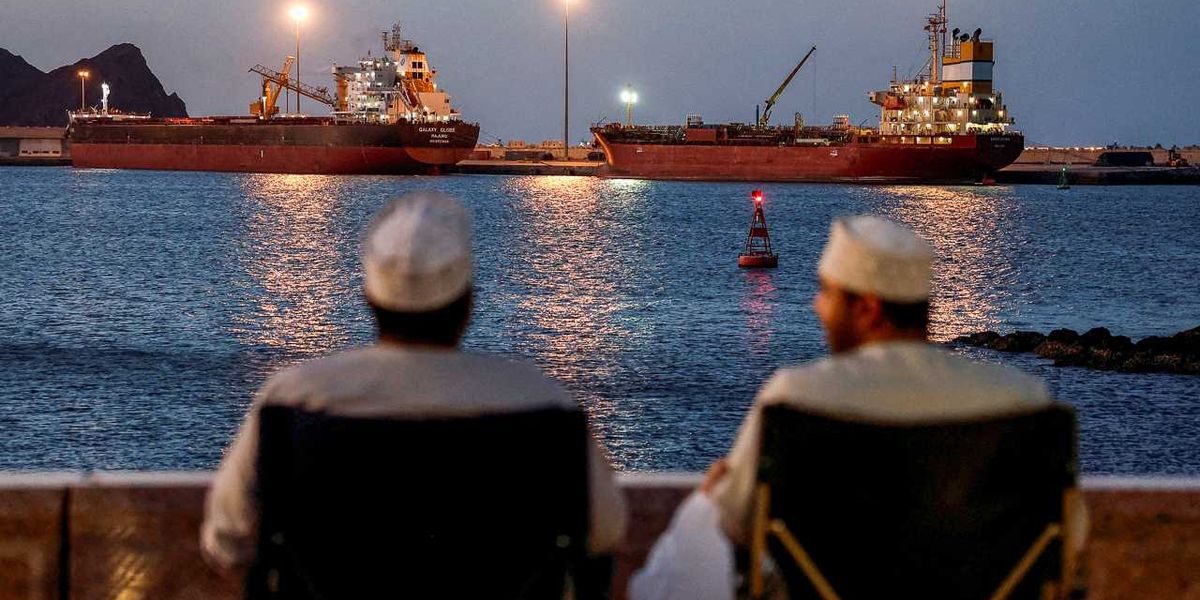 Oil analyst warns U.S. fuel inventories may fall below critical levels amid Strait of Hormuz disruption
 Commentary Questions the Peace Intentions Behind Zelensky’s Open Letter to Putin