
 Falling birthrates, ageing populations and the political debate over immigration as a demographic solution
KillBait - News highlights delivered clearly and responsibly—no clickbait, no sensationalism
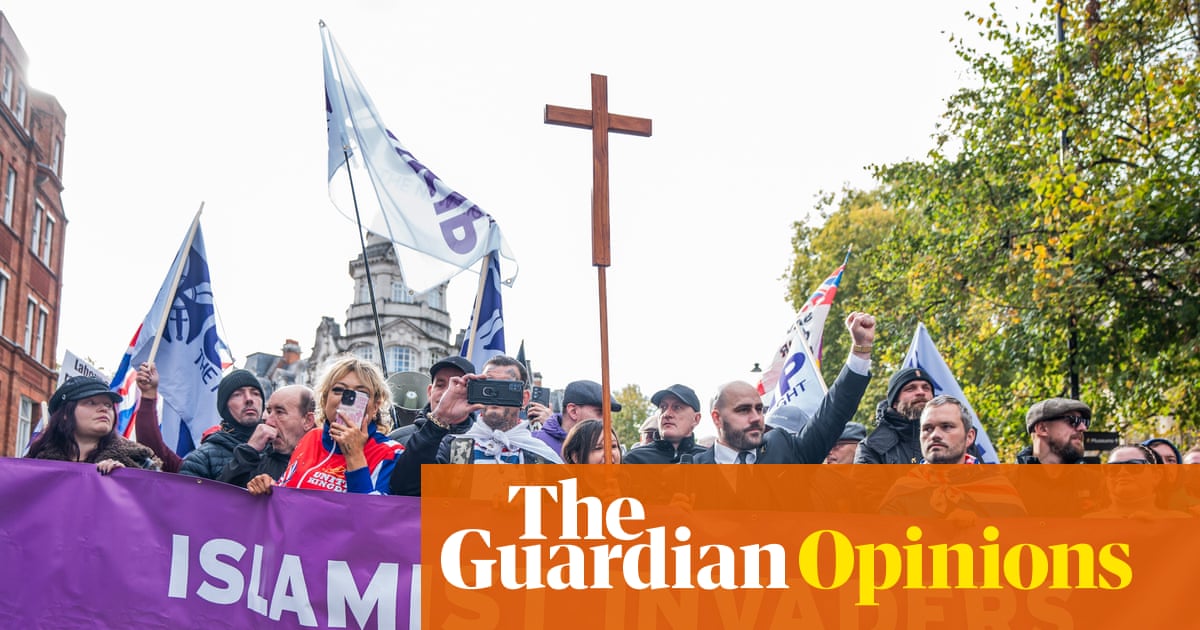
Photo: theguardian.com
2026-05-25 09:04 Opinion 11 


Islamophobia and the normalisation of anti-Muslim prejudice in politics and media
The article argues that Islamophobia has become increasingly normalised across politics, media and public discourse worldwide, often operating subtly rather than through explicit hatred.
Using coverage of a recent terrorist attack on an Islamic centre in San Diego as an example, the author contends that media language frequently softens descriptions of violence against Muslims, shaping public perception and diminishing the urgency of anti-Muslim hatred.
The piece examines how anti-Muslim sentiment has expanded in different political contexts, including the United States under Donald Trump, Europe through far-right political parties, India under Narendra Modi and China’s treatment of Uyghur Muslims.
According to the author, Muslims are increasingly framed as security threats or cultural problems rather than communities deserving equal protection and inclusion.
The article also explores the role of selective media framing, arguing that antisemitism and Islamophobia are often treated differently in public debate.
While acknowledging that both forms of prejudice are real and dangerous, the author claims that unequal coverage and selective outrage distort public understanding and ultimately increase tensions affecting both Jewish and Muslim communities.
Drawing on thinkers such as Frantz Fanon, CLR James, Edward Said and Arun Kundnani, the article presents Islamophobia as a structural issue embedded within governance, economics and international relations.It argues that anti-Muslim prejudice is sustained through narratives linking Muslims to terrorism, migration fears and failed integration.The author concludes that Islamophobia undermines social cohesion, economic opportunity and international cooperation.
The piece calls for a broader recognition of anti-Muslim prejudice as a systemic issue rather than isolated acts of discrimination, warning that societies cannot genuinely pursue equality and inclusion while treating some forms of racism as more acceptable than others.
Full reading at theguardian.com
2208
Original title: The real danger of Islamophobia? It rarely announces itself as hatred yet shapes how millions think
The AI system has determined that this news is not clickbait/sensationalist: : The original title reflects the core argument of the article and is analytical rather than sensationalist. Although phrased as a question to attract attention, it accurately represents the content and does not exaggerate or mislead readers. This has coincided with the opinion of the majority of users.
You may also be interested in...
Falling birthrates, ageing populations and the political debate over immigration as a demographic solution
 Calls for greater transparency over Donald Trump’s health and fitness for office
 Tony Blair criticised for outdated geopolitical and technological views in new policy essay