
 Chadema Faces Renewed Internal Dispute Following Return of Controversial Member
KillBait - News highlights delivered clearly and responsibly—no clickbait, no sensationalism
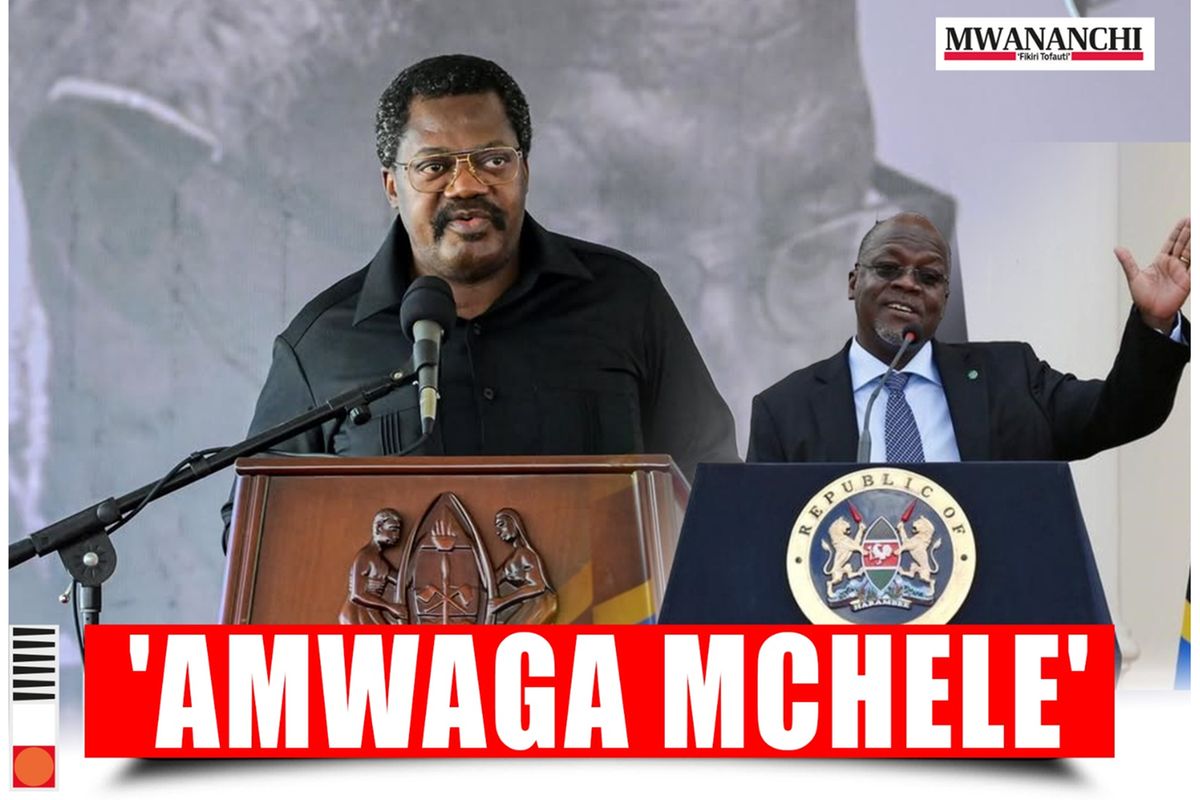
Photo: Tanzania Insight
2026-05-30 19:47 Politics 10 


Joseph Nchimbi Shares Insider Accounts of the 2015 Magufuli Election Period
Former Tanzanian government official Joseph Nchimbi has spoken out about internal political happenings surrounding the 2015 general elections that brought the late President John Pombe Magufuli into power.
His revelations provide new insight into the behind-the-scenes dynamics within the ruling Chama Cha Mapinduzi (CCM) party during a key turning point in Tanzania’s modern political history.
According to the account, the 2015 election period was highly significant as Magufuli emerged as CCM’s presidential candidate and went on to win the national vote.
His campaign focused strongly on anti-corruption efforts, economic discipline, and infrastructure development, which resonated widely with many citizens at the time.
Nchimbi’s comments suggest that there were complex political calculations and strategic decisions taking place within the party structure during this transition period, which helped shape the direction of Magufuli’s leadership style.
The article highlights how Magufuli’s presidency later became known for strict governance measures, including cost-cutting in government operations, reduced public expenditure on official ceremonies, and a strong focus on infrastructure projects such as roads and railways.His administration also earned a reputation for aggressive anti-corruption campaigns, which contributed to his popular nickname “The Bulldozer.
” Nchimbi’s disclosures are viewed as important because they come from someone who had proximity to political decision-making structures during that period.
Such insider perspectives help deepen public understanding of how leadership decisions were influenced and how policy directions were formed at the beginning of Magufuli’s administration.The revelations also come at a time when Tanzania is under President Samia Suluhu Hassan, who succeeded Magufuli after his death in 2021.Her administration has adjusted several policies, especially in areas such as international relations and COVID-19 response strategies.
The discussion sparked by Nchimbi’s statements reflects ongoing public interest in understanding Tanzania’s recent political history and leadership transitions.Overall, the story contributes to broader debates about governance, political continuity, and institutional decision-making in the country.
Full reading at Tanzania Insight
2187
Original title: Nchimbi Reveals Secrets About Magufuli From 2015
The AI system has determined that this news is not clickbait/sensationalist: : The title is descriptive and directly states the subject of the article without exaggerated language or sensational claims. It accurately reflects the content about Nchimbi’s revelations regarding Magufuli’s 2015 political period. This has coincided with the opinion of the majority of users.
You may also be interested in...
Chadema Faces Renewed Internal Dispute Following Return of Controversial Member
 Tanzania Ministry and MPs Debate Comprehensive Reforms to Address Ongoing Land Disputes
 Educator discloses long-standing ties with President Samia Suluhu Hassan