
 How antibiotics affect your gut microbiome and why probiotics may not be the solution
KillBait - News highlights delivered clearly and responsibly—no clickbait, no sensationalism
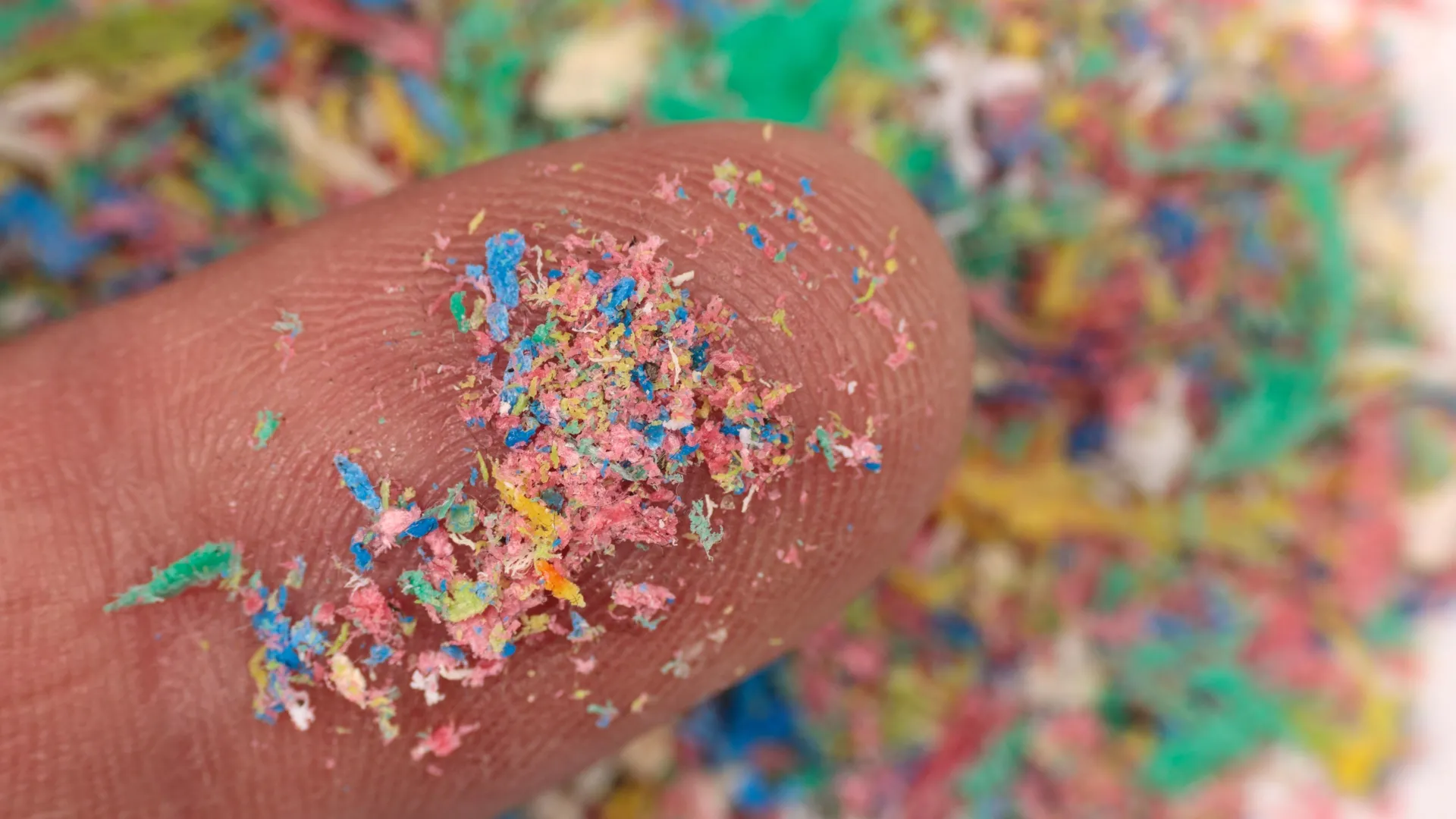
Photo: ScienceDaily
2026-05-18 23:04 Health 13 


Kimchi-Derived Probiotic Shows Potential to Reduce Nanoplastic Accumulation in the Body
Researchers in South Korea have identified a strain of probiotic bacteria from kimchi, Leuconostoc mesenteroides CBA3656, that may help the body remove harmful nanoplastics.
Nanoplastics, particles smaller than one micrometer, can enter the human body through food and water, potentially accumulating in organs such as the kidneys and brain.
Laboratory tests showed that this kimchi-derived bacterium strongly binds to polystyrene nanoplastics, maintaining a 57% adsorption rate under conditions mimicking the human intestine, whereas a reference strain dropped to just 3%.
Experiments in germ-free mice revealed that those receiving the probiotic excreted more than double the amount of nanoplastics compared to untreated mice.These results suggest that certain microbes in fermented foods may offer a biological method to mitigate the health risks posed by plastic pollution.
The study, published in Bioresource Technology, highlights the potential of traditional fermented foods not only in supporting digestion but also in interacting with environmental pollutants to benefit public health.
2241
Original title: This popular fermented food may help flush microplastics from the body
The AI system has determined that this news is clickbait/sensationalist: : The original title emphasizes 'popular fermented food' and 'flush microplastics,' which is sensationalized and implies guaranteed health benefits, whereas the study shows potential effects under experimental conditions. This has coincided with the opinion of the majority of users.
You may also be interested in...
How antibiotics affect your gut microbiome and why probiotics may not be the solution
 Uganda Confirms Two Additional Ebola Cases Linked to Congo Outbreak
 Study finds beetroot juice may reduce blood pressure in older adults after two weeks