
 South Africa's Ramaphosa Extends Condolences to Qatar Following Former Leader's Passing
KillBait - News highlights delivered clearly and responsibly—no clickbait, no sensationalism
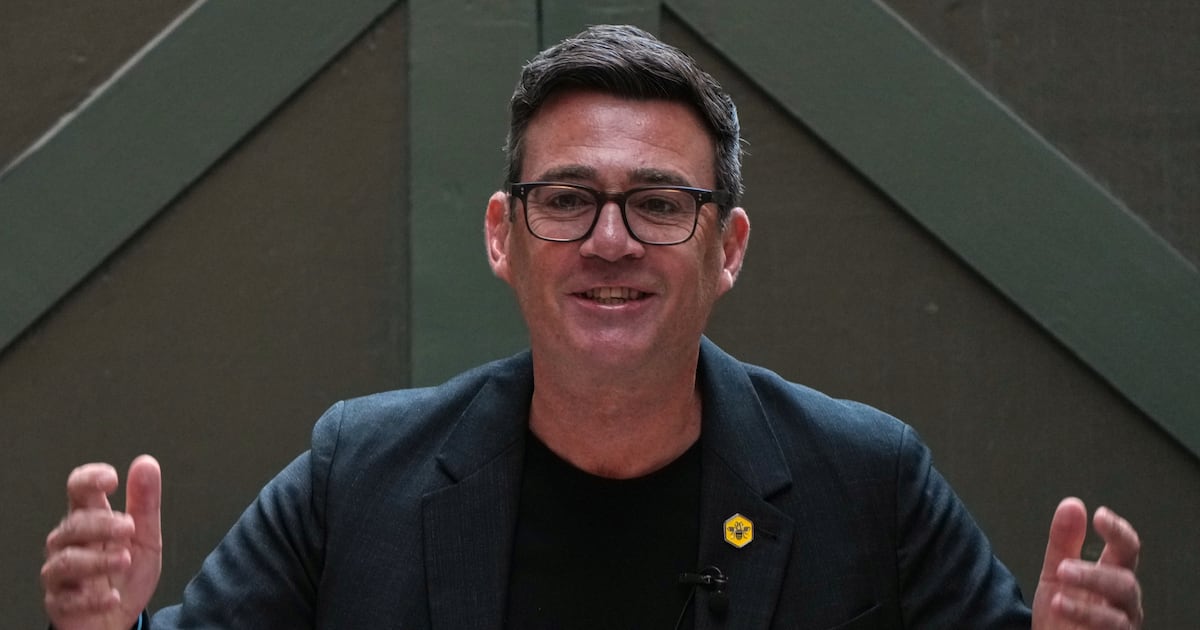
Photo: Sowetan
2026-07-18 10:10 Politics 10


Labour Party Selects Andy Burnham as New Leader Following Leadership Contest
Veteran Labour Party politician Andy Burnham has been chosen as the new leader of the UK's governing party, becoming Britain's next prime minister without a general election.
Burnham secured the necessary support from Labour MPs after Keir Starmer resigned following a series of political missteps, including the controversial appointment of a US ambassador linked to the late Jeffrey Epstein.Labour's majority in parliament allowed Burnham to assume the role automatically, with the official handover expected on Monday.Starmer remains caretaker PM until then.The leadership change highlights the UK's parliamentary system, where party leaders can replace prime ministers without national elections.
Burnham's appointment marks the seventh prime minister in a decade, reflecting the turbulent political landscape shaped by Brexit's aftermath.The transition follows a special party conference where Burnham was confirmed as leader, with the formal swearing-in at Buckingham Palace.This process underscores the established ritual of power transfer in British politics, where internal party dynamics often drive leadership changes.
2187
Original title: Why Britain is getting a new prime minister without a general election
The AI system has determined that this news is clickbait/sensationalist: : The original title uses 'without a general election' to create sensationalism, implying unexpected political drama, which is a common clickbait tactic. This has coincided with the opinion of the majority of users.
You may also be interested in...
South Africa's Ramaphosa Extends Condolences to Qatar Following Former Leader's Passing
 Disputed Cosmo City Property Dispute Involves Zimbabwean Woman and ActionSA Raid
 Cape Town proposal for a Metro Police Detective Branch raises legal and policing jurisdiction concerns