
 14 Countries Join Philippines in Urging China to Respect 2016 South China Sea Arbitral Award
KillBait - News highlights delivered clearly and responsibly—no clickbait, no sensationalism

Photo: Inquirer.net
2026-07-12 21:07 Geopolitics 10


Legacy of the 2016 Arbitral Ruling: International Law and South China Sea Disputes
The article discusses the enduring impact of the 2016 arbitral ruling that invalidated China's expansive maritime claims in the South China Sea.Despite China's rejection of the ruling, international legal frameworks and geopolitical dynamics have shifted toward recognizing the tribunal's findings.
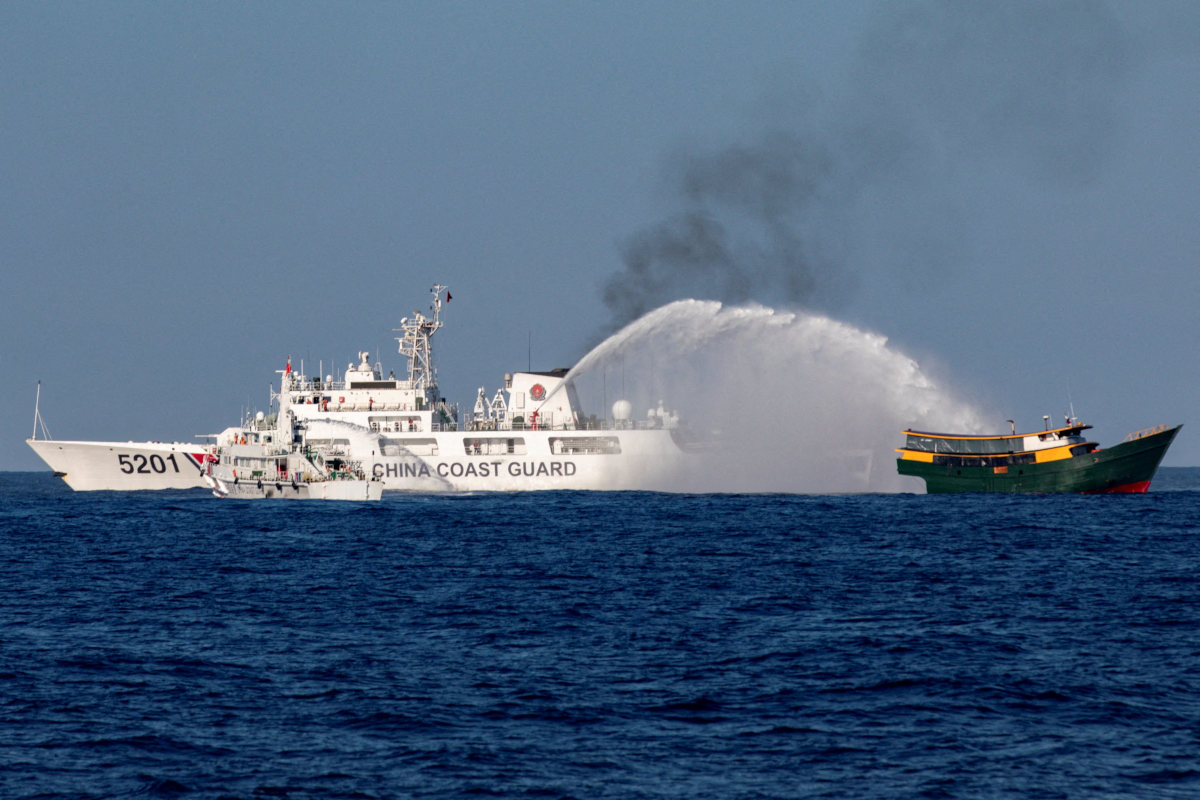
A 2024 incident involving Philippine vessels in the disputed waters highlighted the ongoing tensions, while experts emphasize the ruling's role in shaping global perceptions of sovereignty and international law.
The piece underscores how the Philippines' transparent documentation of incidents, coupled with the legal precedent set by the ruling, has amplified pressure on China to comply with international norms.It also notes the growing alignment of nations like the U.S.
, Japan, and Australia in supporting the tribunal's conclusions, framing the dispute as a test of global legal order rather than mere territorial conflict.
The article concludes by highlighting the Philippines' strategic use of legal and diplomatic tools to assert its claims, positioning the 2016 ruling as a cornerstone of its maritime policy.
2186
Original title: PH arbitral win’s legacy: World’s eyes on China
The AI system has determined that this news is clickbait/sensationalist: : The original title uses dramatic language ('world’s eyes on China') to sensationalize the narrative, implying global attention that may not fully reflect the nuanced legal and geopolitical context of the dispute. This has coincided with the opinion of the majority of users.
You may also be interested in...
14 Countries Join Philippines in Urging China to Respect 2016 South China Sea Arbitral Award
 Philippines and Allies Reaffirm Arbitral Ruling Against China's South China Sea Claims
 Philippines Reflects on 10 Years of the 2016 Arbitral Award and Future Actions