
 Chadema Faces Renewed Internal Dispute Following Return of Controversial Member
KillBait - News highlights delivered clearly and responsibly—no clickbait, no sensationalism
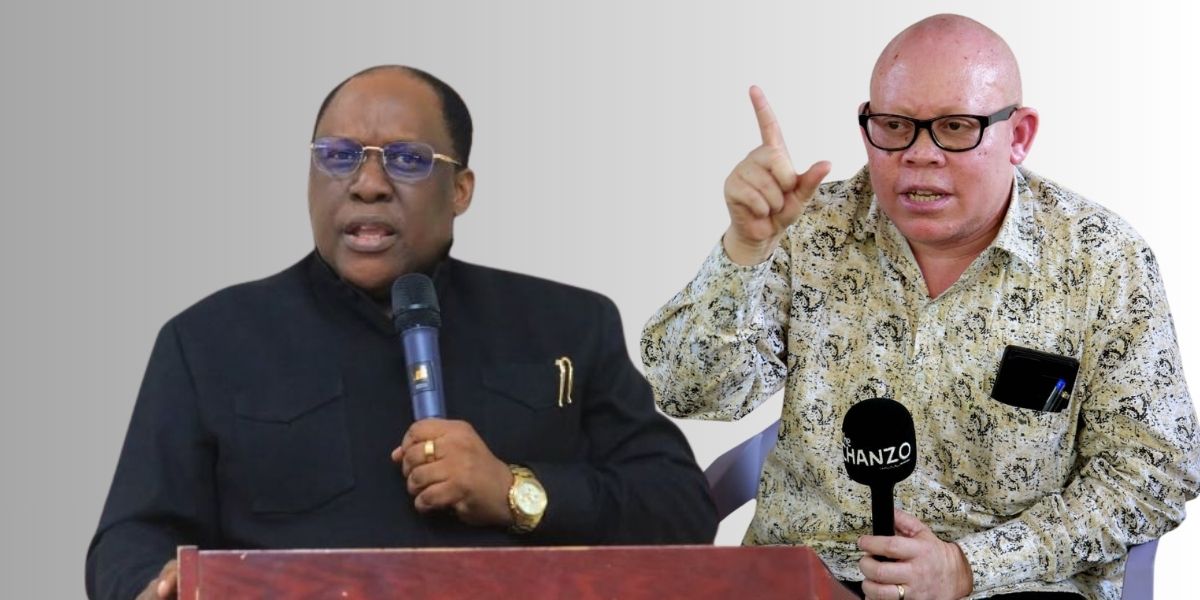
Photo: The Chanzo Inititative
2026-05-24 21:32 Politics 15 


Legal analysis questions Registrar of Political Parties’ warning against CHADEMA and limits of deregistration powers
This opinion piece examines a recent letter from the Registrar of Political Parties in Tanzania issued to CHADEMA, which gave the opposition party 14 days to explain alleged misconduct, including accusations of inciting demonstrations, using insulting language, and allegedly promoting inflammatory political speech.The Registrar suggested possible sanctions such as suspension of registration, fines, or other legal measures.
The author, a legal expert, critically analyses the legal basis of the Registrar’s actions by examining multiple sections of the Political Parties Act.
The article argues that several provisions cited by the Registrar, including Sections 7 and 19(2), were misapplied, as they primarily relate to provisional registration or administrative oversight rather than disciplinary action against fully registered political parties like CHADEMA.
It further contends that Section 45, which deals with penalties, places limits on the Registrar’s authority, especially regarding fines and criminal penalties, which should be determined by courts or regulatory tribunals rather than the Registrar directly.
Additionally, the author outlines the lawful grounds under which a political party can be deregistered, such as failure to hold internal elections, failure to submit financial declarations, or submission of false declarations under Sections 29 and 30.The opinion stresses that the allegations cited in the Registrar’s letter do not clearly fall within these legal thresholds.
It also highlights procedural safeguards under Section 39, including the right to be heard and formal notification requirements before any suspension or deregistration can occur.
The article concludes by advising state authorities to use proper institutional mechanisms such as the Baraza la Vyama vya Siasa for dispute resolution, and encourages restraint from security organs when dealing with political speech, emphasizing legal due process and constitutional protections for political activity.
Full reading at The Chanzo Inititative
2272
Original title: Sakata la Msajili na Tishio la Kuifungia CHADEMA: Ni Msajili Wa Vyama au Mdhibiti?
The AI system has determined that this news is clickbait/sensationalist: : The original title uses strong and emotionally charged wording such as 'sakata' (controversy) and 'tishio la kuifungia' (threat to ban), which may amplify perceived conflict and urgency. While the content is an analytical legal opinion, the title leans toward sensational framing rather than a neutral description. This has coincided with the opinion of the majority of users.
You may also be interested in...
Chadema Faces Renewed Internal Dispute Following Return of Controversial Member
 High Court Grants Temporary Protection to CHADEMA Against Registrar Actions
 Opposition Politician Shares Personal Impact of Family Estrangement Linked to Chadema Membership