
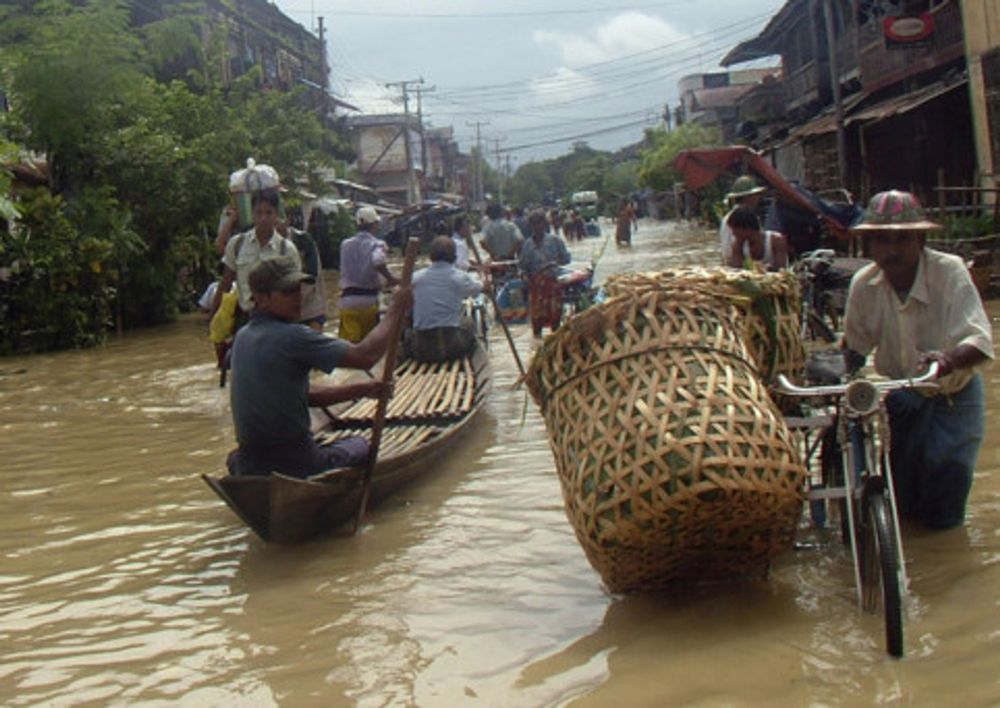
 India disputes Pakistan's water scarcity claims, citing treaty data and domestic mismanagement
KillBait - News highlights delivered clearly and responsibly—no clickbait, no sensationalism
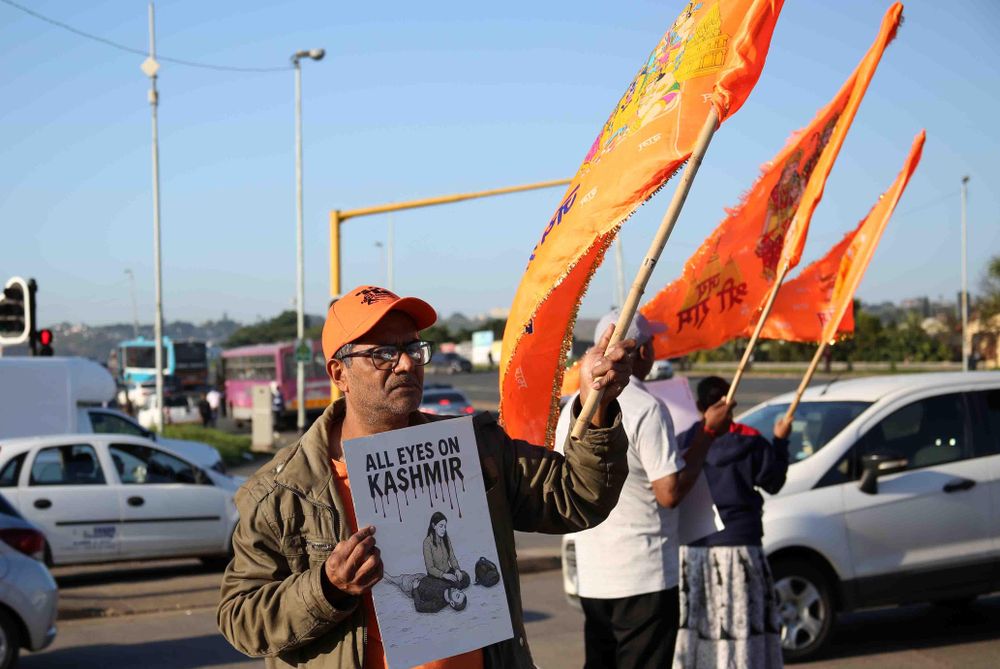
Photo: IOL
2026-07-06 23:44 Geopolitics 10


Legal Challenges Threaten Resilience of Indus Waters Treaty
The Indus Waters Treaty of 1960, a cornerstone of water-sharing between India and Pakistan, faces renewed scrutiny over its dispute resolution mechanisms.Legal experts warn that unilateral actions by either country could undermine the treaty's effectiveness.The agreement, which divides the Indus river system into three eastern and western rivers, has endured wars and political crises for 64 years.However, recent tensions highlight procedural vulnerabilities, particularly regarding how disputes are escalated.
The treaty’s dispute ladder—starting with a 'question' before the Permanent Indus Commission, progressing to a 'difference' resolved by a Neutral Expert, and culminating in arbitration if negotiations fail—requires mutual agreement at each stage.Critics argue that bypassing these steps could constitute a material breach, risking the treaty's collapse.The analysis links Pakistan’s cross-border terrorism to its failure to uphold obligations, suggesting India may legally suspend the treaty.As water stress intensifies in South Asia, the treaty’s emphasis on bilateral cooperation remains critical but increasingly contested.
2186
Original title: Indus Waters Treaty: A Legal Framework Under Strain
The AI system has determined that this news is not clickbait/sensationalist: : The original title presents the treaty's current legal challenges without sensationalism, focusing on its structural vulnerabilities rather than exaggerated claims. This has coincided with the opinion of the majority of users.
You may also be interested in...
India disputes Pakistan's water scarcity claims, citing treaty data and domestic mismanagement
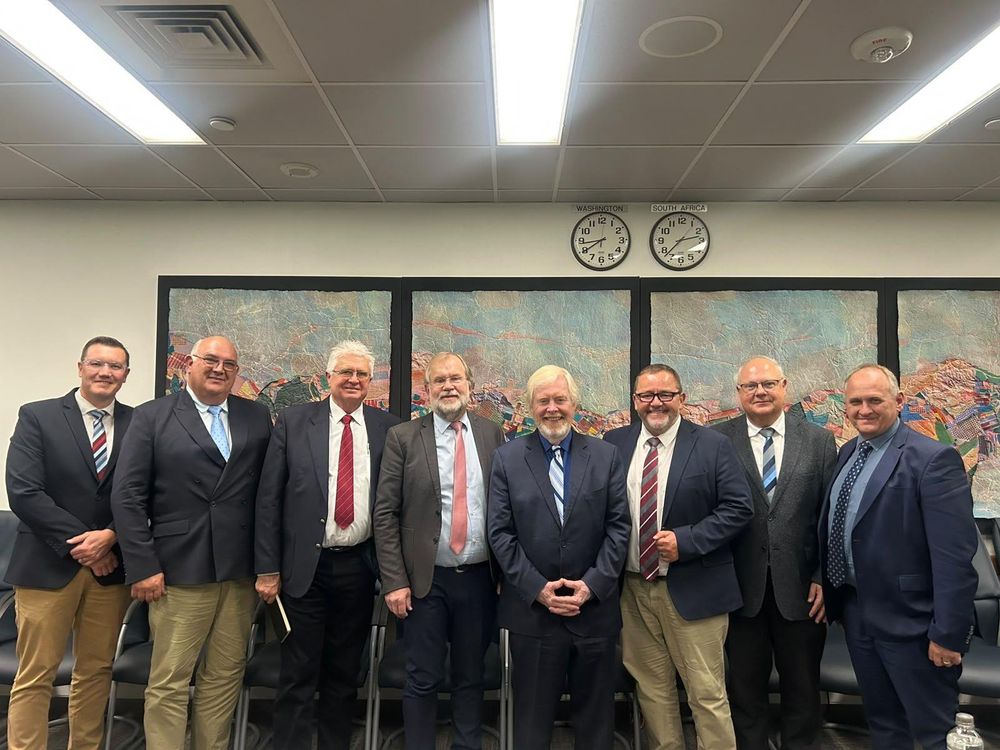 US Ambassador Meets Afrikaner Leaders as Tensions Rise Between US and South Africa
 Teen Denied Legal Abortion Due to Religious Objections Seeks Unsafe Procedure in Limpopo