
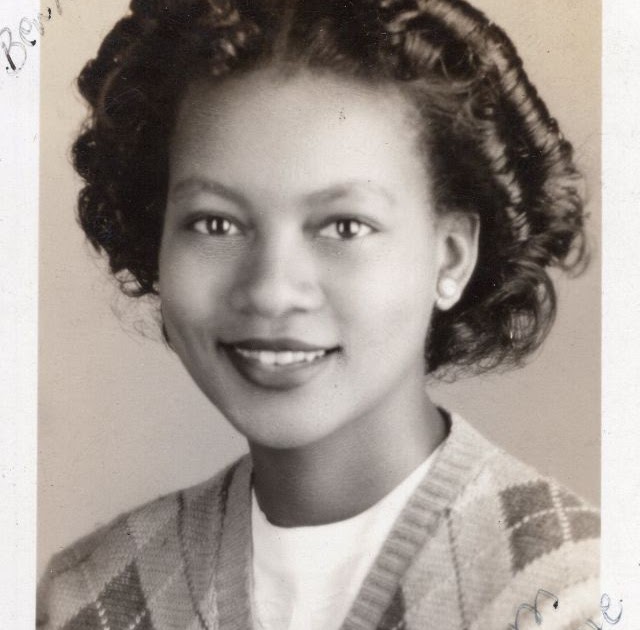
 1946 High School Portrait Collection Offers a Glimpse Into Postwar Student Life in St. Louis
KillBait - News highlights delivered clearly and responsibly—no clickbait, no sensationalism
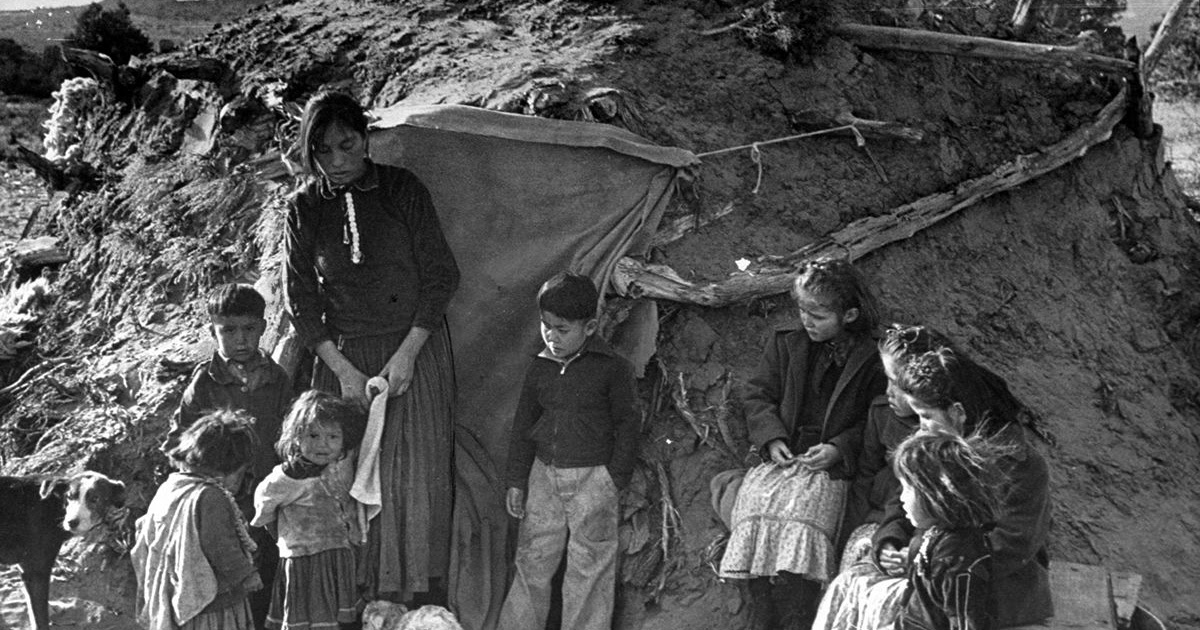
Photo: vintag.es
2026-05-29 20:16 History 32 


Leonard McCombe’s 1948 LIFE Photo Essay Documents Navajo Daily Life and Hardships
In 1948, LIFE magazine photographer Leonard McCombe produced a powerful photo essay documenting the daily lives of the Diné (Navajo) people during a period of extreme hardship in the late 1940s.
His work was created over several weeks spent on the Navajo reservation, where families were facing the combined effects of a devastating winter blizzard, severe economic disruption caused by federal livestock reduction policies, and widespread shortages of food and infrastructure.These conditions had led to poverty, illness, and growing instability within many communities.McCombe’s approach to photojournalism emphasized intimacy and human dignity rather than distant observation.He often photographed Navajo families inside traditional hogans, using natural light from doorways or smoke holes to illuminate everyday scenes.
His images captured multigenerational life, including elders sharing traditional knowledge with grandchildren, mothers managing household tasks, and children adapting to both traditional and school environments.
The essay also depicted moments of education, such as classroom instruction, religious teaching, and children learning and playing games introduced through schooling.
Other scenes included daily chores like bread baking over open fires, sheep herding on high plateaus, trading at reservation stores, and communal family life at sunset.Despite the harsh conditions, McCombe’s photographs highlighted resilience, cultural continuity, and strong family bonds.When published by LIFE magazine in July 1948, the photo essay drew widespread attention in the United States.It helped raise public awareness of the crisis on the reservation and contributed to humanitarian responses, including donations and food drives.The imagery also added political pressure that later supported federal reforms such as the Navajo-Hopi Rehabilitation Act of 1950.
Today, McCombe’s work remains an important historical record of both struggle and cultural endurance within Navajo communities during the mid-20th century.
2427
Original title: Amazing Photographs Captured Everyday Life of Navajo People in 1948
The AI system has determined that this news is not clickbait/sensationalist: : The original title is descriptive and informational, accurately reflecting the subject of historical photographs without sensational language or exaggerated claims. This has coincided with the opinion of the majority of users.
You may also be interested in...
1946 High School Portrait Collection Offers a Glimpse Into Postwar Student Life in St. Louis
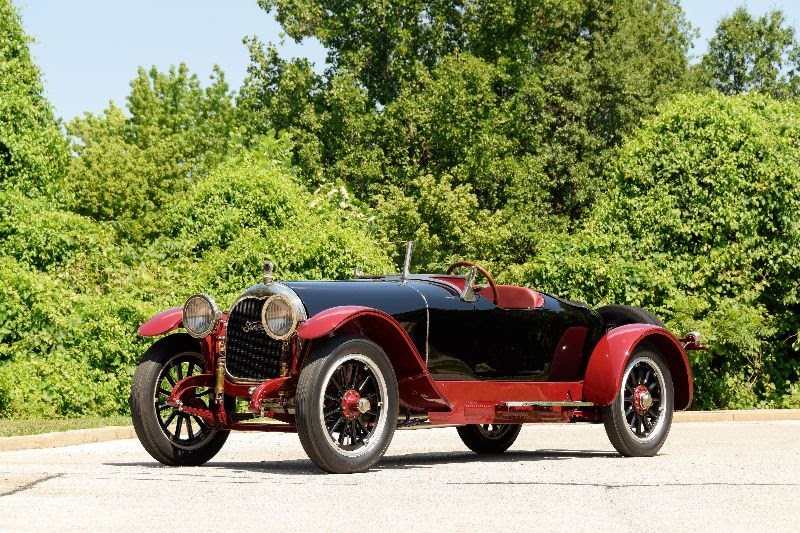 The 1915 Simplex Crane Model 5 Tourer and Its Role as a Premier American Luxury Automobile
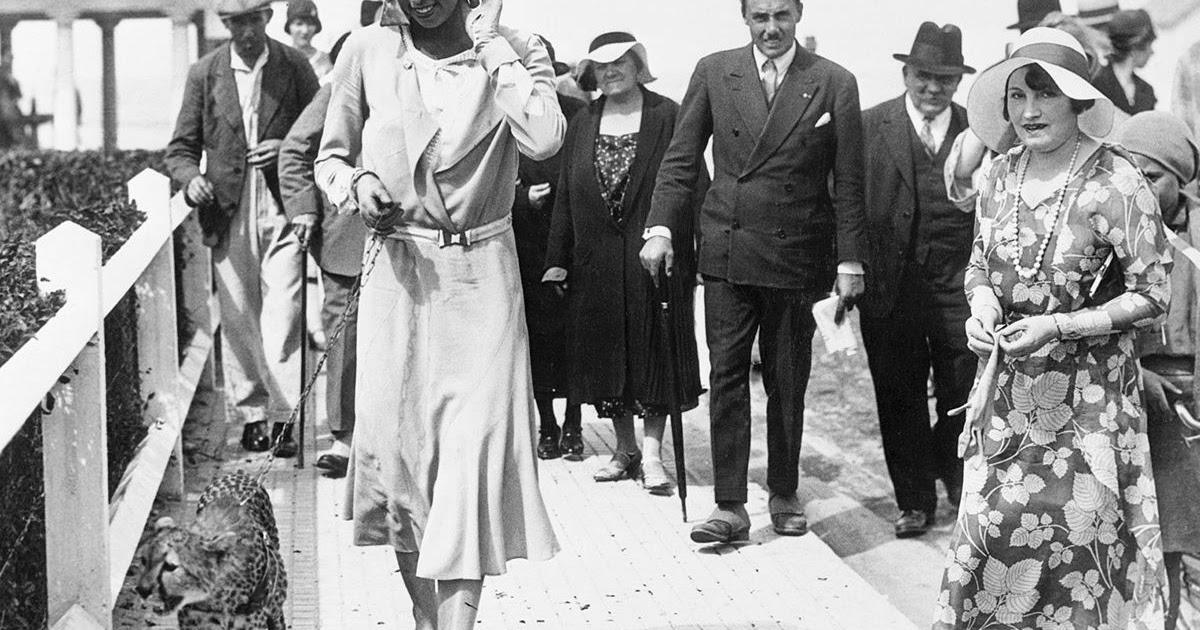 Josephine Baker and Chiquita: The Famous Cheetah That Became Part of Her Public Persona