
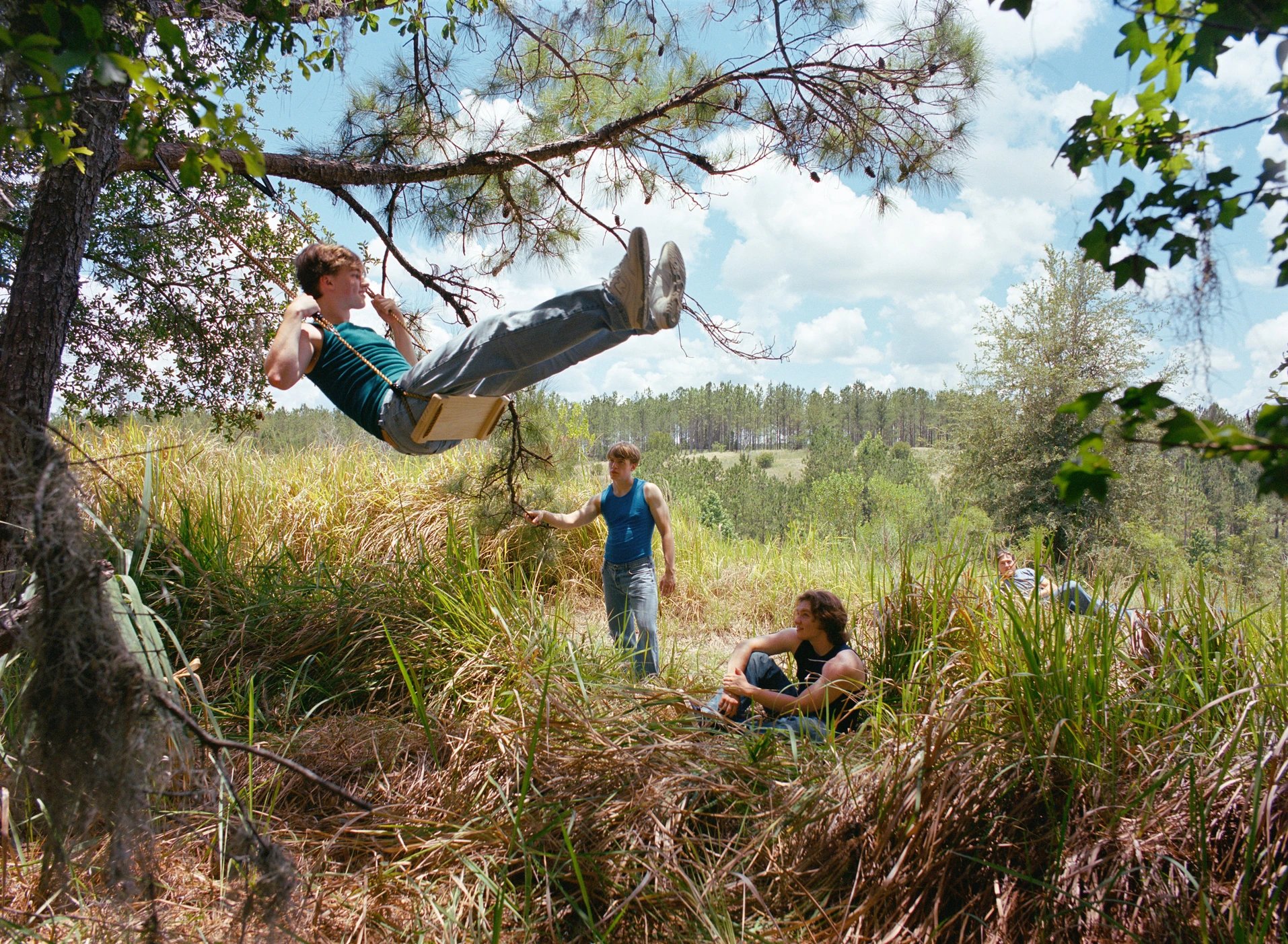
 LensCulture Highlights Photography Projects Exploring LGBTQ+ Identity for Pride Month
KillBait - News highlights delivered clearly and responsibly—no clickbait, no sensationalism
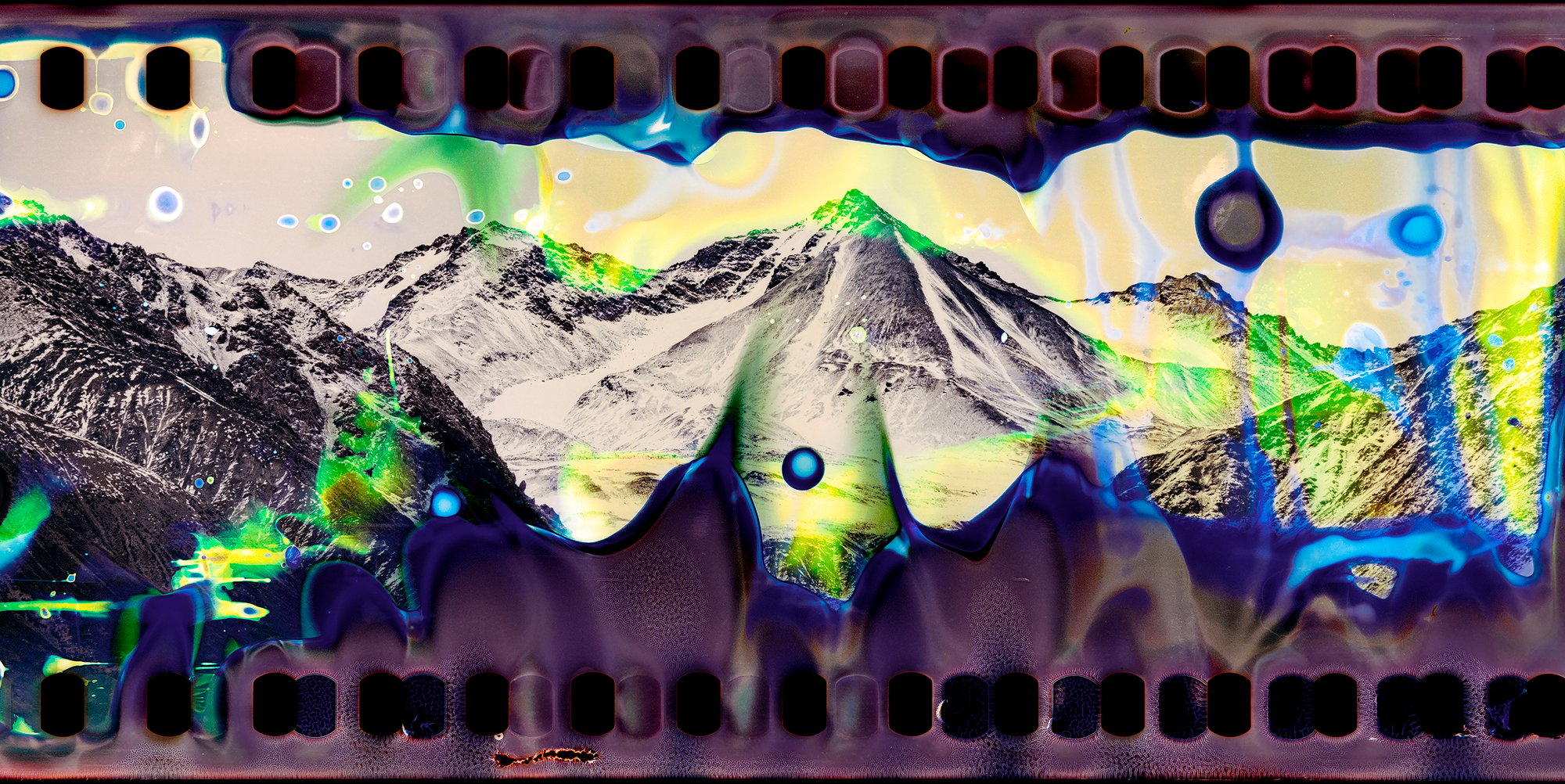
Photo: LensCulture
2026-07-02 10:26 Culture 10 


Les Rencontres d’Arles 2026 Preview: Photography Reflects on Two Centuries of Image-Making
The Les Rencontres d’Arles 2026 photography festival transforms the southern French city of Arles into a wide-ranging exploration of the power, limits, and evolving identity of the photographic image.
As photography approaches its bicentenary—often traced back to Nicéphore Niépce’s early image from around 1826–1827—the festival uses this milestone to ask a central question: after nearly 200 years, what can photography still do?Across its exhibitions, Arles presents photography as both a historical archive and a living, experimental language.One major highlight is “Ghana!
Dreaming Independence 1957–1976,” which examines how a newly independent nation constructed its identity through portraits, publications, textiles, and staged imagery, featuring artists such as Felicia Abban and James Barnor.
Other works like Paul Kodjo’s documentation of Abidjan and Sammy Baloji’s reflections on colonial legacies in Katanga expand the theme of independence and its complex visual memory.
The festival’s “Forms of Life” section emphasizes material experimentation, including Meghann Riepenhoff’s cameraless cyanotypes made with water and environmental forces, and Lisa Oppenheim’s reinterpretation of Edward Steichen’s work through dye-transfer and AI processes.
Meanwhile, exhibitions such as “We Are Not Alone: Alien Images” and Clément Cogitore’s works explore visual uncertainty, UFO imagery, collective memory, and artificial intelligence, questioning the reliability of images in an era of digital manipulation.
Historical revisits also play a key role, with tributes to photographers like William Klein, Ming Smith, Harry Gruyaert, and Martine Barrat, reinforcing photography’s expressive and political range.
Emerging artists featured in the Discovery Award section further highlight hybrid practices where truth is constructed through performance, archives, and experimentation.
Overall, Arles 2026 positions photography as a restless medium—still capable of reinvention, but increasingly shaped by questions of memory, technology, identity, and belief.The festival runs from July 6 to October 4, with opening week events from July 6 to 12.
2186
Original title: Photography, Still Restless: Les Rencontres d’Arles Festival 2026 Preview
The AI system has determined that this news is not clickbait/sensationalist: : The original title is descriptive and informational, clearly indicating the subject (a preview of the Les Rencontres d’Arles 2026 festival) without sensationalism or misleading language. This has coincided with the opinion of the majority of users.
You may also be interested in...
LensCulture Highlights Photography Projects Exploring LGBTQ+ Identity for Pride Month
 Olivia de Havilland’s Career Transformation and Life in the 1950s
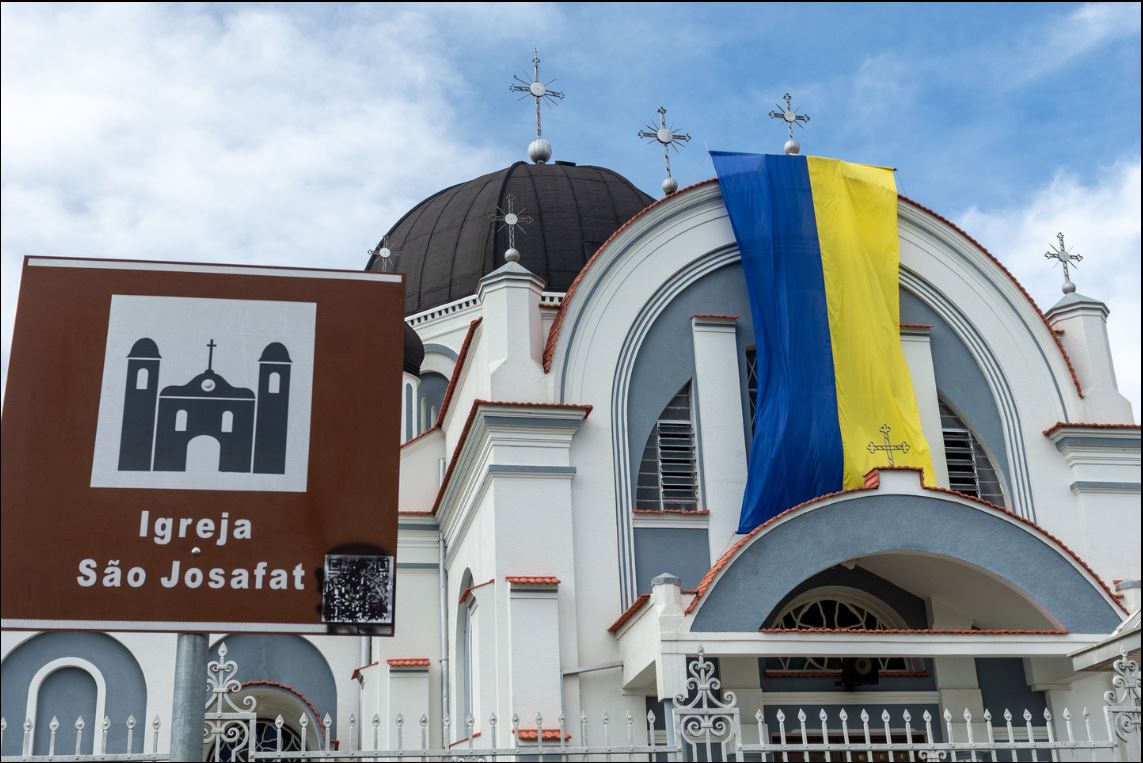 Prudentópolis, Brazil: A Ukrainian Diaspora Community Preserving Its Heritage