
 Alberta Premier Danielle Smith proposes discussion on constitutional amendments affecting Indigenous treaty rights
KillBait - News highlights delivered clearly and responsibly—no clickbait, no sensationalism
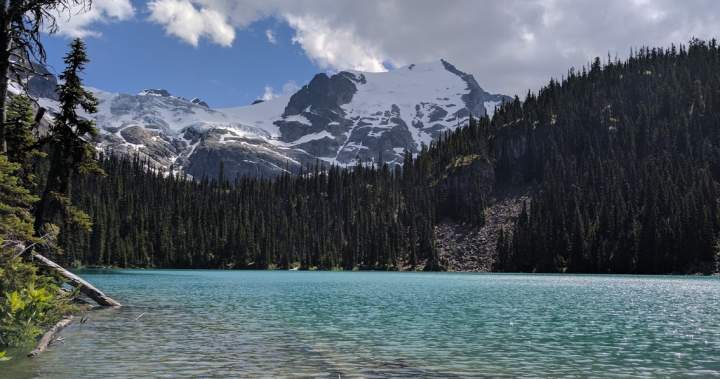
Photo: Global News
2026-05-30 02:06 Politics 10 


Líl̓wat First Nation challenges B.C. decision to reduce Joffre Lakes park closure days
The Líl̓wat First Nation is raising concerns about a decision by the British Columbia government to significantly reduce planned closure dates at Joffre Lakes Park, a popular recreational destination.The Nation had originally identified 75 days between spring and summer during which the park would be closed to visitors.These closures were intended to allow community members to carry out traditional cultural and land-based activities without disruption.
However, in May 2026, the provincial government announced that the park would instead only be closed for 31 days, specifically during June and September.
This change has caused frustration among the Líl̓wat leadership, who say the revised schedule was introduced without proper consultation or meaningful engagement with their community.B.C.
’s Minister of Environment and Parks, Tamara Davidson, stated that the government has been attempting to maintain communication with the First Nation since February and remains open to further dialogue.
She emphasized that the closure dates for 2026 have already been finalized and communicated to the public, but indicated that discussions could continue moving forward.The Líl̓wat First Nation disputes this account, asserting that the province made its decision unilaterally.The Nation has formally requested a response from the government by June 2, signalling urgency in addressing the disagreement.
The issue highlights ongoing tensions around Indigenous land rights, co-management of protected areas, and the balance between tourism and traditional land use.
Joffre Lakes Park has been at the centre of similar disputes in recent years, reflecting broader challenges in reconciling public access with Indigenous stewardship and cultural practices.
2187
Original title: B.C. First Nation upset over shortened park closure dates
The AI system has determined that this news is not clickbait/sensationalist: : The title is straightforward and accurately reflects the core issue without exaggeration or sensational wording. This has coincided with the opinion of the majority of users.
You may also be interested in...
Alberta Premier Danielle Smith proposes discussion on constitutional amendments affecting Indigenous treaty rights
 Manitoba passes bill eliminating sales tax on certain foods starting July 1
 Canada's Diplomatic Tone on Israel-Palestine Faces Criticism for Imbalance