
 Escalation of Conflict Between Israel and Hezbollah Hits Beirut and Northern Israel
KillBait - News highlights delivered clearly and responsibly—no clickbait, no sensationalism
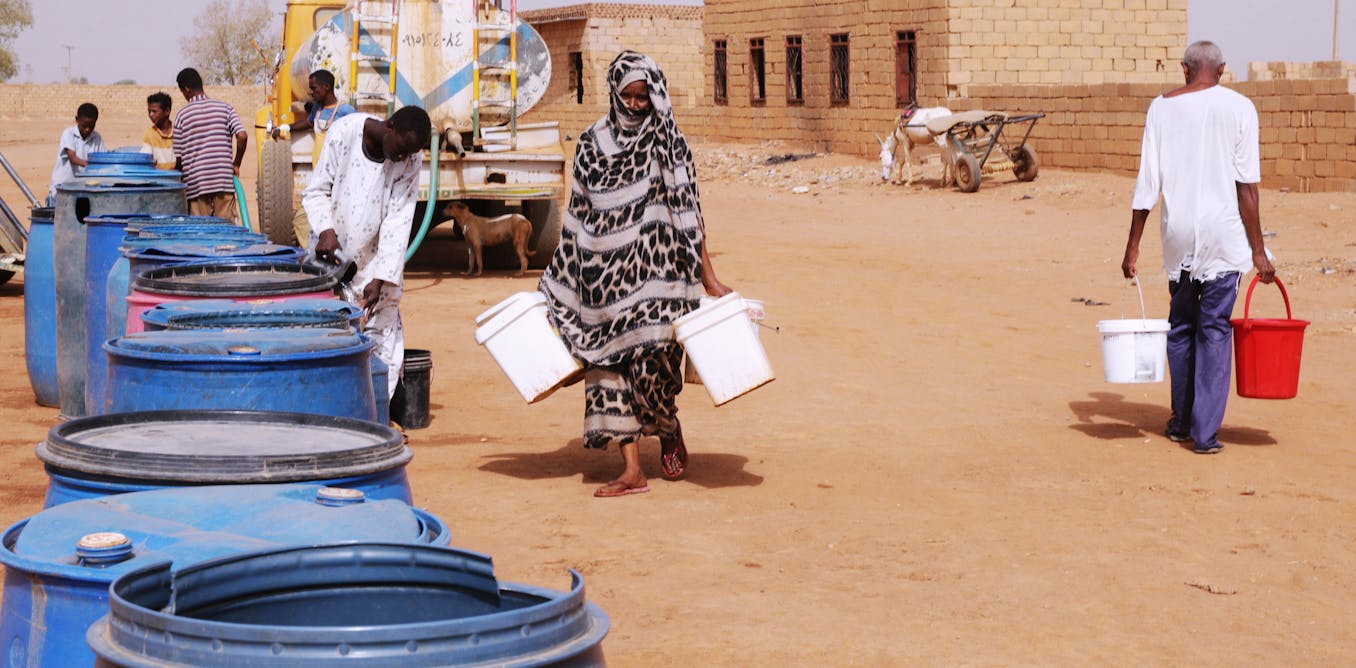
Photo: The Conversation
2026-06-01 07:19 Conflict 11 


Local Sudanese responders warn of neglect amid ongoing civil war and unequal global humanitarian attention
Sudan’s civil war, which began in 2021 following a power struggle between the Sudanese Armed Forces (SAF) led by Abdel Fattah al-Burhan and the Rapid Support Forces (RSF) led by Mohamed Hamdan Dagalo, has entered its third year and is widely described as one of the world’s most severe but overlooked humanitarian crises.
The conflict has reportedly caused over 150,000 deaths, displaced more than 15 million people, and left around 19 million facing acute food insecurity.
Amid this crisis, local volunteers have formed Emergency Response Rooms across Sudan, providing essential grassroots humanitarian support in extremely dangerous conditions.These community-led networks draw on the cultural tradition of nafeer, a concept centred on collective responsibility and mutual aid.
Many of these responders are unpaid volunteers, with only a minority receiving any salary, yet they continue delivering life-saving assistance in active conflict zones.However, the article highlights that these local responders are not formally recognised as humanitarian workers by the international aid system.As a result, they lack legal protections under frameworks such as the Geneva Conventions, leaving them more vulnerable to violence and targeting.
Responders also report that international donors, including governments and UN agencies, often prioritise bureaucratic risk management over urgent local needs.Funding processes are described as slow, inflexible, and difficult to navigate, delaying critical assistance.The article further notes a decline in the number of organisations receiving international funding for Sudan, despite the worsening situation.Local leaders argue that global attention and resources are unevenly distributed across crises, leading to unequal humanitarian outcomes.
Although Emergency Response Rooms have received international recognition and awards, including Nobel Peace Prize nominations, they continue to struggle for sustainable funding and institutional recognition.
Responders are calling for stronger protection, fair compensation, more flexible funding arrangements, direct support for local organisations, and long-term investment in rebuilding Sudan beyond immediate emergency relief.
Full reading at The Conversation
2209
Original title: 'Some people’s lives matter more than others': local responders in Sudan feel ignored as the world focuses on other crises
The AI system has determined that this news is not clickbait/sensationalist: : The original title is long and descriptive rather than sensational or misleading. It reflects the article’s focus on Sudan’s humanitarian crisis and the perception of unequal global attention, without using exaggerated or deceptive framing typical of clickbait. This has coincided with the opinion of the majority of users.
You may also be interested in...
Escalation of Conflict Between Israel and Hezbollah Hits Beirut and Northern Israel
 Fugitive wanted over 1999 Sydney nightclub stabbing arrested in Greece after 27 years
 Diphtheria Outbreak Affecting Remote Indigenous Communities in Australia