
 Christian Yoka's efforts to stabilize Congo's finances
KillBait - News highlights delivered clearly and responsibly—no clickbait, no sensationalism
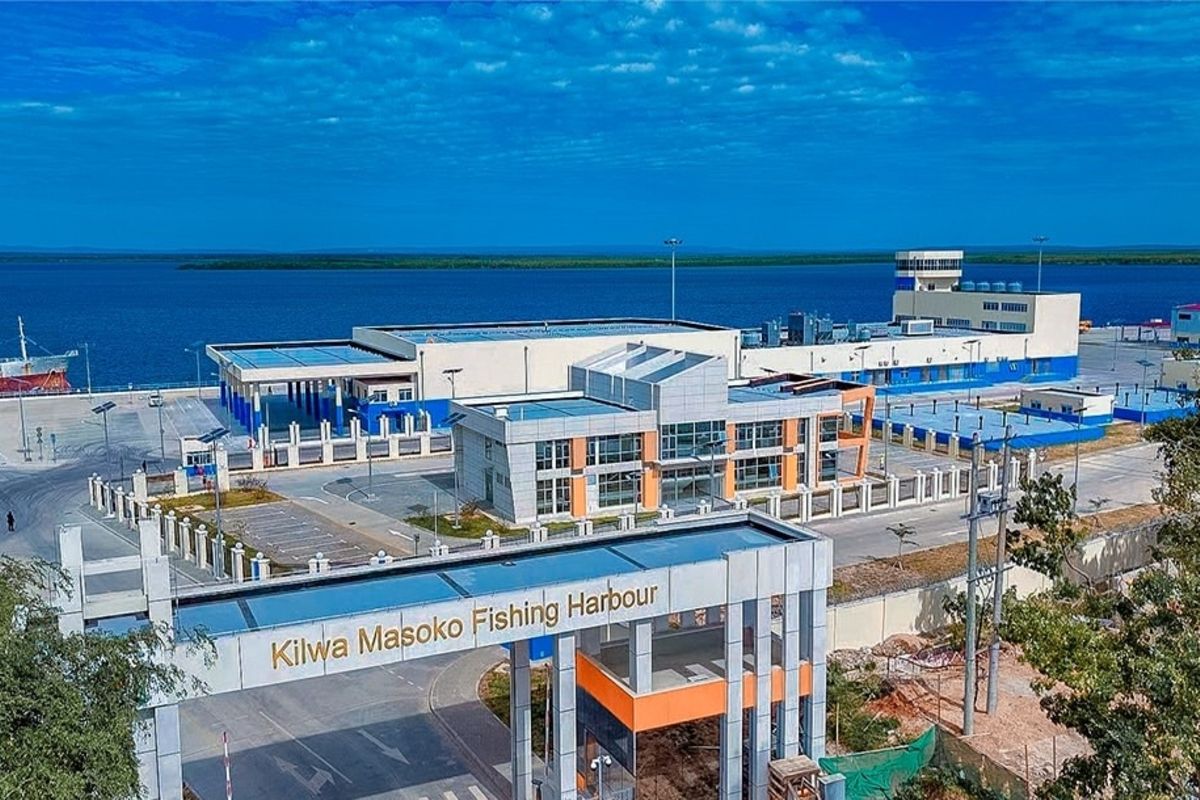
Photo: The Citizen
2026-07-14 14:12 Economy 11


LPG Powers Cold Chain Infrastructure for Tanzania’s Fisheries Sector
The article discusses how liquefied petroleum gas (LPG) is critical to Tanzania's fisheries sector, which supports millions of people.With government investment in Kilwa Masoko Fishing Port, the focus is on cold chain infrastructure to reduce post-harvest losses.
LPG-powered ice plants and blast freezers at landing sites are highlighted as essential for preserving seafood, especially in areas without reliable electricity.The business model involves modular LPG units that provide ice sales, cold storage rentals, and bulk LPG supply margins.This approach addresses the 25-40% loss rate in fishery products due to inadequate cold chain coverage.The article emphasizes that LPG can serve as an industrial fuel for food preservation, not just household cooking, creating new market opportunities.
Partnerships with government agencies and export-oriented processors are recommended to scale this solution across Tanzania's coastal and lake regions.
2208
Original title: Liquefied petroleum gas is the engine of the fish value chain in Tanzania
The AI system has determined that this news is not clickbait/sensationalist: : The original title is factual and directly references the article's core topic of LPG's role in fisheries, without sensationalist language. This has coincided with the opinion of the majority of users.
You may also be interested in...
Christian Yoka's efforts to stabilize Congo's finances
 Tanzanians Advised to Plan for Retirement Early Amid Economic Pressures
 Tanzania's Domestic Nickel Processing Strategy for Global Clean Energy Markets