
 Government Responds to Counterfeit Currency Case in Manyoni District
KillBait - News highlights delivered clearly and responsibly—no clickbait, no sensationalism
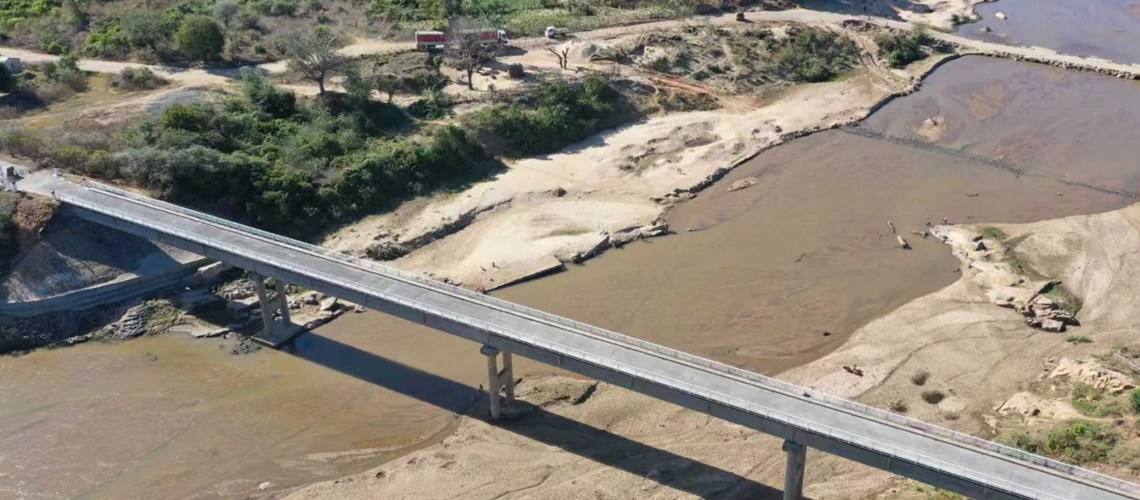
Photo: Tanzania Insight
2026-06-01 02:18 Economy 10 


Madagascar Rural Bridge Improves Vanilla Transport to International Markets
A small but important bridge in northeastern Madagascar has become a key link in the global vanilla supply chain, helping farmers move their harvests from remote farming areas to international markets more efficiently.
The region, especially the SAVA area which includes Sambava, Antalaha, Vohemar, and Andapa, is responsible for around 80 percent of the world’s natural vanilla production.
However, before the bridge was built, farmers faced serious transport challenges due to poor roads, flooding, and difficult terrain that often made it impossible to move crops during the rainy season.The new infrastructure has changed this situation by providing a reliable crossing point that allows year-round access.
Farmers can now transport vanilla beans without delays, reducing the risk of crop damage and improving the overall quality of the product that reaches processing facilities.
This is especially important because vanilla is a highly sensitive and labour-intensive crop that requires careful harvesting, hand pollination, and long curing processes before export.The article highlights how even small infrastructure projects can have a big economic impact.For thousands of smallholder farmers in Madagascar, improved transport means better income stability and reduced losses.International buyers, including food and flavour companies, also benefit from a more consistent and reliable supply chain.Despite its small size, the bridge plays a major role in supporting Madagascar’s position as the world’s leading vanilla exporter.
The development also reflects wider challenges in rural infrastructure across developing countries, where transport barriers often limit economic growth.
Organisations such as the World Bank and other development partners continue to stress the importance of investing in roads and bridges to improve livelihoods and strengthen global trade links.
In this case, the modest bridge in Madagascar demonstrates how targeted infrastructure improvements can connect isolated agricultural communities to global markets and support long-term economic development.
Full reading at Tanzania Insight
2187
Original title: Small Madagascar Bridge Connects Vanilla Harvests to Global Markets
The AI system has determined that this news is not clickbait/sensationalist: : The original title is factual and descriptive, clearly stating the subject of the article without exaggeration or sensational wording, so it is not clickbait. This has coincided with the opinion of the majority of users.
You may also be interested in...
Government Responds to Counterfeit Currency Case in Manyoni District
 World Bank Supports Developing Countries to Use Minerals for Jobs and Sustainable Growth
 Tanzanian Government Announces Measures to Support Small-Scale Salt Miners Across the Country