
 Medical Certificates Under Scrutiny as Commission Investigates Potential Fraud
KillBait - News highlights delivered clearly and responsibly—no clickbait, no sensationalism
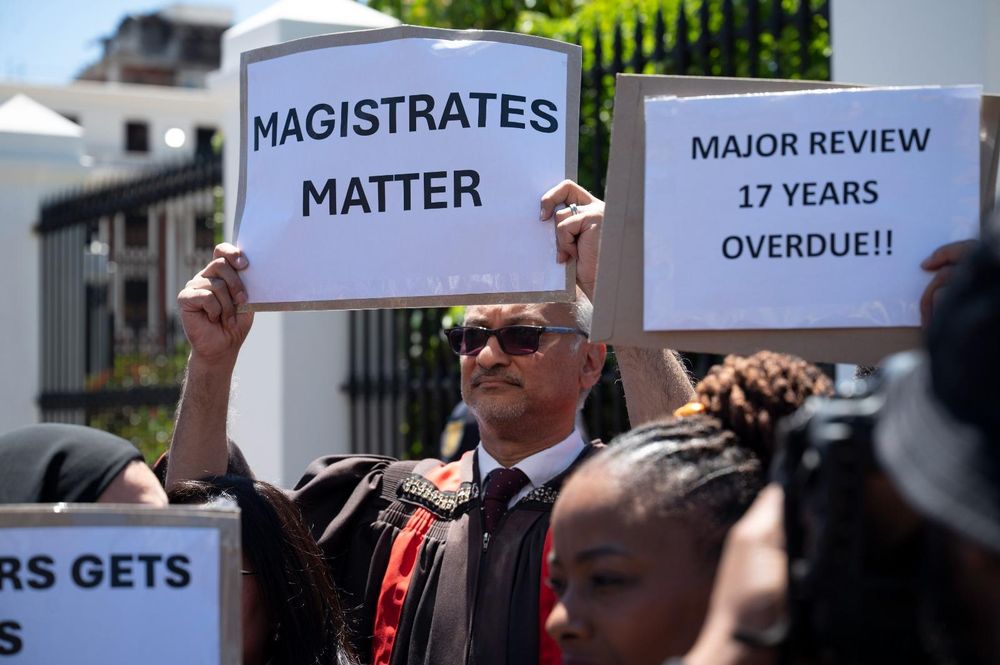
Photo: IOL
2026-07-19 07:22 Justice 10


Magistrates Seek Judicial Independence and Better Working Conditions
Magistrates in South Africa are pushing for greater independence from the Department of Justice (DoJ), citing concerns over administrative control, inadequate resources, and disparities in treatment compared to judges.
During a march to Parliament in Cape Town, they demanded reforms including a unified judiciary system where magistrates would report directly to the Chief Justice.
The 2026 Judiciary Conference resolutions highlight the need to transfer magistrates to the Office of the Chief Justice (OCJ) to ensure institutional autonomy.
However, stakeholders argue that current administrative support from the DoJ, which provides budgets, staffing, and operational oversight, creates a perception of dependency.
Magistrates also raised issues about poor working conditions, outdated infrastructure, and lack of modern technology, which hinder their ability to manage high caseloads.
While the proposed reforms aim to enhance judicial independence, challenges remain in aligning salaries, benefits, and governance structures with those of judges.
The Judicial Officers Alliance of South Africa (JASA) supports the move, emphasizing the need for legislative changes to create a unified framework for all judicial officers.The debate underscores ongoing tensions between administrative control and judicial autonomy in South Africa's legal system.
2187
Original title: Magistrates demand independence from the Department of Justice's grip
The AI system has determined that this news is not clickbait/sensationalist: : The original title is factual and directly reflects the magistrates' stated demands without exaggeration or sensationalism. This has coincided with the opinion of the majority of users.
You may also be interested in...
Medical Certificates Under Scrutiny as Commission Investigates Potential Fraud
 Security guard apologises for inappropriate comments during SAPS caravan incident
 Fraudulent Sick Notes Undermine Justice and Professional Ethics