
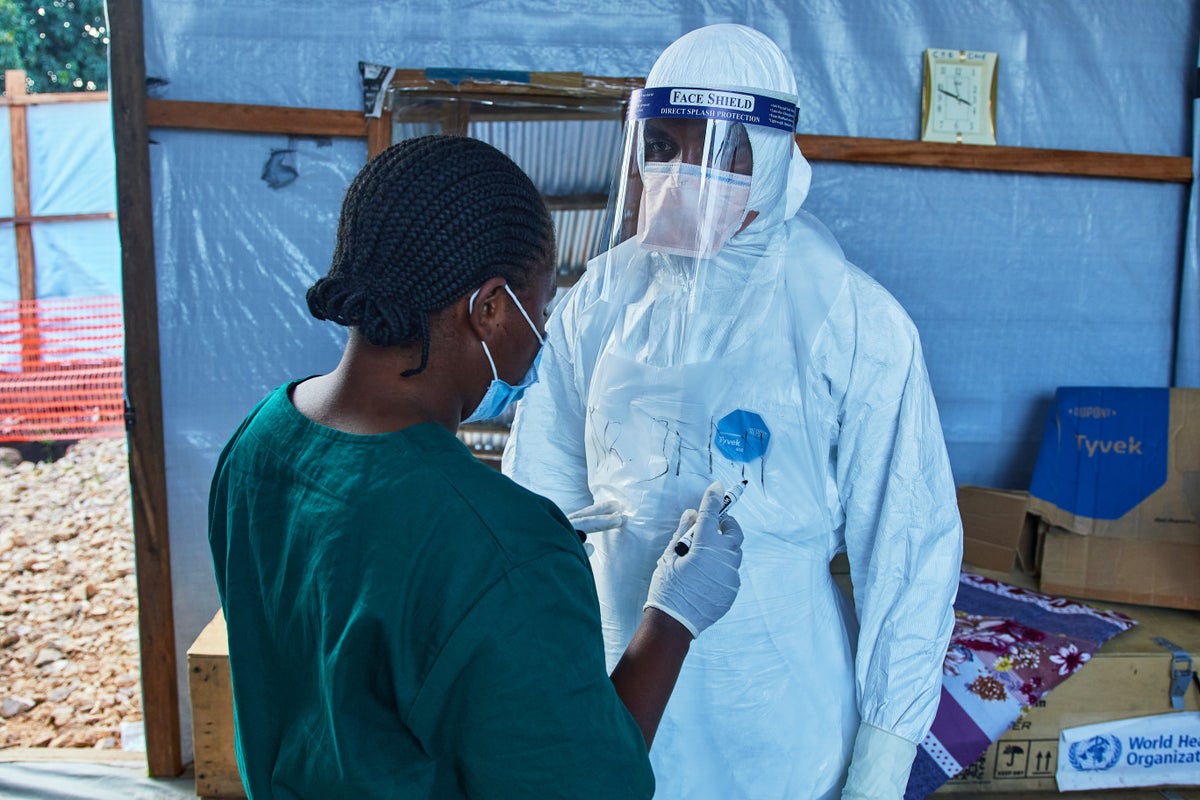
 New Ebola treatment trial starts in eastern Congo amid ongoing outbreak
KillBait - News highlights delivered clearly and responsibly—no clickbait, no sensationalism

Photo: theguardian.com
2026-07-11 09:39 Health 10


Male fertility decline: Scientific debate over environmental and health factors
The article explores the controversy surrounding declining male fertility, with scientists divided on the causes.Prof Hagai Levine's research suggests a 50% drop in testosterone levels over 50 years, sparking concerns about environmental toxins, pollution, and modern lifestyles.
However, experts like Prof Allan Pacey argue that obesity and diabetes may better explain the trends, as studies show no consistent decline in sperm counts when using more reliable measurement techniques.
The piece highlights the role of endocrine-disrupting chemicals, microplastics, and air pollution in potential reproductive health impacts, while cautioning against overinterpretation of data.
It also addresses the challenges in diagnosing male infertility, the rise of unregulated fertility treatments, and emerging technologies like AI-driven sperm selection.
Despite debates, the article underscores the need for balanced approaches to address both environmental and lifestyle factors affecting male reproductive health.
Full reading at theguardian.com
2186
Original title: ‘Spermageddon’: is the world facing a male reproductive crisis?
The AI system has determined that this news is clickbait/sensationalist: : The original title uses the sensationalist term 'Spermageddon' to grab attention, which exaggerates the issue and lacks scientific nuance, typical of clickbait headlines. This has coincided with the opinion of the majority of users.
You may also be interested in...
New Ebola treatment trial starts in eastern Congo amid ongoing outbreak
 Tips for sleeping through a heatwave and maintaining a cool bedroom
 The Link Between Sleep Patterns and Digestive Health