
 Weekly Newsletter: Highlights from July 19–26, 2026
KillBait - News highlights delivered clearly and responsibly—no clickbait, no sensationalism
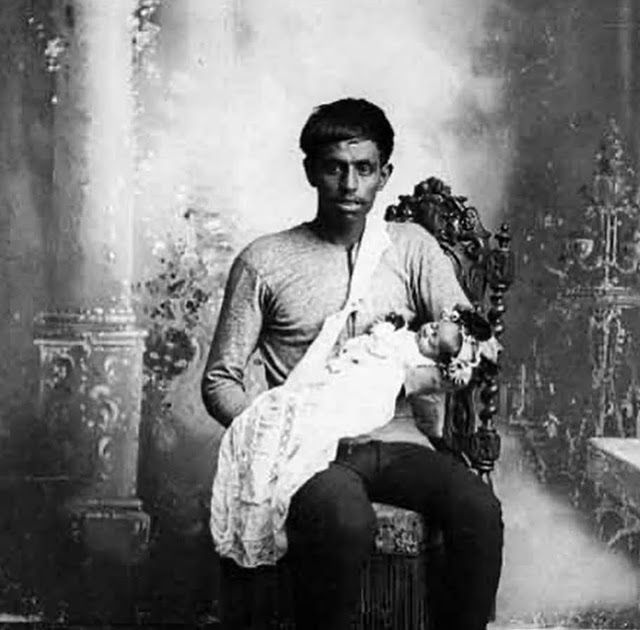
Photo: vintag.es
2026-07-28 03:49 Culture 12


Mexican Post-Mortem Photography of Infants and Children: Cultural Practices in the Late 19th and Early 20th Centuries
The article explores the historical Mexican tradition of 'La muerte niña,' where post-mortem photographs of deceased infants and children were created during the late 19th and early 20th centuries.This practice, rooted in colonial art traditions, served as a way for families to preserve memories amid high infant mortality rates.
Unlike modern perspectives that may view such images with unease, Mexican communities embraced these children as 'angelitos' (little angels), believing they ascended to heaven without sin.
The photographs were highly stylized, often featuring children dressed in white gowns or as saints, adorned with floral crowns and religious symbols like crosses or lilies.Staging emphasized spiritual transformation rather than mortality, with infants depicted in beds surrounded by flowers or held by family members.Photographers like Romualdo García and Juan de Dios Machain documented these rituals, creating socio-historical archives.By the mid-20th century, shifts in Catholic practices and improved healthcare led to the decline of this genre.The article highlights how these images reflect cultural beliefs about purity, divine intercession, and familial grief.
2224
Original title: La muerte niña: Post-Mortem Portraits of Infants and Young Children in Mexico From the Late 19th and Early 20th Centuries
The AI system has determined that this news is not clickbait/sensationalist: : The original title uses 'La muerte niña' (the death of the child) as a central theme, which is directly related to the article's content about post-mortem rituals. While it may appear sensational, the context clarifies it as a cultural practice rather than clickbait. This has coincided with the opinion of the majority of users.
You may also be interested in...
Weekly Newsletter: Highlights from July 19–26, 2026
 Lena Waithe's 'The Chi' Celebrates Black Life and Longevity in Chicago
 Jennifer Lopez's High School Years: From Athlete to Global Superstar