
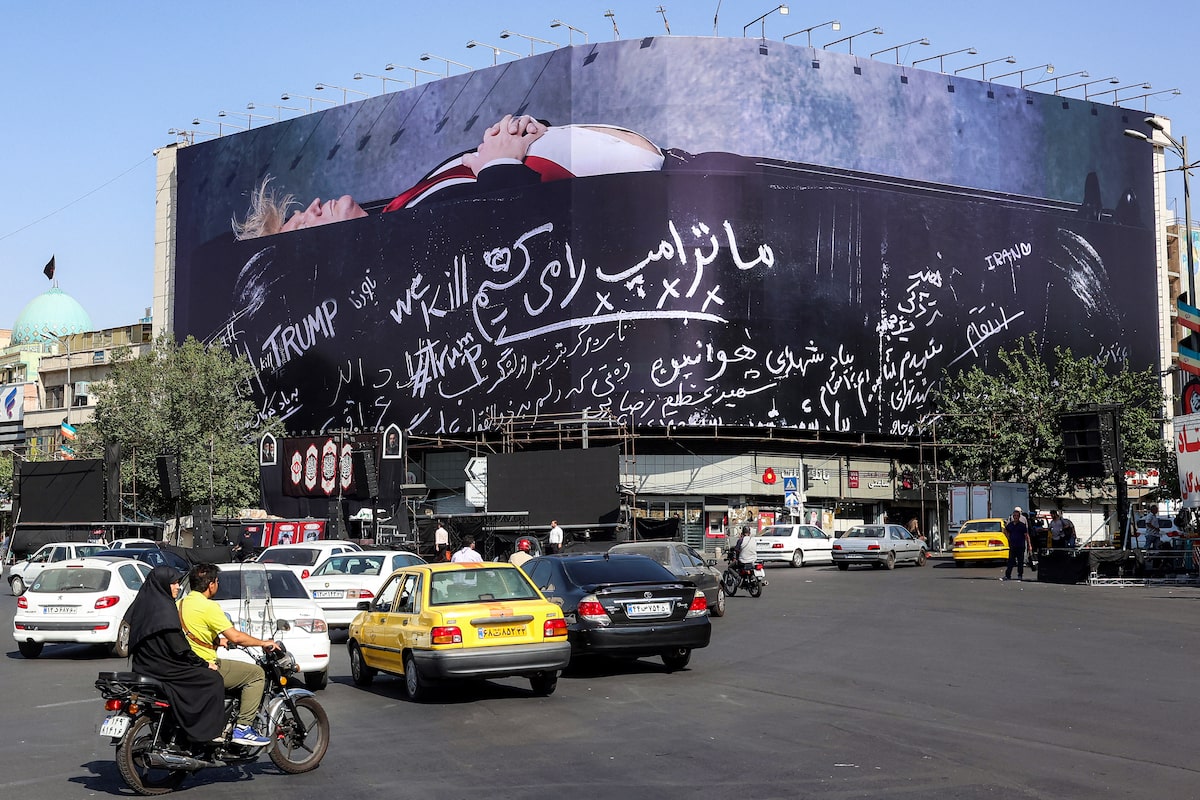
 U.S.-Iran escalation: Naval blockade tensions and regional strikes
KillBait - News highlights delivered clearly and responsibly—no clickbait, no sensationalism
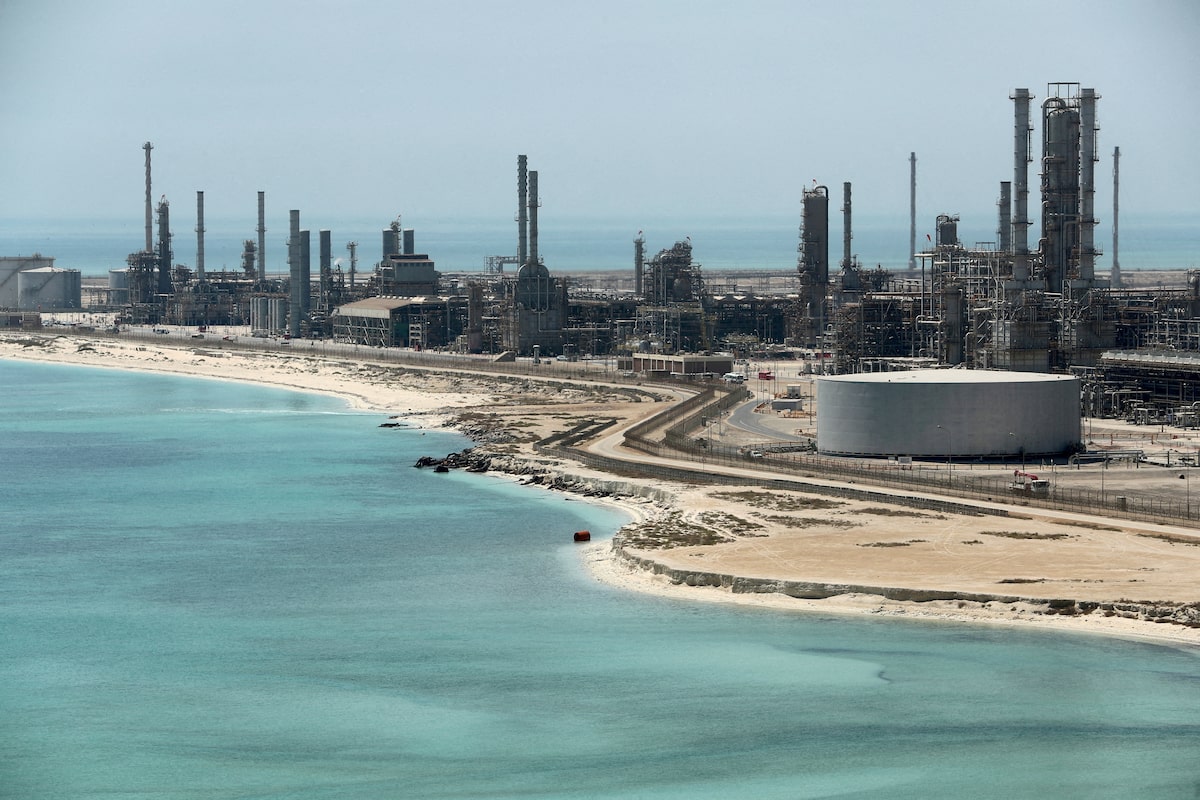
Photo: The Globe and Mail
2026-07-22 22:23 Conflict 10


Middle East Conflict Alters 2026 Oil Outlook, Oversupply Looms in 2027
The ongoing conflict in the Middle East has significantly impacted global oil markets, altering forecasts for 2026 and 2027.According to a Reuters poll of analysts, the war has deepened predictions of a global oil deficit in 2026, with an average shortfall of 1.5 million barrels per day.This contrasts with earlier expectations of a surplus of 1.63 million bpd for 2026.However, analysts now anticipate a shift to an oversupply of 1.9 million bpd in 2027, driven by recovering Gulf oil flows, robust U.S.production, and OPEC+'s decision to unwind production cuts.The Iran war, which began with U.S.and Israeli strikes on February 28, disrupted energy supplies by effectively closing the Strait of Hormuz, a critical oil transit route.
While a temporary peace agreement in June eased some supply constraints, recent escalations have reignited price volatility, with Brent crude futures rising 28% in July.
Analysts caution that the market's trajectory will depend on how quickly Hormuz transits normalize, with HSBC predicting global oil stocks could surpass 2020 pandemic levels by late 2027.Meanwhile, China's lower demand due to electrification trends is expected to further influence the market balance.
Full reading at The Globe and Mail
2186
Original title: Middle East war deepens 2026 oil deficit outlook, glut still looms next year
The AI system has determined that this news is not clickbait/sensationalist: : The original title is informative and directly reflects the article's content about oil market shifts due to geopolitical tensions, without sensationalist language. This has coincided with the opinion of the majority of users.
You may also be interested in...
U.S.-Iran escalation: Naval blockade tensions and regional strikes
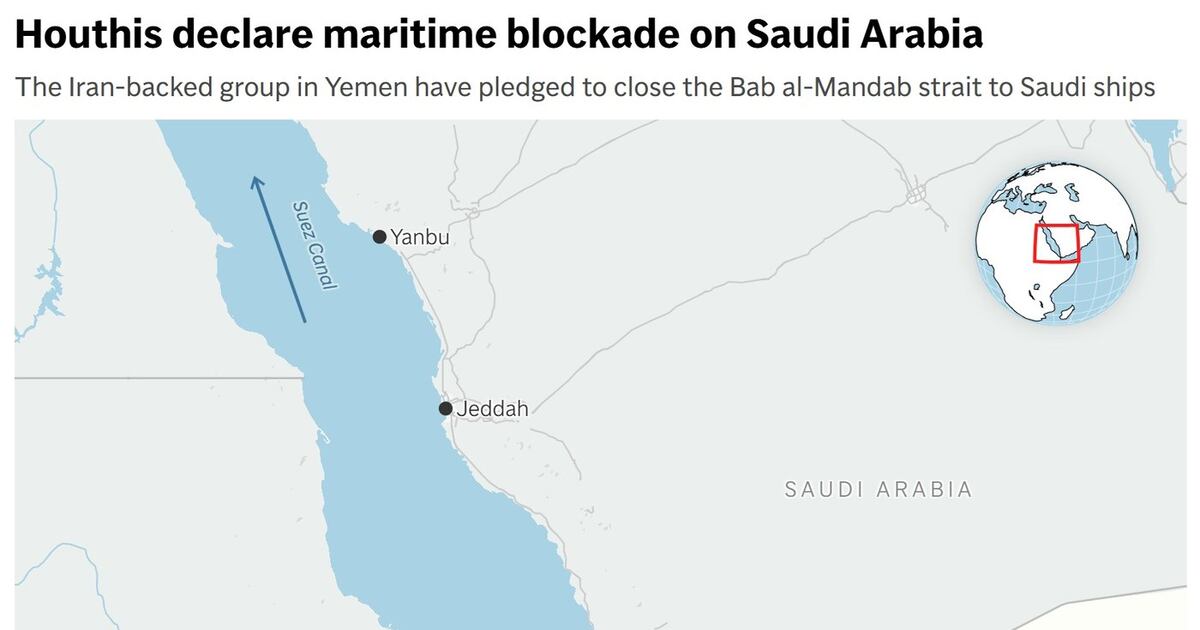 Yemen's Houthis escalate regional tensions by targeting critical trade routes
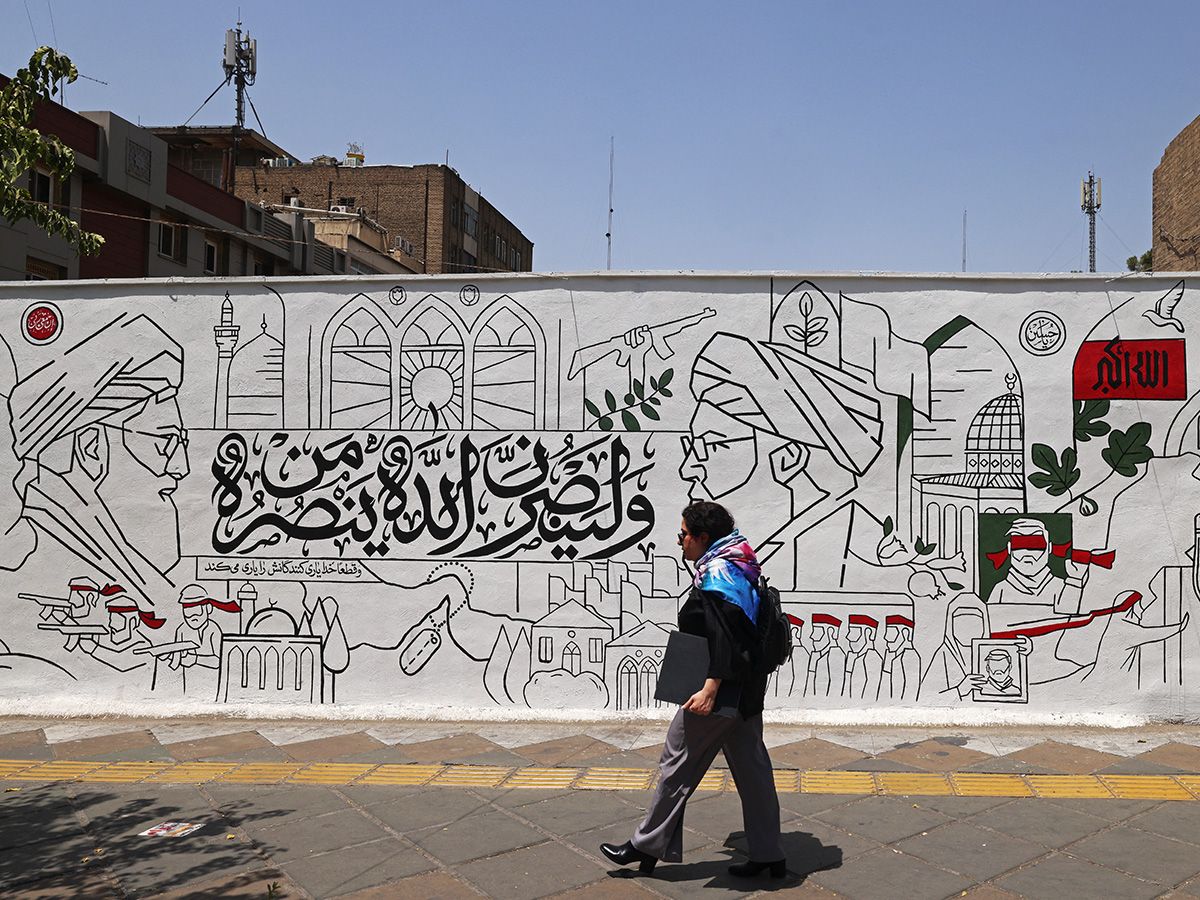 Trump and Iran: Escalating Conflict Over Hormuz Strait and Midterm Elections