
 US Imposes Sanctions on Sudan Amid Chemical Weapons Allegations
KillBait - News highlights delivered clearly and responsibly—no clickbait, no sensationalism
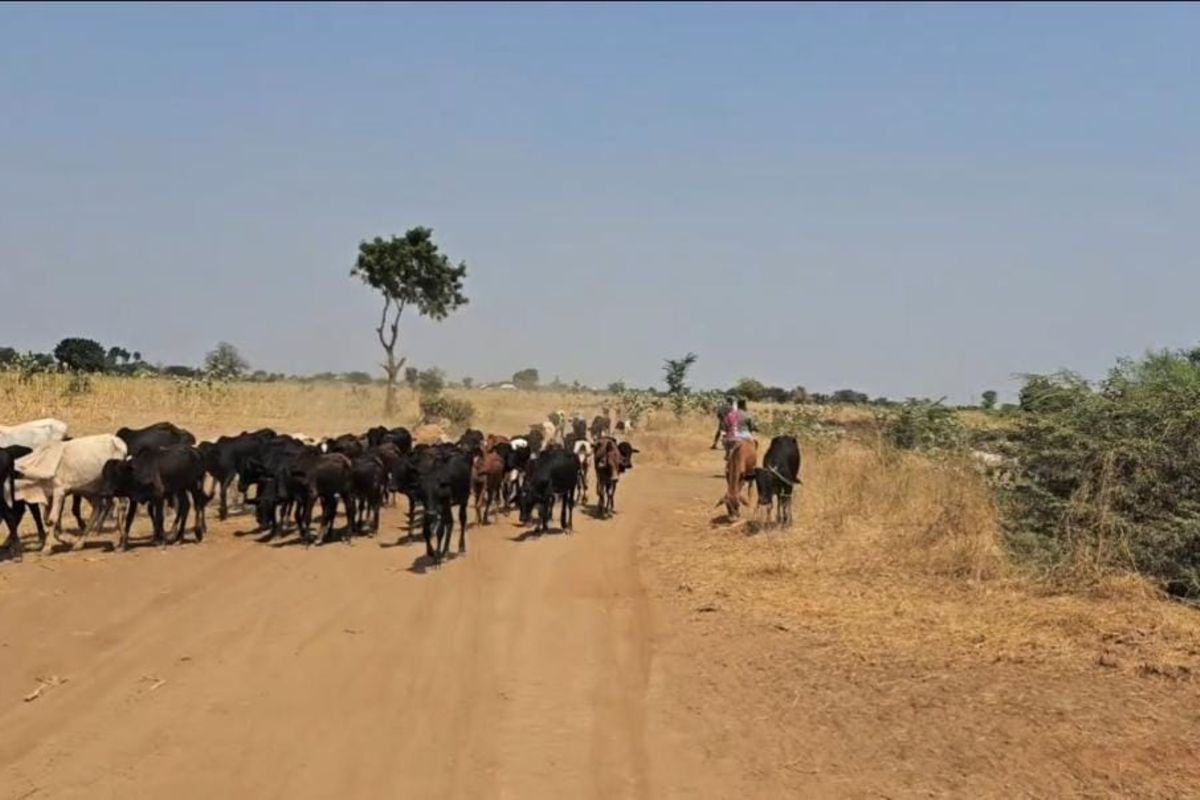
Photo: Tanzania Insight
2026-07-21 05:49 Conflict 10


Moshi Region Faces Land Use Conflict Between Livestock Farmers and Agricultural Owners
Authorities in Moshi have issued a stern warning to livestock keepers in the region, cautioning them against allowing their animals to trespass onto agricultural land as tensions between herders and crop farmers continue to escalate.
The Chama cha Wanawake Tanzania (CCWT), Tanzania’s prominent women’s organization, has taken a leading role in addressing the ongoing conflict between pastoralists and farmers in the Moshi area.
The warning comes amid growing concerns about crop destruction caused by uncontrolled livestock movement, which has threatened food security and livelihoods in the agricultural district.
Local officials have reported an increasing number of incidents where cattle, goats, and other livestock have invaded farmlands, destroying crops crucial for both subsistence and commercial purposes.
These intrusions have sparked heated disputes between the farming and pastoral communities, prompting intervention from various stakeholders including women’s groups who are often directly affected by agricultural losses.
The Moshi region, located in the fertile foothills of Mount Kilimanjaro in northern Tanzania, is traditionally known for its robust agricultural sector, producing significant quantities of coffee, bananas, maize, and various vegetables.
However, the region has also seen an influx of pastoralists seeking grazing land for their herds, particularly during dry seasons when traditional grazing areas become depleted.CCWT representatives have emphasized the need for clear boundaries and respect for agricultural land while recognizing the rights of pastoralists.
The organization has been working closely with local government authorities to mediate between the two groups and establish sustainable solutions that accommodate both farming and pastoral activities without conflict.
The dispute reflects a broader challenge facing many East African nations, where competition for land resources between farmers and herders has intensified due to population growth, climate change, and environmental degradation.In Tanzania, such conflicts have occasionally turned violent, prompting government intervention and policy reforms aimed at land use management.
Women farmers, who constitute a significant portion of agricultural workers in the region, have been particularly vocal about the economic losses resulting from livestock invasions.Many depend entirely on their harvests for household income and food security, making crop destruction a serious threat to their families’ wellbeing.
Local authorities have indicated they will enforce existing regulations more strictly, including provisions that hold livestock owners responsible for damages caused by their animals.Penalties may include fines and compensation payments to affected farmers, though enforcement has historically been inconsistent.Community leaders are now calling for the establishment of designated livestock corridors and grazing zones to prevent future conflicts.
Discussions are also underway about implementing traditional conflict resolution mechanisms alongside modern legal frameworks to address disputes more effectively.
The CCWT warning serves as a critical reminder of the need for sustainable land use planning in areas where agricultural and pastoral interests overlap.
As climate variability continues to affect traditional grazing patterns and farming cycles, finding equitable solutions that protect both livelihoods will remain a priority for local and national authorities in Tanzania’s agricultural heartlands.
Full reading at Tanzania Insight
2186
Original title: CCWT Warns Moshi Livestock Farmers Against Grazing Animals on Farmland
The AI system has determined that this news is not clickbait/sensationalist: : The original title is factual and informative, reporting a warning from CCWT without sensationalist language or exaggerated claims. This has coincided with the opinion of the majority of users.
You may also be interested in...
US Imposes Sanctions on Sudan Amid Chemical Weapons Allegations
 Peace Agreement Implementation Faces Security Coordination Challenges
 Iran and US clash over critical maritime routes and oil exports