
 Jammu and Kashmir Publishers Arrested Over Pro-Separatist Books
KillBait - News highlights delivered clearly and responsibly—no clickbait, no sensationalism
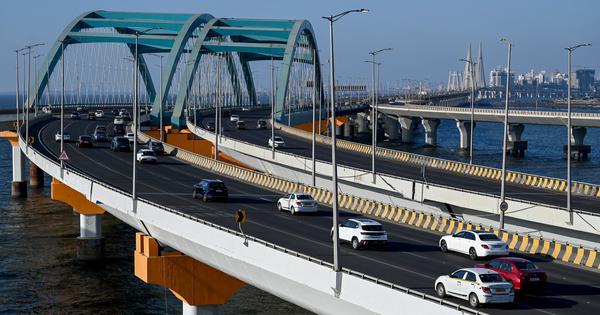
Photo: Scroll.in
2026-07-13 11:30 Politics 10


Mumbai's Infrastructure Focus on Cars vs Public Transport Needs
Mumbai, a city primarily designed for commuters, is increasingly investing in road expansions for private vehicles despite the overwhelming reliance on public transport.
The article highlights how billions of rupees spent on road projects for a minority car-owning population could have instead improved public transit systems used by millions.
Key projects like the Mumbai Coastal Road and Orange Gate Tunnel are criticized for prioritizing vehicular infrastructure over pedestrian and commuter needs.
The piece underscores the environmental and social costs, such as altered shorelines and loss of public spaces, while contrasting Mumbai's approach with Tokyo's successful rail-centric model.
It calls for urgent reforms, including integrating metro, railways, and buses into a cohesive network, rebuilding the bus fleet, and addressing the growing issue of 'transit deserts' in areas like Nalasopara and Vasai-Virar.
The article emphasizes that Mumbai's current policy contradicts its own National Urban Transport Policy of 2006, which advocated for people-centric planning over vehicle-centric expansion.
2186
Original title: Mumbai is a commuter’s city. Why is it building itself for cars?
The AI system has determined that this news is clickbait/sensationalist: : The original title uses a provocative question to highlight a controversial policy decision, which is a common clickbait tactic to attract attention. This has coincided with the opinion of the majority of users.
You may also be interested in...
Jammu and Kashmir Publishers Arrested Over Pro-Separatist Books
 US Senator Mitch McConnell delays Senate return due to health issues
 New Voters Required to Submit Parents' SIR Details for Electoral Roll Inclusion