
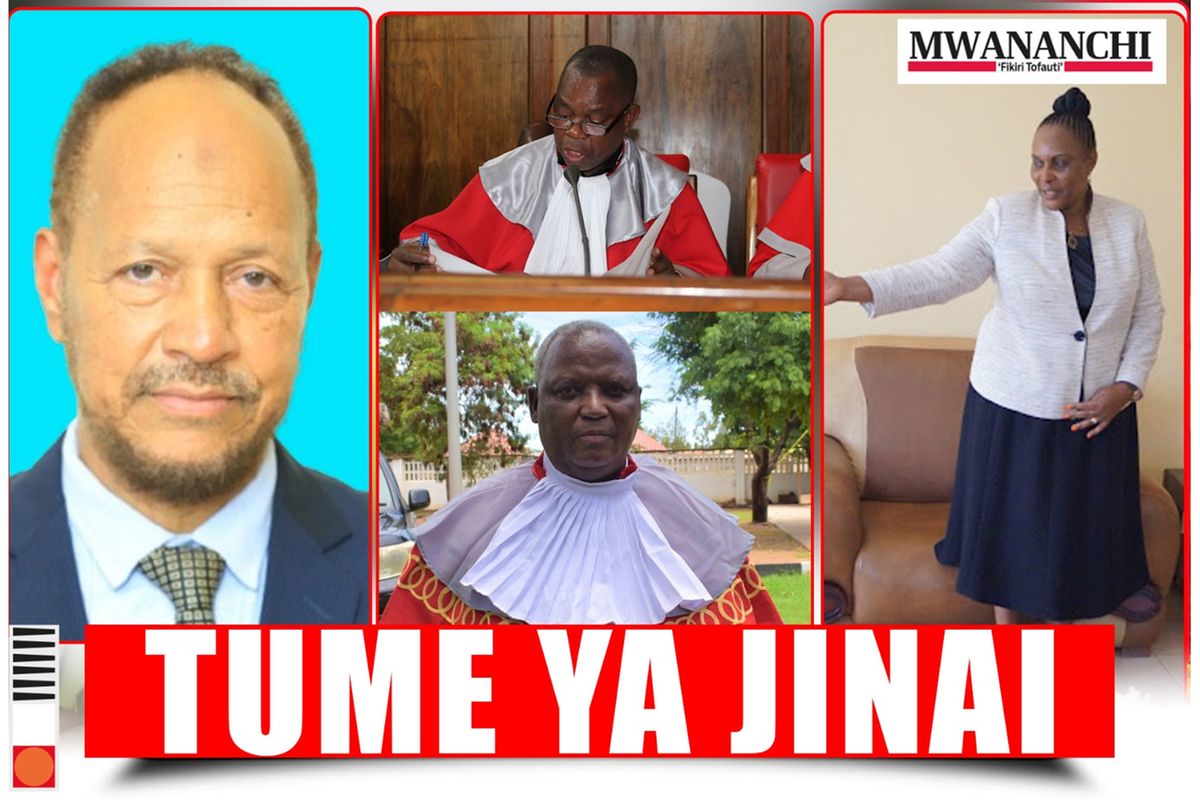
 Presidential Commission Begins Legal Process on Election Violence Investigations
KillBait - News highlights delivered clearly and responsibly—no clickbait, no sensationalism
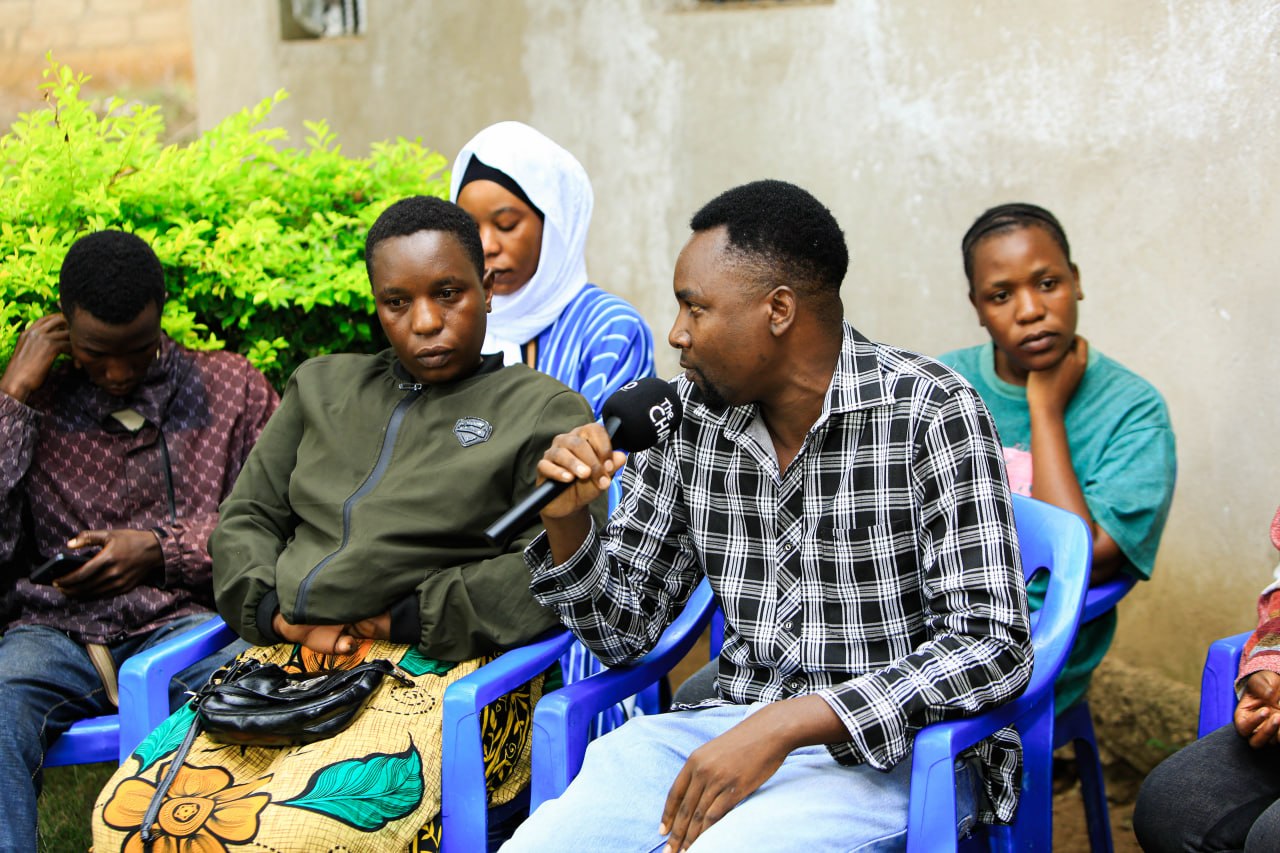
Photo: The Chanzo Inititative
2026-06-01 12:47 Politics 10 


Musoma Youth Raise Concerns Over Inaccessible Government Loans and Lack of Local Accountability
Youth in Musoma, Mara Region, are expressing strong frustration and loss of trust in local government due to poor access to empowerment loans and weak leadership accountability.
During a community dialogue under the Dira Mtaani programme, many young people explained that the legally mandated 10 per cent loan fund for youth, women, and people with disabilities is not reaching ordinary citizens.Instead, there is a widespread belief that local leaders are benefiting from the funds among themselves.Participants described a long and discouraging application process.Some groups followed all required procedures, including opening bank accounts and preparing necessary documents, but never received any loan support.They reported being told to wait through multiple funding windows, only to end up moving from one office to another without clear answers.This situation is worsened by the financial burden applicants face, such as bank charges and administrative costs, which many cannot afford to lose.Beyond financial challenges, youth also pointed to a serious communication gap with their leaders.Public meetings to discuss development issues are rarely held, with many saying such engagements only happen during election campaigns.This has contributed to a feeling that leaders are not accountable to the people once elected.Fear of consequences has also limited civic action.When the idea of protests was raised, participants rejected it, saying it could bring negative attention or repercussions to their community.Instead, they described a system where complaints are continuously redirected without resolution.As a result, many young people feel politically disconnected and hopeless.
Their main focus has shifted from civic participation to basic survival, reflecting a broader concern about governance, inclusion, and trust in public institutions.
Full reading at The Chanzo Inititative
2187
Original title: ‘Just to Live’: Broken Loans and Silent Leaders Leave Musoma’s Youth With No Faith
The AI system has determined that this news is not clickbait/sensationalist: : The title reflects the real concerns in the article and, although emotional, it is not exaggerated or misleading. This has coincided with the opinion of the majority of users.
You may also be interested in...
Presidential Commission Begins Legal Process on Election Violence Investigations
 Chadema Faces Internal Conflicts Amid Political Challenges
 Tanzania Sets Oversight and Accountability Measures to Support Vision 2050 Implementation