
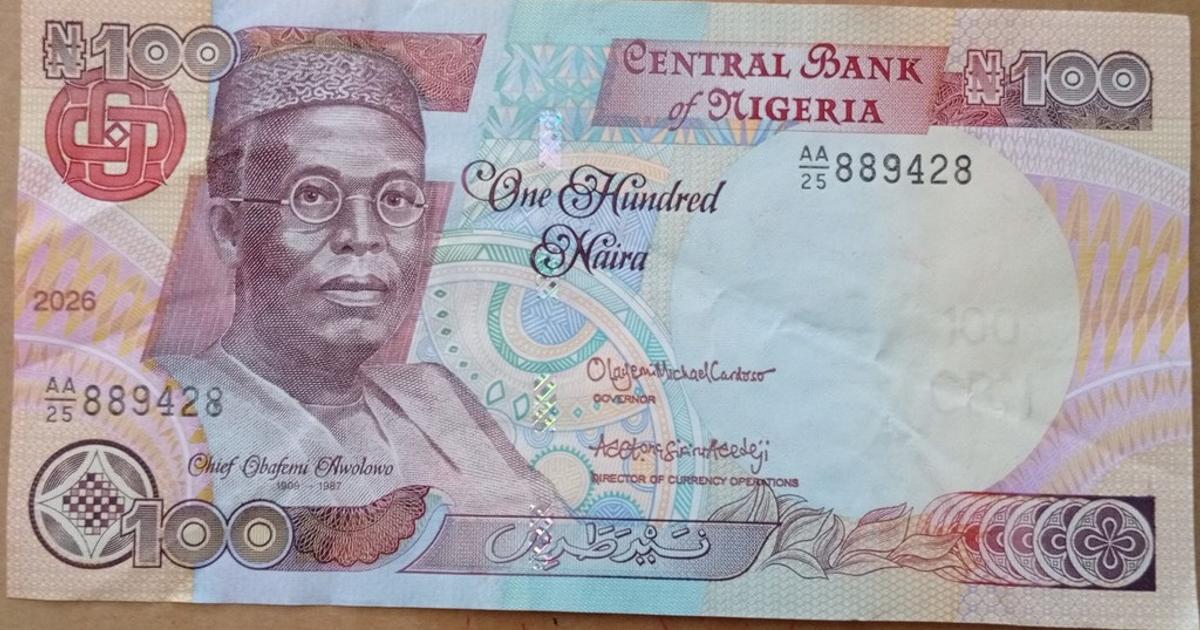
 CBN warns against rejecting standard ₦100 note, reiterates legal tender status
KillBait - News highlights delivered clearly and responsibly—no clickbait, no sensationalism
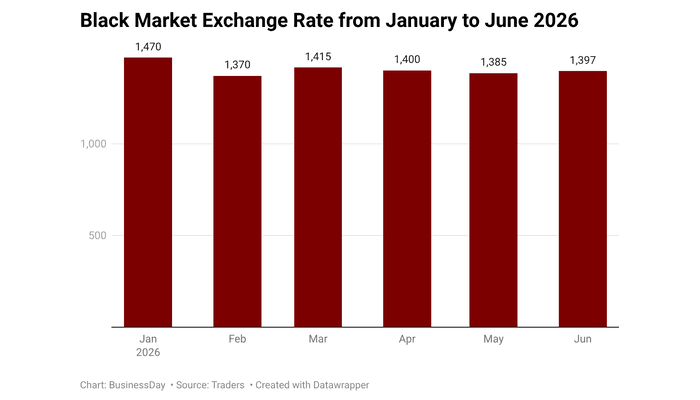
Photo: Businessday NG
2026-07-10 00:23 Economy 10


Naira depreciates amid seasonal dollar demand for travel and school fees
The Nigerian naira is experiencing renewed depreciation in the parallel foreign exchange market due to increased demand for dollars driven by summer travel, overseas school fees, and business trips.The black market rate hit N1,425/$ on July 9, 2026, compared to N1,370/$ in February 2026, widening the gap with the official rate of N1,378.43/$.External reserves rose to $51.71 billion, providing the CBN with tools to stabilize the currency.Experts attribute the pressure to seasonal factors but note other elements like speculative activity and policy adjustments also play a role.The CBN relaxed cashless policies for travel allowances and increased import advance payments to manage forex demand.Key sectors like manufacturing and oil remain heavily reliant on imported goods, contributing to sustained FX utilization.
Full reading at Businessday NG
2186
Original title: Naira faces renewed pressure from summer travel, school fees dollar demand
The AI system has determined that this news is not clickbait/sensationalist: : The original title is factual and directly references specific economic indicators without sensationalist language. It accurately reflects the article's focus on currency dynamics. This has coincided with the opinion of the majority of users.
You may also be interested in...
CBN warns against rejecting standard ₦100 note, reiterates legal tender status
 Volkswagen Faces Unions' Protest Over Major Job Cuts and Restructuring Plans
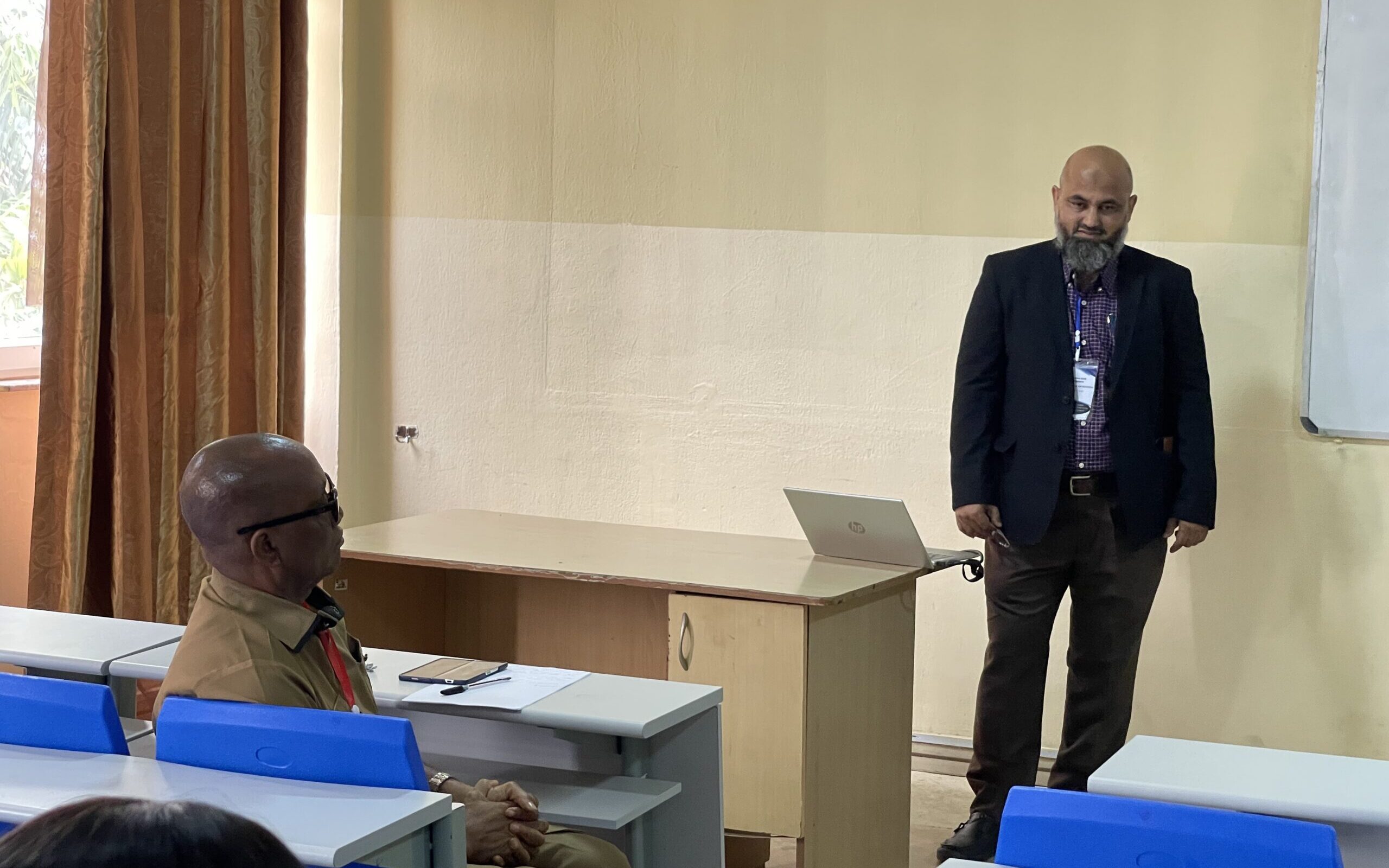 AFEA 2026 Conference Explores African Development Strategies