
 Meteor Breaks Apart Over Northeastern US, Producing Significant Explosion
KillBait - News highlights delivered clearly and responsibly—no clickbait, no sensationalism
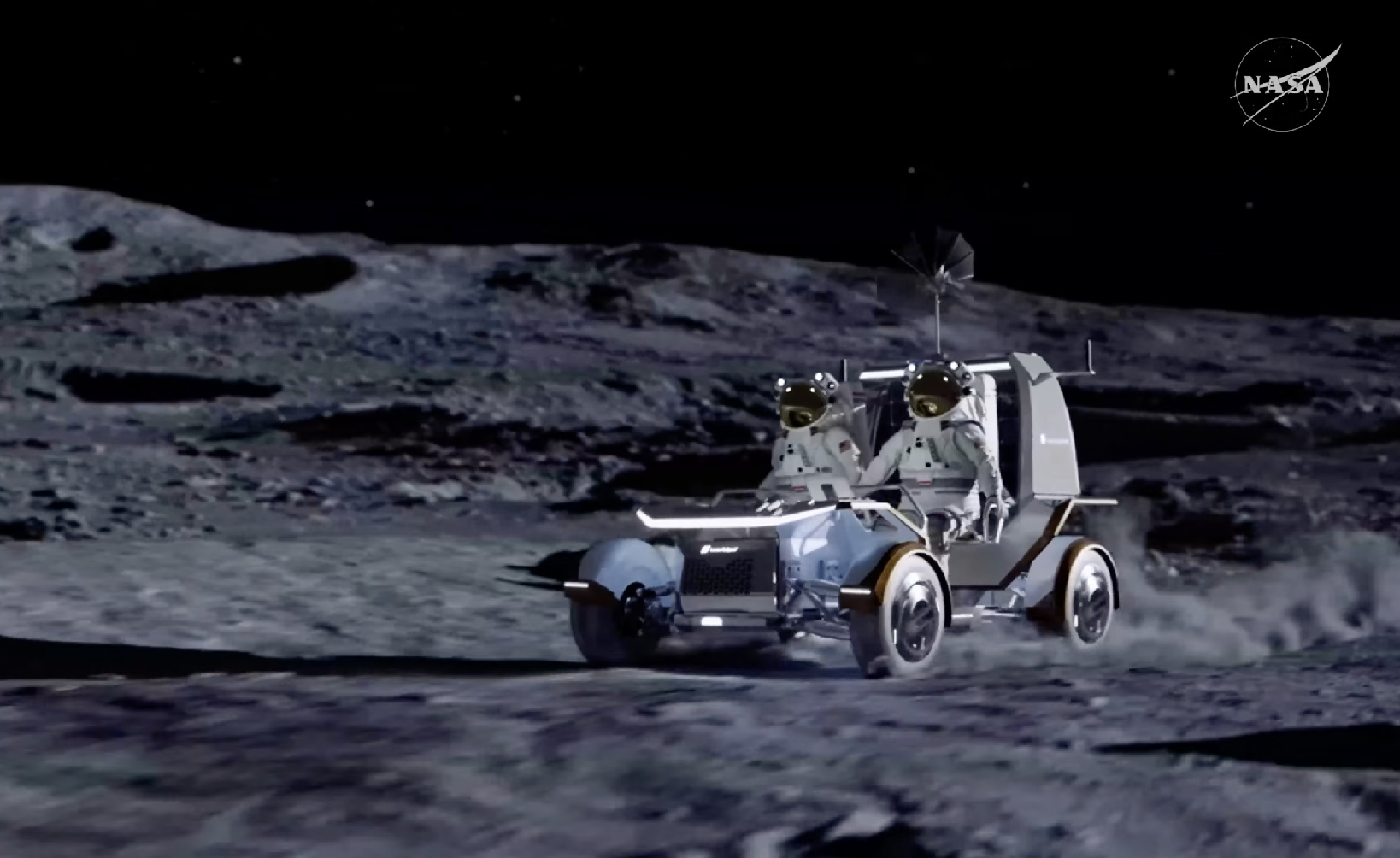
Photo: Eureka
2026-05-29 04:06 Astronomy 37 


NASA Details Early Missions and Phased Deployment Plan for Its Lunar Base Program
NASA has updated its lunar base deployment strategy just two months after unveiling its initial concept, refining how it will combine crewed Artemis missions with commercially driven CLPS lunar deliveries.
Under the new approach, upcoming CLPS missions are being rebranded under a unified “Moon Base” naming system to better align with the broader lunar infrastructure program.
The first three missions include Blue Origin’s Blue Moon Mark 1 Endurance lander, designated Moon Base I, targeting a landing near the Shackleton crater ridge at the lunar south pole.Moon Base II will be Astrobotic’s Griffin 1 mission, carrying up to 500 kilograms of payload, including the FLIP rover from Astrolab.Moon Base III will be Intuitive Machines’ next Nova-C lander.All three missions are expected to launch before the end of the year, though scheduling remains ambitious.NASA also anticipates a rapid cadence of roughly monthly launches beginning in 2027.
The agency’s official plan outlines a phased lunar base buildup: Phase 1 (through 2029) includes 25 launches and 21 landings delivering about 4 tons of cargo; Phase 2 (2029–2032) scales up to 60 tons; and Phase 3, starting after 2032, aims for over 100 tons on the lunar surface.
NASA has also awarded contracts for lunar terrain vehicles (LTVs), including Astrolab’s CLV-1 and Lunar Outpost’s Pegasus rover, valued at over $200 million each.These will be delivered via Blue Origin’s Blue Moon Mark 1/2 landers.Notably, SpaceX’s Starship has been left out of this round of LTV contracts.
Additionally, NASA is developing “Moonfall” hopping drones from JPL, designed to explore permanently shadowed regions in the lunar south pole, mapped at high resolution, and deployed via Firefly’s Elytra orbital transfer system.
The Artemis III mission remains scheduled for mid-2027, potentially carrying crews to lunar orbit for surface operations supported by multiple Human Landing System providers.Despite the ambitious roadmap, questions remain about funding and whether NASA can sustain the scale of its planned lunar expansion.
2459
Original title: Las primeras misiones del proyecto de base lunar de la NASA
The AI system has determined that this news is not clickbait/sensationalist: : The original title is descriptive and fact-based, clearly stating the topic (NASA lunar base missions) without sensational wording or exaggerated claims, so it is not clickbait. This has coincided with the opinion of the majority of users.
Comments :
You may also be interested in...
Meteor Breaks Apart Over Northeastern US, Producing Significant Explosion
 Blue Origin Rocket Explosion Expected to Delay NASA Moon Base Timeline by at Least One Year
 Angrite Meteorite NWA 12774 Reveals Evidence of a Large Protoplanet in the Early Solar System
#1 blue
Another boondoggle for the space-industrial complex. Let's fund teachers and healthcare, not flag-planting on the moon. Bet it's gonna cost a fortune and still miss deadlines. Typical.