
 Rock In Rio Lisbon 2026: A Spectacular Festival Experience
KillBait - News highlights delivered clearly and responsibly—no clickbait, no sensationalism
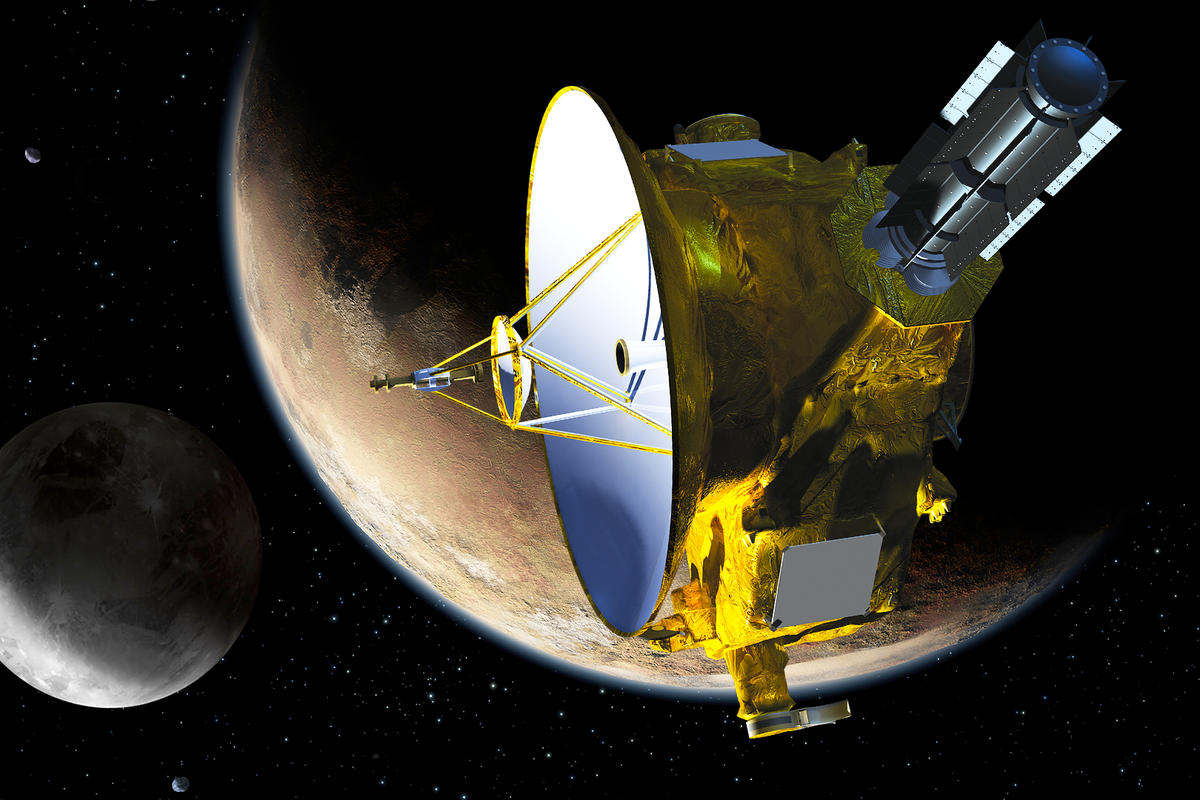
Photo: The Independent
2026-07-10 05:39 Astronomy 10


NASA's New Horizons Spacecraft Awakens After Hibernation to Continue Deep Space Exploration
NASA's New Horizons spacecraft, which famously explored Pluto in 2015, has successfully emerged from a 321-day hibernation period after traveling six billion miles from Earth.The probe, launched in 2006, is now resuming its mission to study the outer solar system, including the Kuiper Belt.
Scientists are eager to analyse data collected during its dormant phase, which includes measurements of space dust, solar wind, and energetic particles.
The spacecraft's awakening marks a critical milestone, as it will continue its journey to investigate the heliosphere and potential distant objects.
Mission managers at Johns Hopkins Applied Physics Laboratory confirmed the spacecraft's systems are functioning optimally, with all status reports indicating 'green' conditions.
Future operations will involve retrieving stored data and conducting instrument checkouts, while upgrades to ground software aim to streamline maintenance.
New Horizons, already a pioneer in space exploration, is expected to remain operational until the end of the decade, contributing valuable insights into the formation of the universe and the composition of the Kuiper Belt.
Full reading at The Independent
2186
Original title: A NASA satellite just woke up from hibernation in deep space. Here is what it can tell us
The AI system has determined that this news is clickbait/sensationalist: : The original title uses the phrase 'Here is what it can tell us,' which is a common clickbait tactic to entice readers with a promise of exclusive content. This has coincided with the opinion of the majority of users.
You may also be interested in...
Rock In Rio Lisbon 2026: A Spectacular Festival Experience
 Federal Court Upholds Illinois Ban on Semiautomatic Weapons
 Top Tips for Staying Cool During the UK Heatwave