
 Nepal Engages UK and China for Dialogue on Lipulekh Pass Dispute with India
KillBait - News highlights delivered clearly and responsibly—no clickbait, no sensationalism
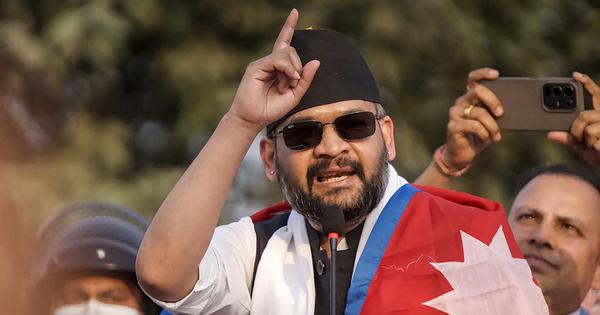
Photo: Scroll.in
2026-05-31 17:49 Geopolitics 10 


Nepal PM acknowledges mutual border encroachment concerns with India, calls for diplomatic resolution
Nepal Prime Minister Balendra Shah has stated in Parliament that both Nepal and India have encroached upon each other’s territories, bringing a nuanced perspective to the ongoing border dispute between the two neighbours.
While India has long been accused by Nepal of occupying areas such as Kalapani, Lipulekh, and Limpiyadhura, Shah indicated that encroachment may not be one-sided, though he did not specify which Indian regions may have been affected by Nepal.
The dispute centres around the Kalapani-Limpiyadhura-Lipulekh region, which India considers part of Uttarakhand, while Nepal claims it based on historical treaties, particularly the 1816 Sugauli Treaty with British India.
Tensions escalated in 2019 when India released a new political map showing Kalapani within its borders, followed by Nepal amending its Constitution in 2020 to include the disputed areas in its official map.
Further friction arose when India inaugurated a road to Lipulekh Pass for the Kailash Mansarovar Yatra, which Nepal objected to, calling it a violation of prior agreements.Nepal has consistently raised concerns over infrastructure activities and pilgrimage routes in what it considers its territory.
Shah emphasised that both countries have agreed to address the issue through diplomatic means, involving historians, surveyors, and technical experts.Nepal has formally communicated its concerns to India through diplomatic channels and received a response.
Additionally, Nepal has discussed the matter with China and suggested that the United Kingdom should also take interest, given the dispute’s roots in colonial-era boundary definitions.India has maintained a firm stance, asserting that its claims are based on historical evidence and rejecting Nepal’s position as unfounded.The issue continues to be a sensitive aspect of India-Nepal relations, requiring careful diplomatic handling to avoid further escalation.
2186
Original title: Nepal PM claims Kathmandu, New Delhi have encroached upon each other’s territories
The AI system has determined that this news is not clickbait/sensationalist: : The title is straightforward and accurately reflects the key claim made by the Nepal Prime Minister without exaggeration or sensationalism. This has coincided with the opinion of the majority of users.
You may also be interested in...
Nepal Engages UK and China for Dialogue on Lipulekh Pass Dispute with India
 General N.S. Raja Subramani assumes charge as India's new Chief of Defence Staff
 Edmundo González urges fresh presidential elections in Venezuela amid interim government