
 Japan's Hayabusa2 Probe Captures Rare Image of Snowman-Like Asteroid Torifune
KillBait - News highlights delivered clearly and responsibly—no clickbait, no sensationalism
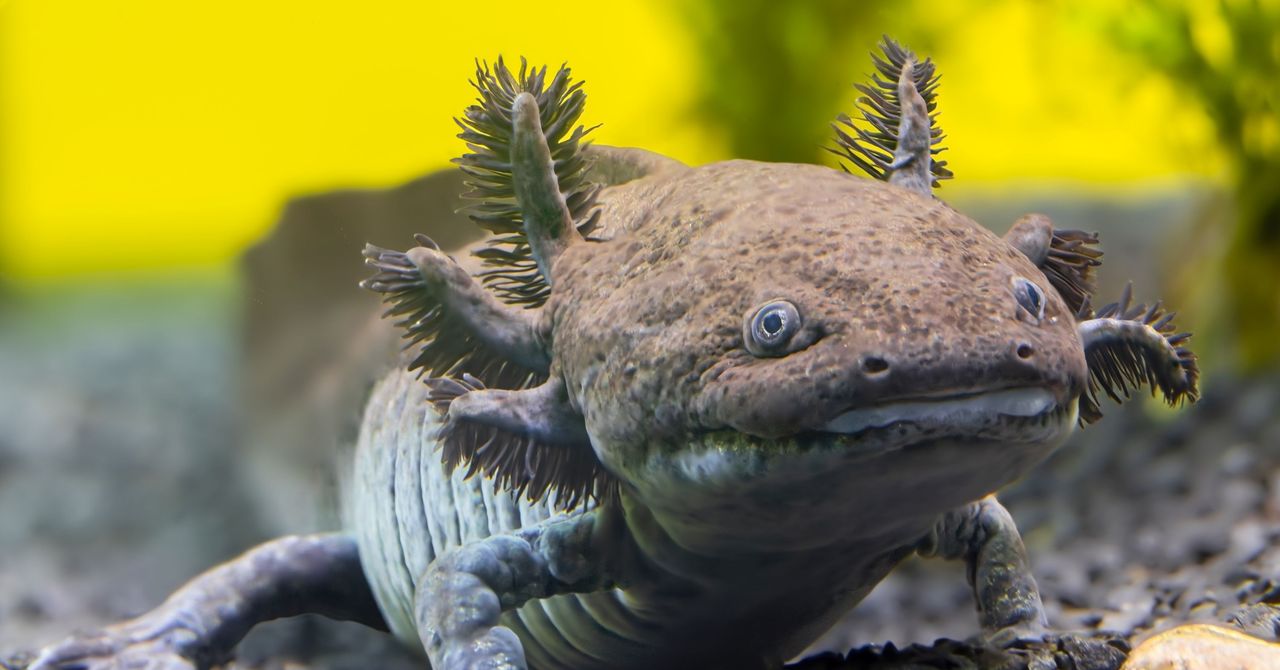
Photo: WIRED
2026-07-04 20:02 Science 17


New Fossil Species of Axolotl Reveals Ancient Presence in Mexico
Researchers at the National Autonomous University of Mexico (UNAM) have identified a new fossil species of axolotl, Ambystoma quetzalcoatli, in Hidalgo state.This discovery, published in Palaeontologia Electronica, highlights the presence of axolotls in Mexico for millions of years.
The fossils, found in Atotonilco el Grande, exhibit significant anatomical differences from modern axolotls, including an elongated skull opening, unique palate structure, and 17 trunk vertebrae—more than modern species.The study used CT scans and comparisons with 13 living Ambystoma species to confirm the new species.The findings suggest neoteny, a trait allowing juvenile characteristics to persist into adulthood, was present in ancient axolotls.This discovery underscores Mexico's deep evolutionary history and the role of ancient lake systems in biodiversity.The research emphasizes the importance of preserving ecosystems and understanding past environmental conditions that shaped current species.
2298
Original title: Scientists Have Identified a New Fossil Species of Axolotl in Mexico
The AI system has determined that this news is clickbait/sensationalist: : The original title uses hyperbolic language ('Identified a New Fossil Species') to attract attention, while the content focuses on scientific validation rather than sensationalism. This has coincided with the opinion of the majority of users.
You may also be interested in...
Japan's Hayabusa2 Probe Captures Rare Image of Snowman-Like Asteroid Torifune
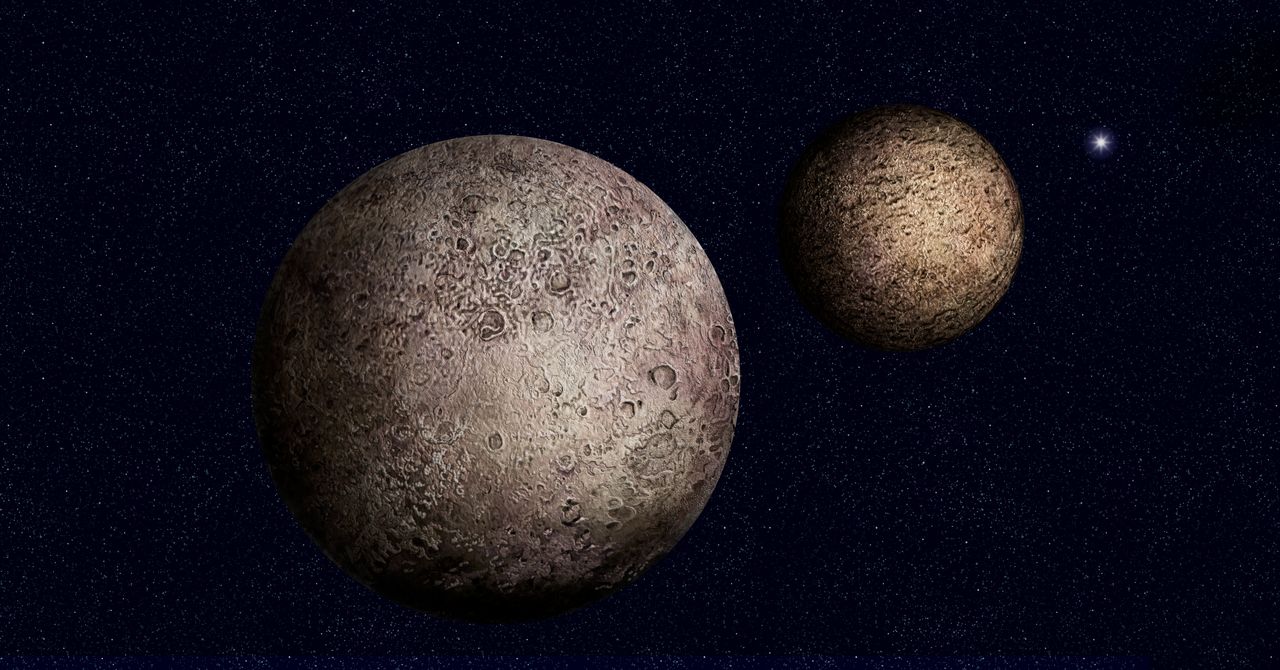 Astronomers Discover Mysterious Compound on Pluto and Titan
 British Startup Uses Microgravity to Study Age-Related Proteins in Space