
 Opinion piece warns of political and moral decline in the United States during America 250 celebrations
KillBait - News highlights delivered clearly and responsibly—no clickbait, no sensationalism
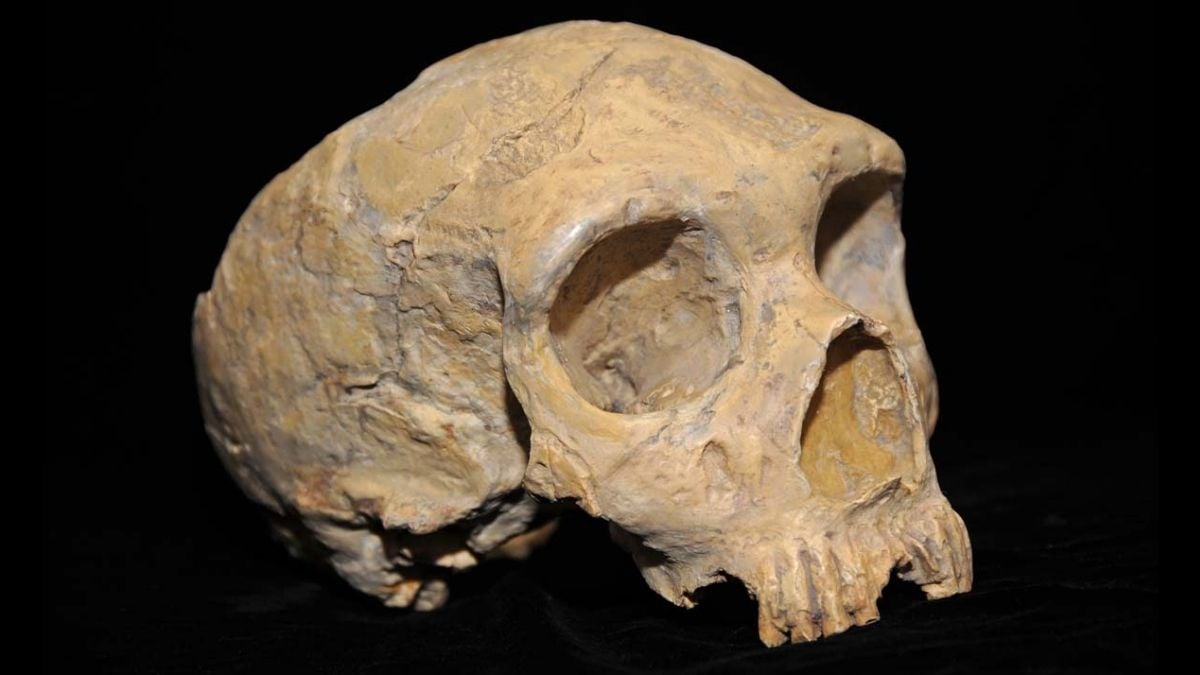
Photo: ScienceAlert
2026-06-26 17:43 Genetics 10 


New Genetic Study Finds Late Neanderthals Were Not Highly Inbred
A new study analyzing ancient DNA from 27 Neanderthal individuals suggests that the last surviving Neanderthal populations in northwestern Europe were not heavily affected by inbreeding, challenging long-standing theories about their extinction.
The research, led by evolutionary anthropologist Alba Bossoms Mesa and colleagues from the Max Planck Institute for Evolutionary Anthropology, reexamined genetic remains from sites in Belgium and France dating to less than 52,500 years ago.
Some of these specimens, including Engis 2—the first Neanderthal ever discovered—have been in museum collections for decades or even centuries, with several only recently correctly identified as Neanderthals through modern analysis.The team’s high-resolution genomic study found no clear evidence of increasing genetic load or decreasing genetic diversity over time.
Instead, the data suggests that late Neanderthals in this region were part of a connected and genetically diverse population with relatively low levels of inbreeding.
This contrasts with earlier studies based largely on Neanderthal genomes from eastern Eurasia, such as those from Chagyrskaya and Denisova Caves, which showed higher levels of inbreeding and isolation.
The new findings indicate that geographic variation played a major role in shaping Neanderthal genetic health and that some populations remained well-connected across large regions.Researchers also highlight that Neanderthal extinction may not have been driven primarily by genetic deterioration, as previously thought.Instead, environmental pressures, demographic shifts, and interactions with modern humans likely played more complex roles.
Evidence continues to support interbreeding between Homo sapiens and Neanderthals, though the study notes that gene flow appears to have been mostly from Neanderthals into modern humans, with no clear evidence of recent modern human ancestry in Neanderthal genomes.
The findings add nuance to the debate over Neanderthal extinction, suggesting a more interconnected and regionally varied population history than previously understood.
2187
Original title: Ancient DNA Reveals a Genetic Surprise in The Last Neanderthals
The AI system has determined that this news is not clickbait/sensationalist: : The original title uses the phrase 'genetic surprise,' which adds mild sensational framing, but the article itself is scientific and explanatory rather than exaggerated or misleading. This has coincided with the opinion of the majority of users.
You may also be interested in...
Opinion piece warns of political and moral decline in the United States during America 250 celebrations
 Biographical Overview and Portraits of French Actress Suzy Vernon from the Silent Film Era
 U.S. trade deficit widens in June despite tariff policy, Commerce Department reports