
 Leonard Freed’s Photographs Document NYPD Life During New York City’s Turbulent 1970s
KillBait - News highlights delivered clearly and responsibly—no clickbait, no sensationalism
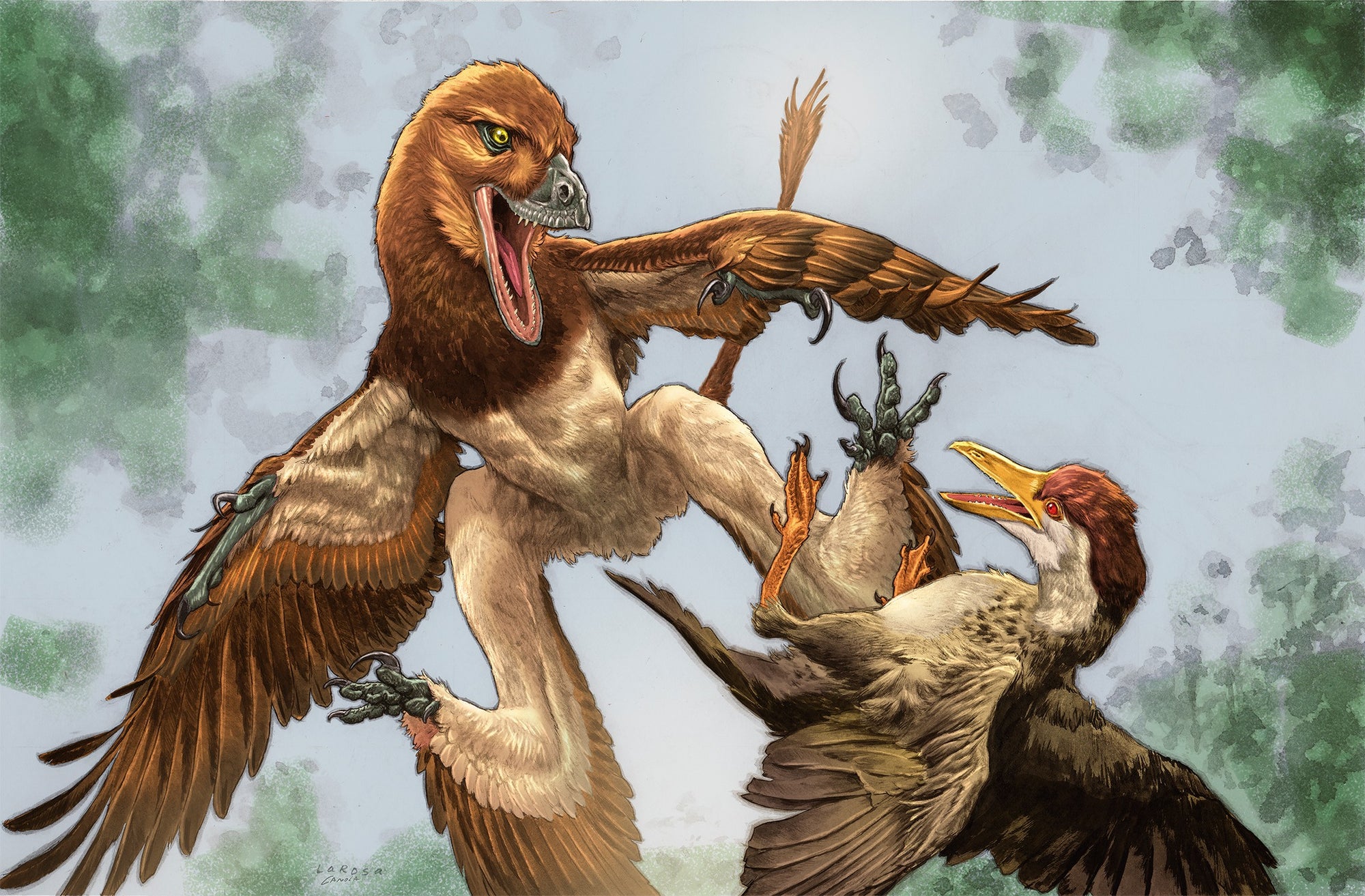
Photo: The Brighter Side of News
2026-06-08 11:22 Archeology 10 


New Microraptor Species Discovered in China May Have Been a Predator of Early Birds
Researchers have identified a new species of feathered dinosaur, Jian changmaensis, from the Lower Cretaceous Xiagou Formation in China's Changma Basin.
The discovery, described in the journal Annals of Carnegie Museum, represents the first formally identified non-avian dinosaur from a fossil site best known for its exceptionally rich collection of early bird remains.
The fossil consists of part of the shoulder girdle and forelimb, but its unique anatomical characteristics were sufficient for scientists to classify it as a new species within Microraptorinae, a group of small, bird-like dromaeosaur dinosaurs related to Velociraptor.
The Changma Basin has yielded more than 100 bird fossils, many belonging to Gansus yumenensis, as well as unusual clusters of broken bird bones that resemble pellets produced by modern predatory birds.For years, paleontologists suspected a predator was responsible for these remains but lacked direct evidence.
Researchers now suggest Jian changmaensis is the strongest candidate because it is the only known carnivorous non-bird dinosaur recovered from the site.
Unlike the crow-sized Microraptor species previously known from northeastern China, Jian appears to have been significantly larger, with an estimated wingspan of about four feet, comparable to that of a barn owl.Scientists believe it likely possessed feathers on both its forelimbs and hindlimbs, giving it a four-winged appearance.While probably incapable of sustained powered flight, it may have been able to glide between trees in a manner similar to modern flying squirrels.
The discovery expands the known geographic range of microraptor dinosaurs and provides valuable insight into the ecological relationships between early birds and their close dinosaur relatives.
It also helps researchers better understand the environments in which some of the earliest bird lineages evolved during the Early Cretaceous period approximately 120 million years ago.
Full reading at The Brighter Side of News
2187
Original title: Ancient Velociraptor cousin glided on four wings and hunted birds
The AI system has determined that this news is not clickbait/sensationalist: : The title accurately reflects the central findings of the article. While it is written to attract interest, it does not exaggerate the scientific evidence or make unsupported claims beyond what is discussed in the research. This has coincided with the opinion of the majority of users.
You may also be interested in...
Leonard Freed’s Photographs Document NYPD Life During New York City’s Turbulent 1970s
 The Economic Impact of Broadcast Dead Air: Lessons from 20 Years of Radio Station Outages
 Israel Conducts Strikes on Iran Following Iranian Missile Attack Amid Escalating Tensions