
 New Study Reveals How Second Pregnancies Alter Brain Structure and Function
KillBait - News highlights delivered clearly and responsibly—no clickbait, no sensationalism
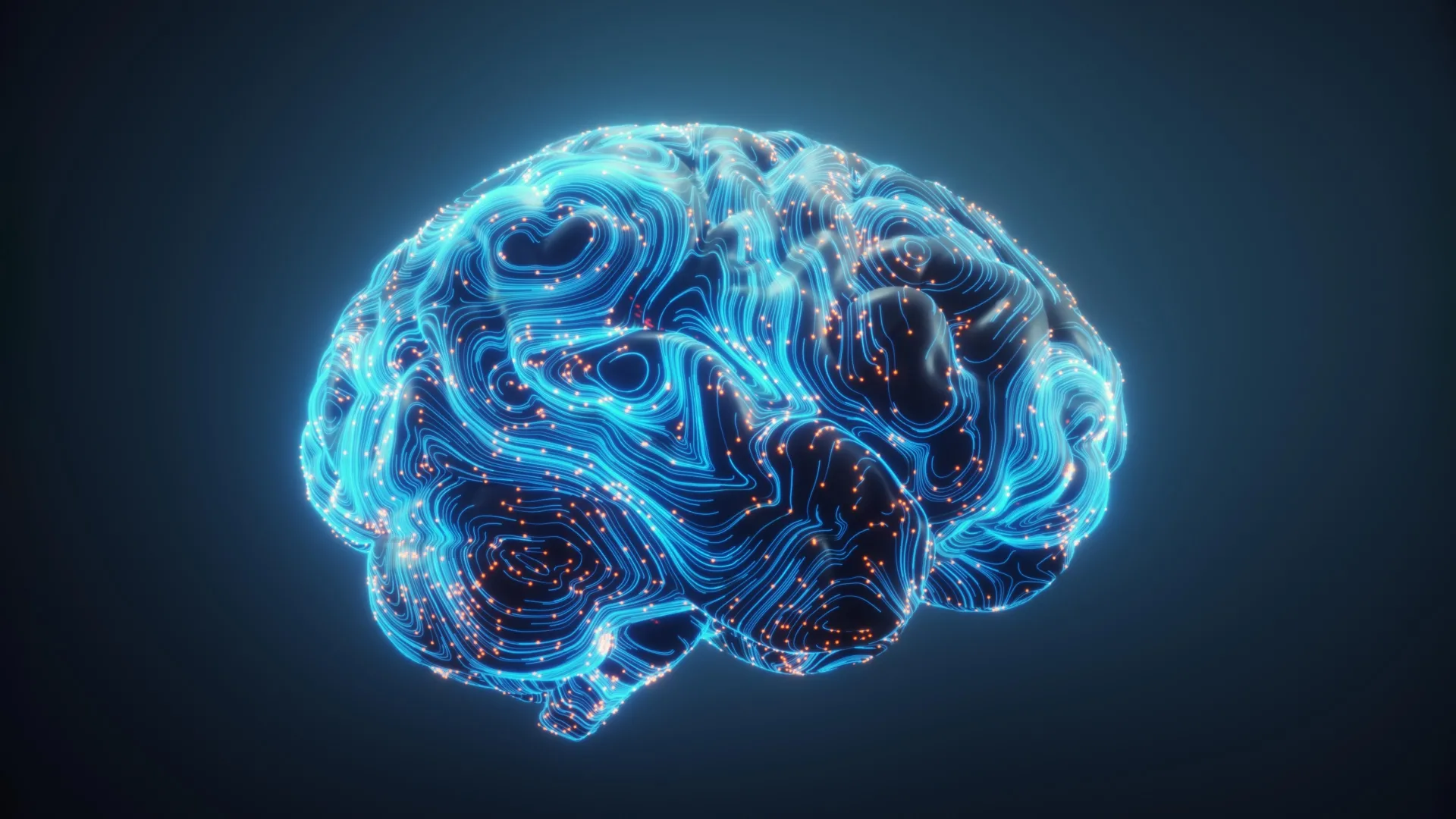
Photo: ScienceDaily
2026-07-13 02:29 Neuroscience 10


New Study Reveals How the Brain Rewires for Multitasking
A recent study published in the Journal of Cognitive Neuroscience sheds light on how the human brain adapts to multitasking by reorganizing neural pathways.
Researchers at Georgetown University Medical Center found that the brain employs modular 'cognitive blocks' to manage complex tasks, a concept previously explored by Princeton University in 2025.
The study highlights that the prefrontal cortex plays a critical role in parsing and storing memory fragments, while the hippocampus handles overall experiences.This rewiring allows individuals to switch between tasks efficiently, challenging the notion that multitasking is inherently inefficient.The findings have implications for understanding productivity, cognitive science, and even artificial intelligence.
The research also addresses long-standing debates about whether the brain operates through unified systems or separate modules for memory and attention.
By demonstrating the brain's adaptability, the study offers new insights into how neural plasticity enables multitasking, potentially influencing fields like education, workplace design, and therapeutic interventions for cognitive disorders.
2186
Original title: Scientists discover how the brain rewires itself to truly multitask
The AI system has determined that this news is clickbait/sensationalist: : The original title uses hyperbolic language like 'discover' and 'truly multitask,' which exaggerates the novelty of the findings. The phrase 'truly multitask' implies a definitive breakthrough, which may mislead readers about the study's scope. This has coincided with the opinion of the majority of users.
You may also be interested in...
New Study Reveals How Second Pregnancies Alter Brain Structure and Function
 Researchers Identify Promising Drug Target for Motor Neurone Disease Treatment
 Trump administration subpoenas journalists over Air Force One story, experts call it troubling