
 Heat-related health impacts persist as Canada recovers from recent heatwave
KillBait - News highlights delivered clearly and responsibly—no clickbait, no sensationalism
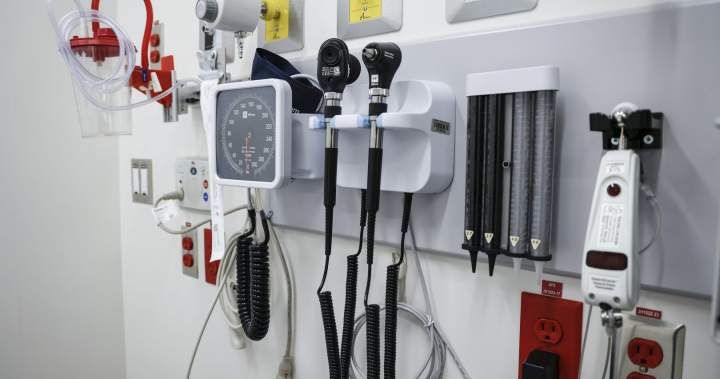
Photo: Global News
2026-07-07 20:11 Health 10


New UK Study Suggests Blood Test Could Revolutionize Endometriosis Diagnosis
A groundbreaking study from the University of Edinburgh suggests that a blood test analyzing hormone levels could significantly improve the diagnosis of endometriosis.
Researchers examined hormone profiles in 159 women with confirmed endometriosis and 57 without the condition, discovering a distinct 'hormone fingerprint' linked to the disease.
The study identified elevated levels of previously overlooked androgens (often referred to as 'male hormones') in those with endometriosis, achieving a 95% accuracy rate in distinguishing between affected and unaffected individuals.Dr.
Douglas Gibson, the lead researcher, emphasized that these findings challenge the traditional view of endometriosis as an estrogen-driven disorder, opening new avenues for earlier diagnosis and innovative treatments.
Endometriosis affects an estimated 10% of reproductive-age women globally, yet it often takes 7-10 years to diagnose due to lack of awareness and normalization of menstrual pain.Current diagnosis relies on laparoscopic surgery, a minimally invasive procedure that involves abdominal incisions to detect the condition.
The study highlights the potential of non-invasive methods, such as blood tests or specialized imaging, to address diagnostic delays and improve patient outcomes.
While the research is promising, further validation is needed before clinical application, offering hope for more accessible and effective care for millions of women worldwide.
2186
Original title: Endometriosis could be diagnosed via blood test, U.K. study finds
The AI system has determined that this news is clickbait/sensationalist: : The original title uses hyperbolic language like 'could be diagnosed' and 'breakthrough,' which exaggerates the study's implications and prioritizes sensationalism over factual reporting. This has coincided with the opinion of the majority of users.
You may also be interested in...
Heat-related health impacts persist as Canada recovers from recent heatwave
 BC Nurses' Union to Picket Vancouver General Hospital Amid Strike Dispute
 Study connects leafy greens to improved lung health