
 AI's Impact on Literature and the Role of Human Creativity
KillBait - News highlights delivered clearly and responsibly—no clickbait, no sensationalism
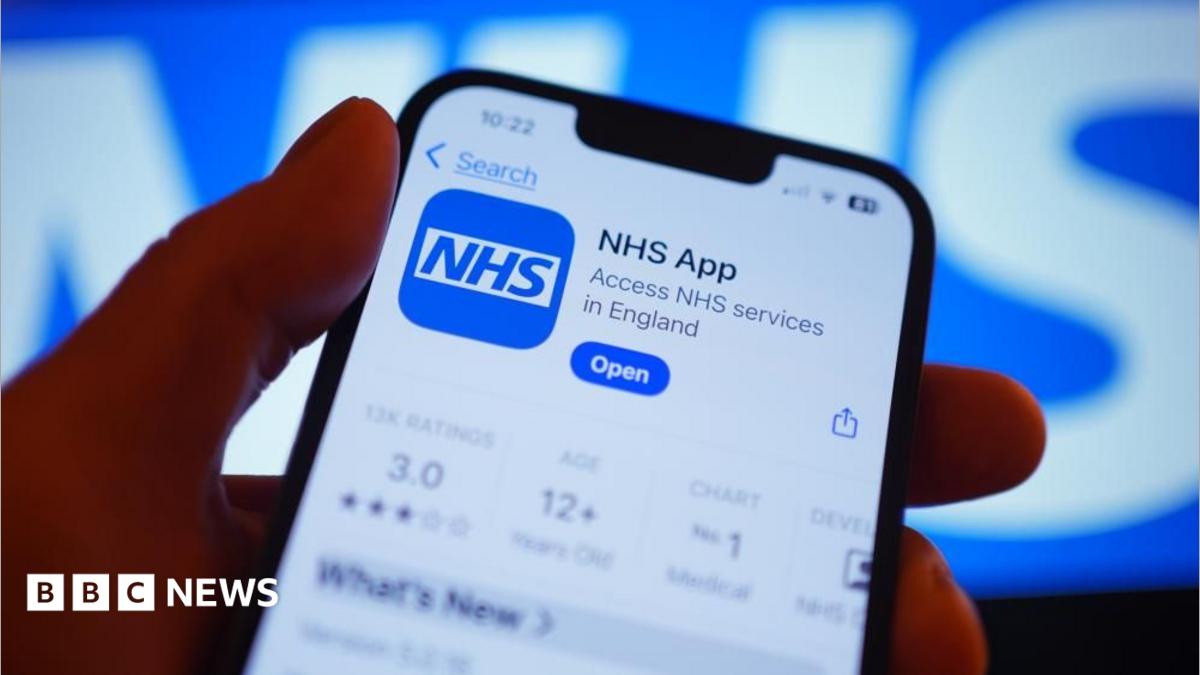
Photo: BBC
2026-07-05 04:43 Artificial intelligence 14


NHS Introduces AI Triage Tool to Streamline Patient Care
The NHS has announced the integration of artificial intelligence into its app to enhance patient care by directing individuals to the most appropriate service.
The new triage tool will ask patients a series of questions to determine whether they should be directed to a GP appointment, pharmacy, A&E, community service, or receive self-care advice.
This update aims to reach over 200,000 patients within the next 12 months, with full availability by April 2028 as part of a broader technological overhaul.
The initiative has been largely welcomed, though health bodies have emphasized the need to prioritize patient safety, confidentiality, and inclusion as AI reliance increases.An initial trial at Wealden Ridge Medical Partnership in Sussex reported a 29% reduction in phone queue times.Dr.Ragu Rajan noted that the tool allows patients to communicate their needs directly, freeing clinicians to focus on critical cases.NHS England's chief executive, Sir Jim Mackey, highlighted the tool's potential to ensure patients receive the right care promptly.
The project is part of a £10bn investment to modernize NHS technology, including AI-driven conversation recording for real-time transcriptions and clinical summaries.
Trials show AI note-taking tools increase clinician-patient interaction time by 25%, though concerns about data security and digital exclusion remain.
The Royal College of Nursing and think-tank experts stress the importance of balancing technological advancement with ethical considerations and equitable access.
2257
Original title: NHS app to use AI to determine which service best for patients
The AI system has determined that this news is clickbait/sensationalist: : The original title uses hyperbolic language like 'best for patients' which is commonly used in clickbait headlines to attract attention. This has coincided with the opinion of the majority of users.
You may also be interested in...
AI's Impact on Literature and the Role of Human Creativity
 Guide to Obtaining Call of Duty MW4 Beta Code Access
 Age-related Fertility Challenges Persist Even With Donor Eggs