
 Opinion: Criticism of Steven Guilbeault’s environmental legacy and federal climate policy approach
KillBait - News highlights delivered clearly and responsibly—no clickbait, no sensationalism
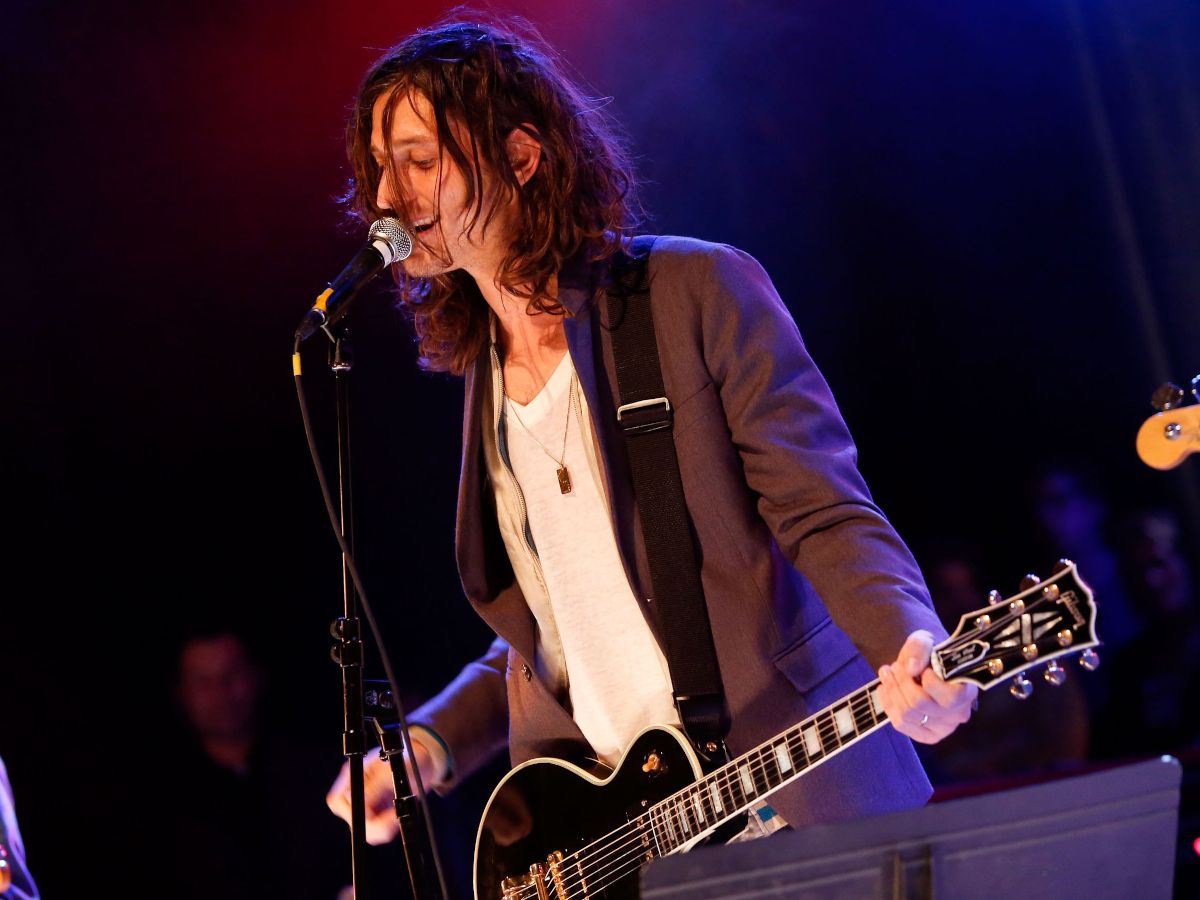
Photo: nationalpost
2026-06-07 13:22 Opinion 10 


Nick Valensi’s silence highlights an alternative approach to pro-Israel advocacy
In this opinion piece, Yoni Goldstein argues that silence can be a deliberate and effective form of pro-Israel advocacy, using Strokes guitarist Nick Valensi as a case study.
The article contrasts the dominant approach within many Jewish and pro-Israel communities—actively countering criticism and antisemitism—with Valensi’s apparent decision to disengage publicly after controversial remarks by his bandmate, Julian Casablancas.Casablancas made statements criticizing Zionism and drawing provocative comparisons during public appearances, which drew backlash.
Shortly afterward, Valensi, who is Jewish and has spoken about his strong cultural and religious identity, stepped away from performing with the band without issuing any public explanation.Goldstein suggests this silence may be intentional rather than passive, framing it as a strategic withdrawal rather than avoidance.The author explores psychological and social perspectives on silence, noting it can be both a stress response and a conscious tactic.Research is cited to suggest that silence can reduce emotional strain, allow for reflection, and even increase influence in certain contexts.
Goldstein contrasts this with the current tendency among pro-Israel advocates to respond immediately and forcefully to criticism, arguing that such responses can sometimes entrench opposition rather than persuade.Examples are provided where direct engagement has had mixed outcomes.While some individuals have changed their views after exposure to firsthand accounts of violence, others have doubled down on their positions.
Goldstein also raises concerns about internal criticism within the Jewish community, suggesting it can be exploited by opponents to undermine broader arguments.
Ultimately, the article proposes that not every provocation requires a response and that silence, when used deliberately, can signal refusal to engage with what the author characterizes as bad-faith arguments.Valensi’s approach is presented as a potentially valuable alternative model in a highly polarized environment.
2186
Original title: Yoni Goldstein: How a rock star is quietly leading the way on pro-Israel activism
The AI system has determined that this news is not clickbait/sensationalist: : The title reflects the article’s central argument about a rock musician’s indirect influence on pro-Israel advocacy without exaggeration or misleading claims. This has coincided with the opinion of the majority of users.
You may also be interested in...
Opinion: Criticism of Steven Guilbeault’s environmental legacy and federal climate policy approach
 Readers debate environmental leadership, politics, and public policy in June 1 letters
 Kerry-Lynne Findlay wins B.C. Conservative leadership amid party divisions and calls for unity