
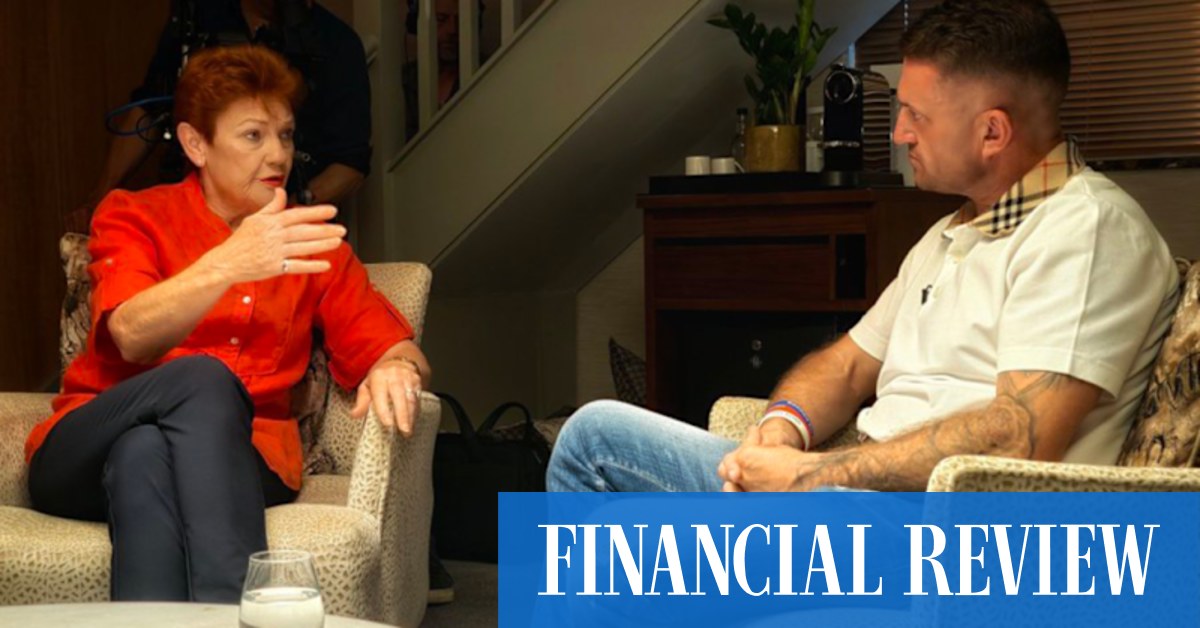
 Pauline Hanson and Tommy Robinson discuss political strategies in a podcast
KillBait - News highlights delivered clearly and responsibly—no clickbait, no sensationalism
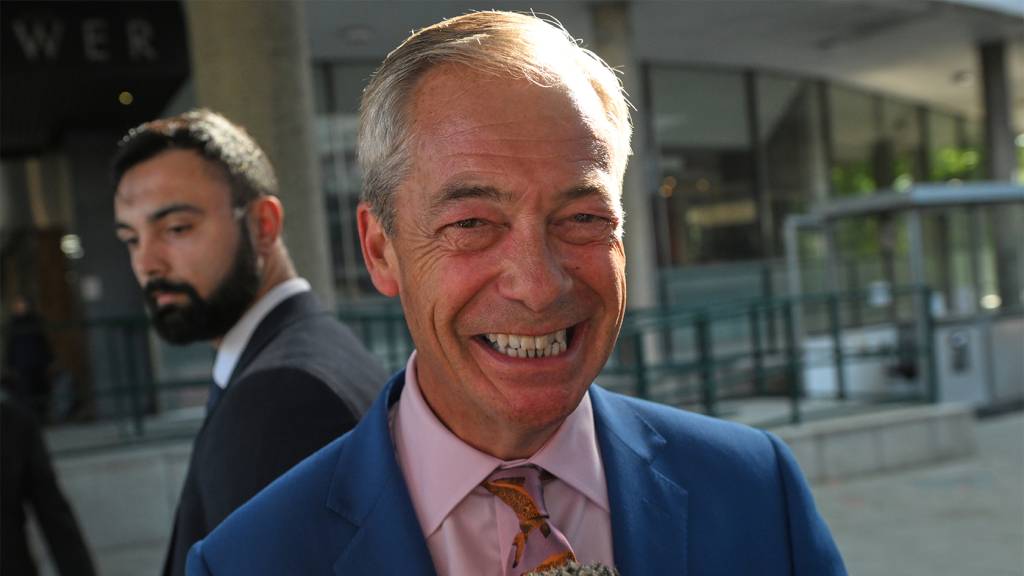
Photo: Crikey
2026-07-09 07:55 Politics 11


Nigel Farage Resigns as MP for Clacton, Plans to Run Again
Nigel Farage, the UK Independence Party leader, has announced his resignation as MP for Clacton, triggering a by-election.Despite claims of seeking to challenge 'the establishment' and clear his name following media scrutiny, critics argue his resignation is a calculated move to regain political relevance.Academic analysis suggests Farage's decision reflects a blend of self-pity, strategic positioning, and a desire to reclaim public attention.The article explores his motivations, including frustrations with media portrayal and the potential for a political comeback.While Farage's video message to supporters was met with skepticism, the by-election presents an opportunity to test his appeal.This development highlights ongoing tensions within UK politics, particularly around media influence and the viability of populist figures.
The piece also examines broader implications for the Conservative Party and the political landscape in Clacton, a constituency with significant Brexit-era support.
Academic contributors note that Farage's actions underscore the challenges faced by politicians navigating public perception and media scrutiny in modern politics.
2206
Original title: Why ‘self-pitying’ Nigel Farage is resigning as an MP, only to stand again
The AI system has determined that this news is clickbait/sensationalist: : The original title uses hyperbolic language like 'self-pitying' and 'self-obsessed' to sensationalise Farage's actions, which is typical of clickbait tactics. The phrase 'only to stand again' implies a dramatic narrative that may not fully reflect the nuanced political motivations discussed in the article. This has coincided with the opinion of the majority of users.
You may also be interested in...
Pauline Hanson and Tommy Robinson discuss political strategies in a podcast
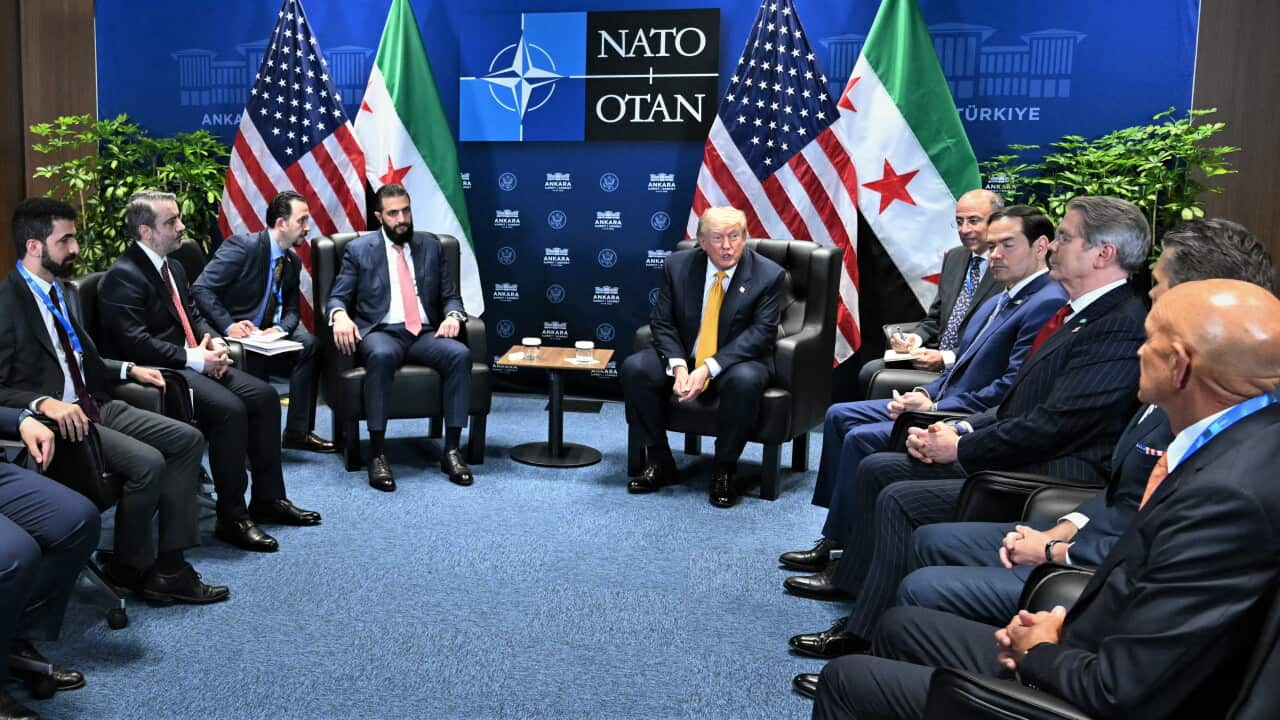 Trump's Contradictory Stance at NATO Summit: From Criticism to Unity
 US Sanctions and Oil Blockade Impact Life in Cuba