
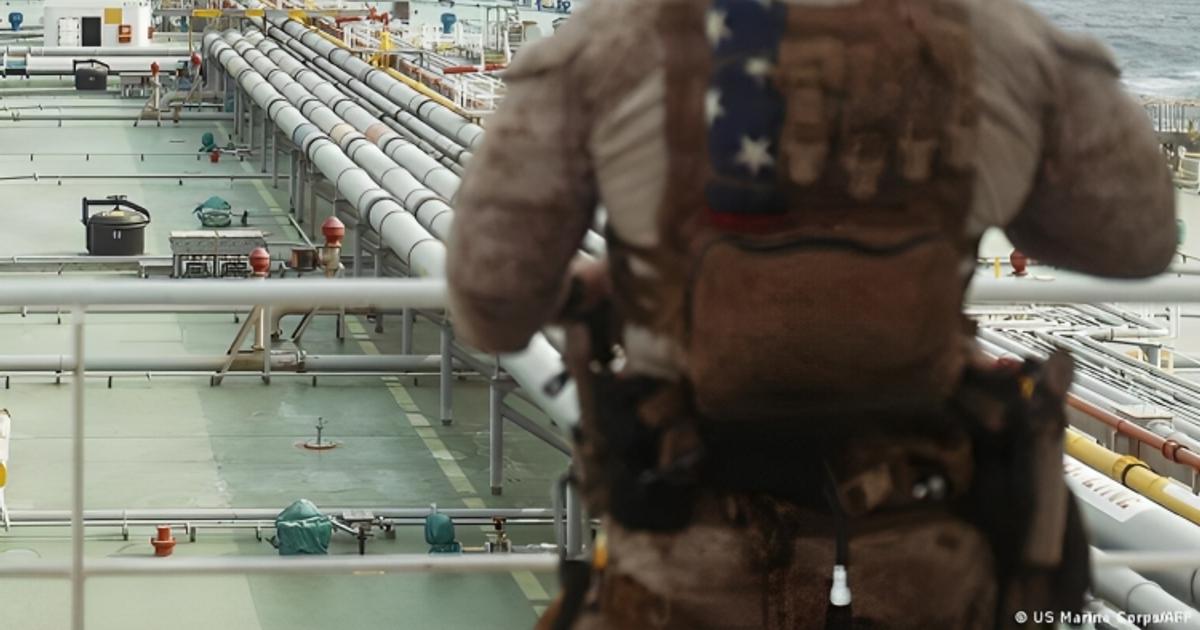
 US and Iran escalate military conflict after soldier deaths
KillBait - News highlights delivered clearly and responsibly—no clickbait, no sensationalism

Photo: Businessday NG
2026-07-20 03:36 Conflict 10


Nigerian children face malnutrition crisis linked to Iranian war and economic strain
The article highlights how the Iranian war's economic fallout is worsening malnutrition and poverty in Nigeria, particularly affecting children.Rising fuel prices from the conflict have led to higher living costs, making it hard for families to afford nutritious food.Maryam Aminu, a mother in Sokoto, shares her struggle as her child faces repeated malnutrition diagnoses.Local health workers note a surge in malnourished children due to disrupted supply chains and inflation.UNICEF warns that up to 23.4 million children could fall into poverty by year-end, with 80% in Africa and Asia.The war has also impacted fertilizer prices, threatening farming communities.Families like Aminu's are caught in a cycle of economic hardship, with fuel costs soaring and basic meals becoming unaffordable.
Analysts stress that the conflict's ripple effects are compounding existing challenges like insurgency and food insecurity, with long-term consequences for children's development and education.
Full reading at Businessday NG
2187
Original title: Nigerian children pay the price of Iranian war as malnutrition and poverty surge
The AI system has determined that this news is clickbait/sensationalist: : The original title uses dramatic language like 'pay the price' and 'surge' to grab attention, which is more sensational than factual. It implies a direct causal link between the Iranian war and the crisis, which is partially accurate but exaggerated for impact. This has coincided with the opinion of the majority of users.
You may also be interested in...
US and Iran escalate military conflict after soldier deaths
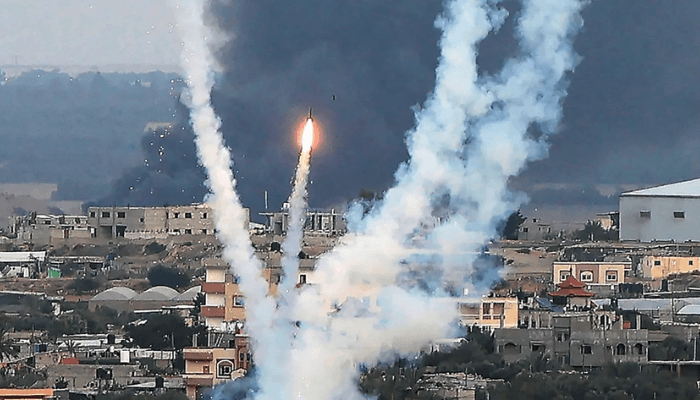 US and Iran escalate conflict over troop deaths and regional tensions
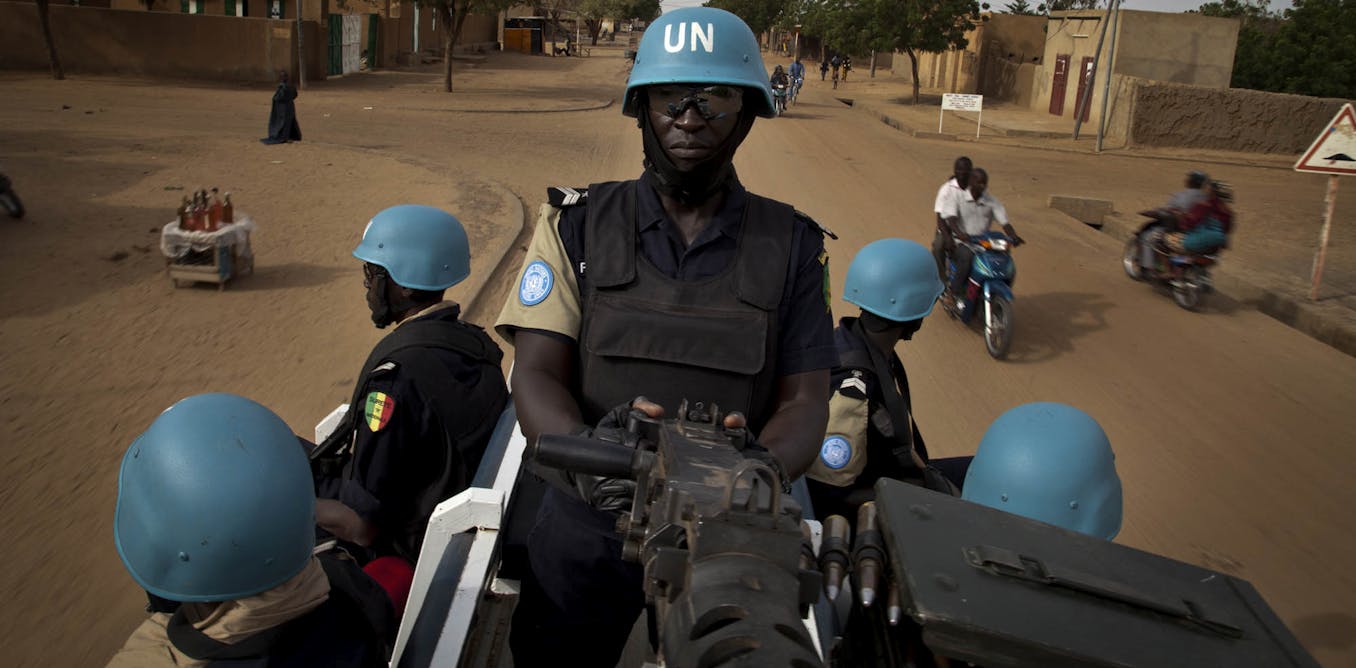 Long-term political violence impacts child safety in nine African nations