
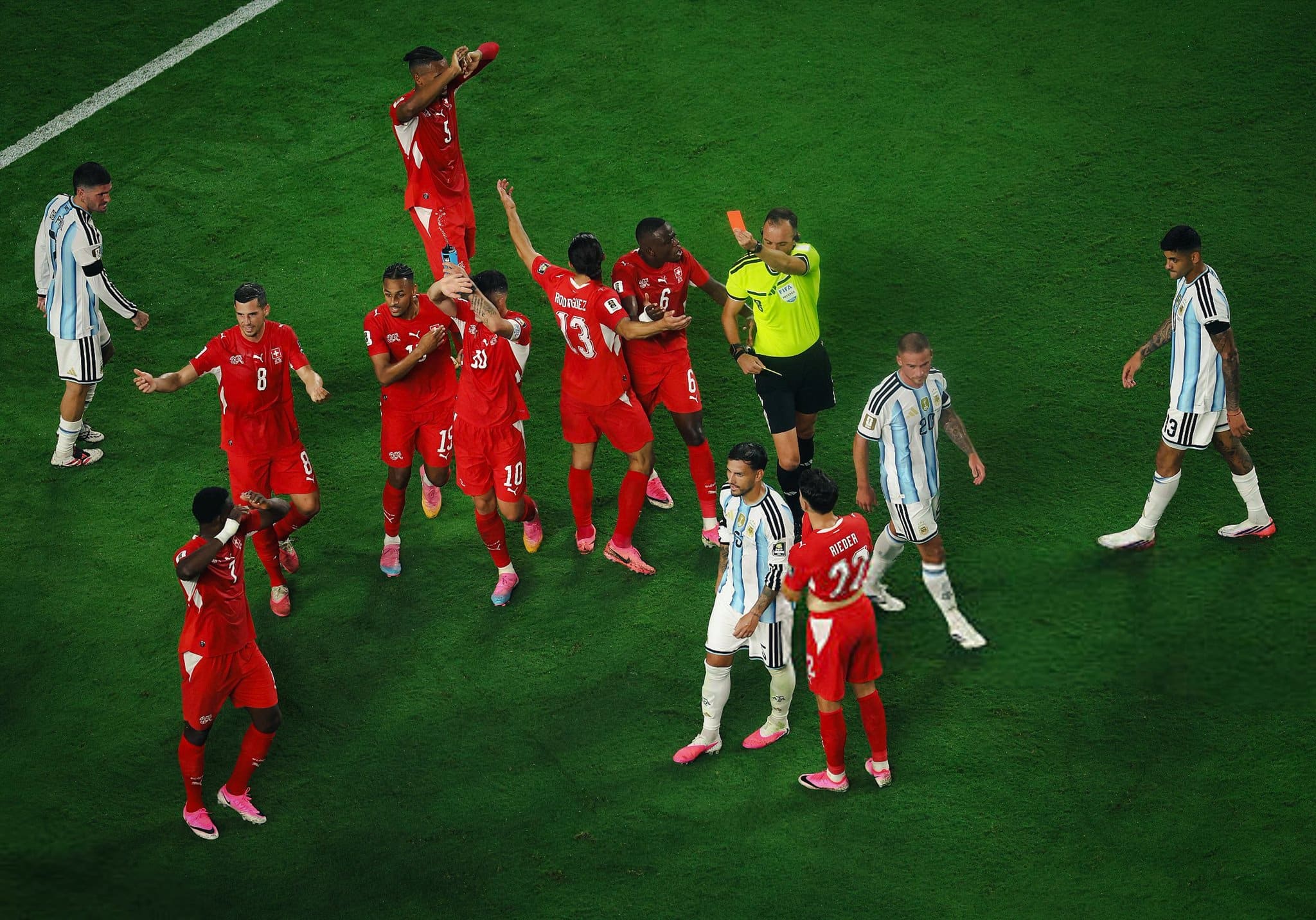
 UEFA Clarifies VAR Guidelines On Mistaken Identity And Simulation
KillBait - News highlights delivered clearly and responsibly—no clickbait, no sensationalism
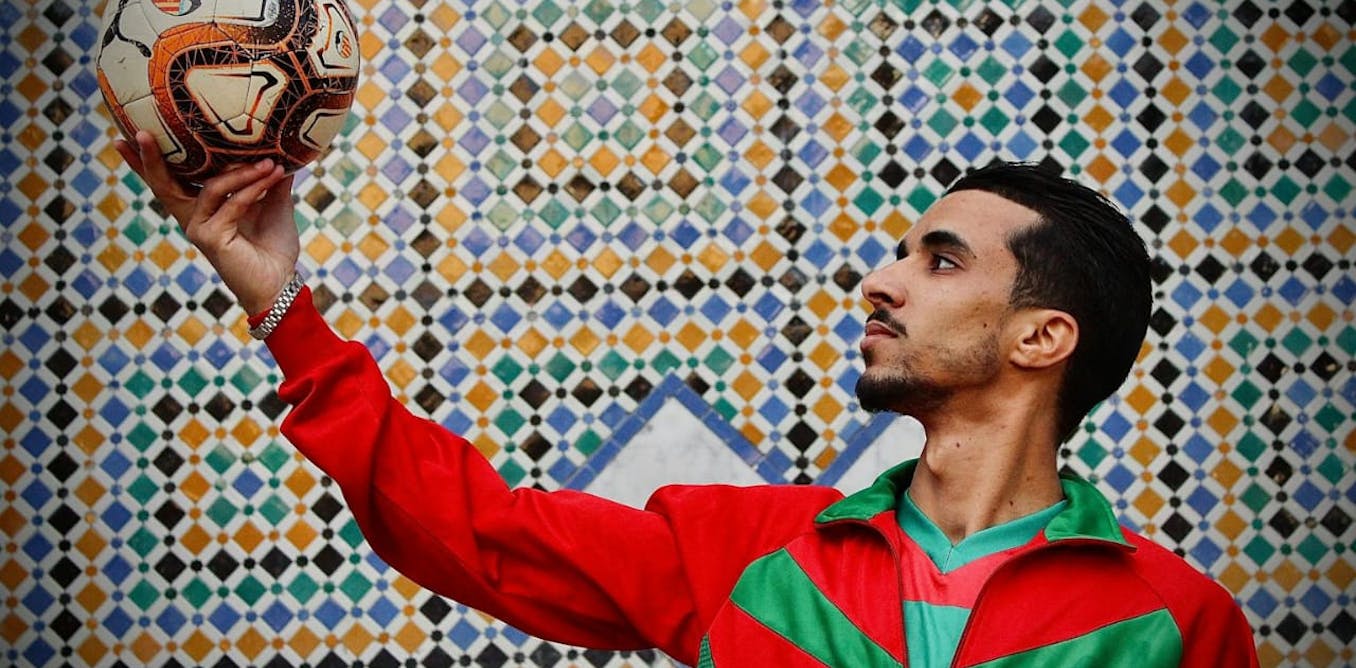
Photo: The Conversation
2026-07-17 20:47 Sports 10


North African Football Teams' World Cup Performances Highlight Institutional Challenges and Success Factors
The article analyzes the contrasting performances of North African football teams in the recent World Cup, focusing on institutional factors rather than individual talent.
Morocco's hybrid model combining domestic academies and diaspora talents achieved two consecutive quarterfinals, while Egypt's strong national league remains a viable foundation.
Algeria faces challenges with foreign coaches and lack of institutional continuity, whereas Tunisia's frequent coaching changes and poor governance led to disastrous results.
The piece emphasizes that success in football requires stable institutions, long-term strategies, and effective integration of local and international talent.It argues that the continent's potential is often hindered by systemic issues rather than technical shortcomings.
Key takeaways include the importance of investing in youth academies, avoiding short-sighted coaching hires, and creating sustainable football ecosystems to compete globally.
Full reading at The Conversation
2186
Original title: Les équipes nord-africaines de la Coupe du monde ont montré ce qui fonctionne… et ce qui ne fonctionne pas
The AI system has determined that this news is clickbait/sensationalist: : The original title uses a sensationalist contrast between success and failure to grab attention, which is typical of clickbait headlines. The phrase 'montré ce qui fonctionne… et ce qui ne fonctionne pas' (shown what works... and what doesn't) creates an exaggerated dichotomy that isn't fully supported by the article's nuanced analysis. This has coincided with the opinion of the majority of users.
You may also be interested in...
UEFA Clarifies VAR Guidelines On Mistaken Identity And Simulation
 Barcelona reveals UNICEF charity event behind Messi's famous photo with baby Lamine Yamal
 FIFA adds championship rings to 2026 World Cup celebrations