
 AI Chip Startup Etched Achieves $10.3B Valuation Despite Skepticism
KillBait - News highlights delivered clearly and responsibly—no clickbait, no sensationalism
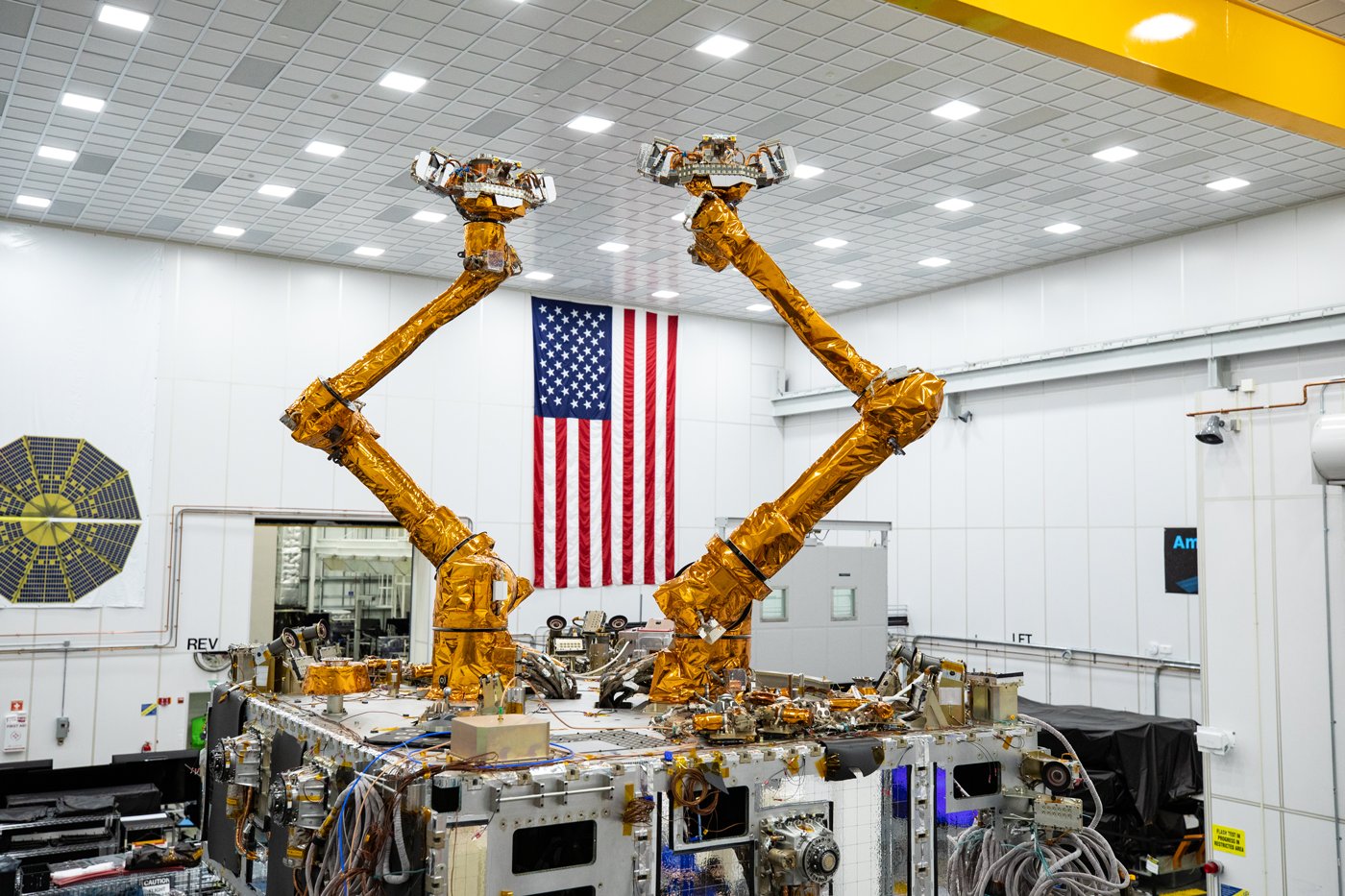
Photo: Eureka
2026-07-24 00:27 Technology 17


Northrop Grumman's MRV-1 Satellite Extends Lifespan of Geostationary Satellites
On July 21, 2026, a Falcon 9 Block 5 rocket launched the MRV-1 satellite, developed by Northrop Grumman, into geostationary orbit.This satellite features two robotic arms designed for repairing and extending the operational life of other geostationary satellites.The MRV-1, weighing 3 tons, is part of a program led by DARPA and the U.S.Naval Research Laboratory (NRL).Its robotic arms, named RAS-1 and RAS-2, can perform precise inspections and repairs, with seven degrees of freedom for intricate tasks.The satellite carries three Mission Extension Pods (MEPs), each capable of adding up to six years of service to target satellites.These MEPs, weighing 350 kg each, use solar panels to generate 1.5 kilowatts of power and will autonomously maneuver to connect with satellites in geostationary orbit.The MRV-1 also includes a Passive Refueling Module for refueling, enabling extended missions.This technology builds on previous efforts like the MEV-1 and MEV-2 satellites, which successfully extended the life of aging satellites.
The MRV-1's capabilities highlight the growing trend of robotic servicing in space, addressing the challenge of maintaining geostationary satellites amid orbital debris and gravitational perturbations.The mission underscores the strategic importance of geostationary orbit, with implications for both commercial and military applications.
2299
Original title: Lanzado el MRV-1, el satélite con brazos robóticos que debe alargar la vida de otros satélites geoestacionarios
The AI system has determined that this news is not clickbait/sensationalist: : The original title is informative and directly references the satellite's purpose without sensationalism. This has coincided with the opinion of the majority of users.
You may also be interested in...
AI Chip Startup Etched Achieves $10.3B Valuation Despite Skepticism
 ServiceNow invests $40M in BusinessNext to boost AI-driven financial services expansion
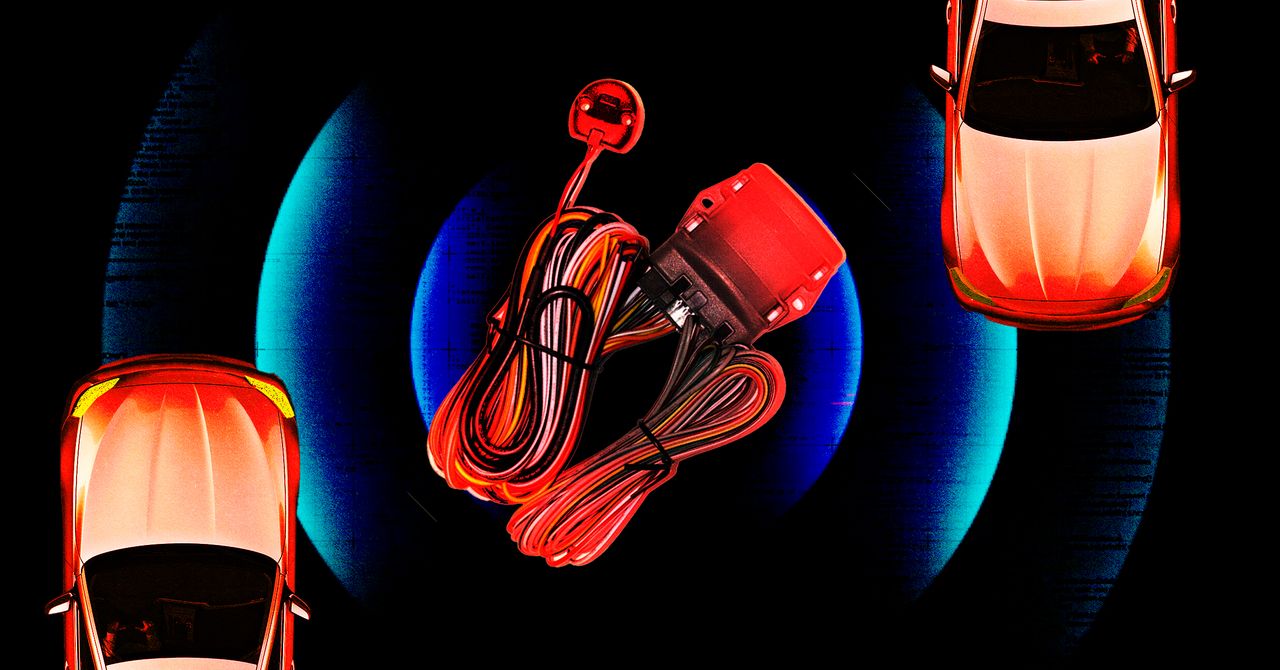 Researchers Warn Millions of Cars Are Vulnerable to Bluetooth Hacking via KARR Devices