
 High inspection fees and rising rents worsen Lagos housing shortage in Lagos
KillBait - News highlights delivered clearly and responsibly—no clickbait, no sensationalism
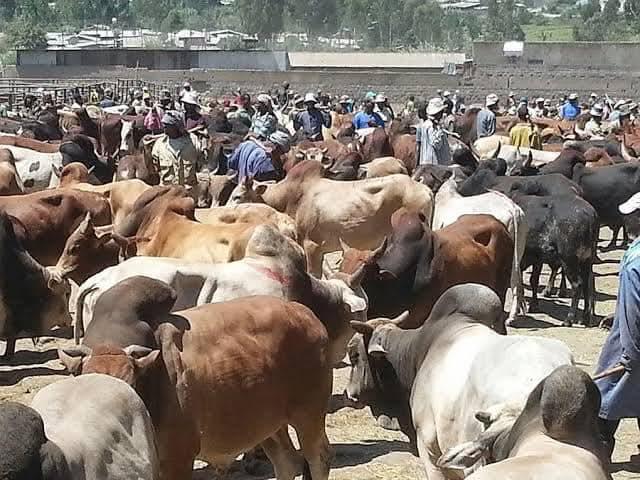
Photo: Businessday NG
2026-05-25 10:38 Economy 11 


Northwest families pool resources as livestock prices surge ahead of Eid-el-Kabir
As Eid-el-Kabir dey approach with less than a week remaining, livestock prices across Northwest Nigeria don sharply rise, pushing many Muslim families to rethink how dem go afford sacrificial animals.
In states like Kano, Katsina, Jigawa, Sokoto, Zamfara, Kebbi and Kaduna, traders report weak demand despite plenty animals for markets, as household purchasing power continue to reduce under economic pressure.
In Kano, especially Naibawa and Hotoro livestock markets, sellers like Ibrahim Yunusa and Alhaji Abba Yau say ram prices don almost double compared to last year.
Medium rams wey dey sell around N300,000 now cost above N500,000, while larger ones wey previously cost about N400,000 now range from N700,000 up to N1.3 million.At Hotoro, rams wey sell for around N200,000 last year now go for between N350,000 and N450,000.
Because of this increase, many families don begin to pool money together, with relatives, neighbours and friends contributing to buy cows or camels instead, since Islamic tradition allow up to seven people to jointly sacrifice one animal.In Wudil and Danbatta, residents say dem dey already arrange collective purchases to cope with cost.A civil servant, Musa, explained say individual ram purchase no longer realistic for many households due to rising living expenses.
Even cows and camels, although more expensive, still offer shared value, with camels rising from about N400,000 to around N700,000 and larger animals reaching up to N1.4 million.In Kebbi State, markets in Ambursa and Kalgo also reflect slow sales despite many animals available.Prices there range from N100,000 to N1 million depending on size, but buyers dey postpone purchases in hope of price drop before Eid.Traders blame insecurity, high transport costs, expensive feed, and fuel price increases for the surge.
Some sellers now move livestock into neighbourhoods and streets to attract buyers, but demand remains weak as families continue to struggle with affordability challenges across the region.
Full reading at Businessday NG
2208
Original title: Soaring livestock prices force Northwest families to share sacrificial rams
The AI system has determined that this news is not clickbait/sensationalist: : The original title is descriptive and accurately reflects the main issue of rising livestock prices and its impact on families; it is not exaggerated or misleading, so it is not considered clickbait. This has coincided with the opinion of the majority of users.
You may also be interested in...
High inspection fees and rising rents worsen Lagos housing shortage in Lagos
 Uwaleke Urges Stronger Agricultural Support as Nigeria Faces Rising Food Insecurity
 Nigerian Governors Discuss Possible Increase of Minimum Wage to N100,000 Amid Economic Pressure