
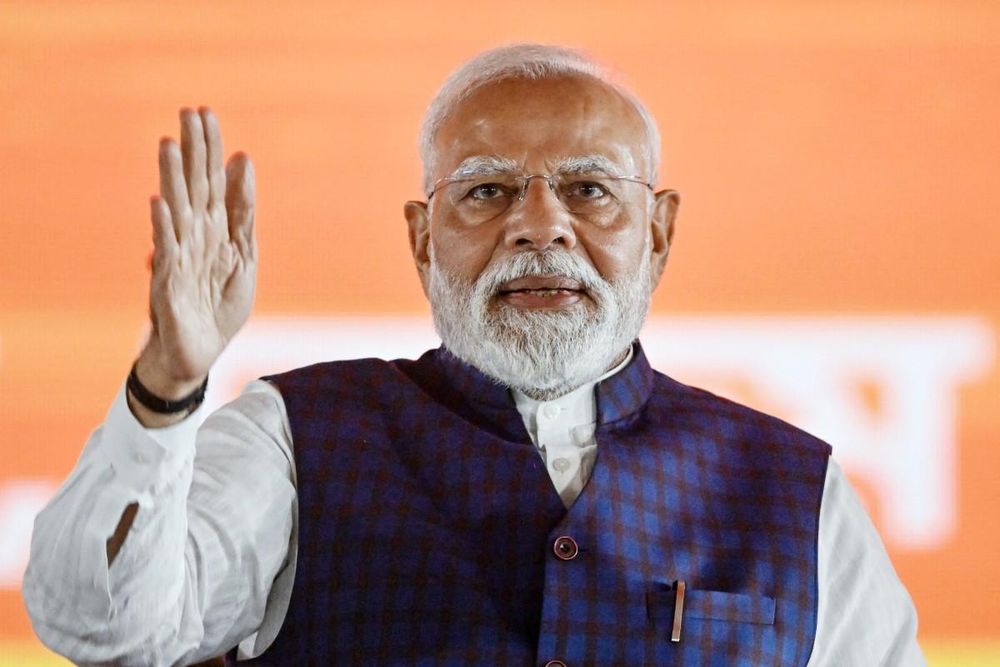
 India's Water Policy Shift: Reclaiming Indus Waters for Farmers
KillBait - News highlights delivered clearly and responsibly—no clickbait, no sensationalism
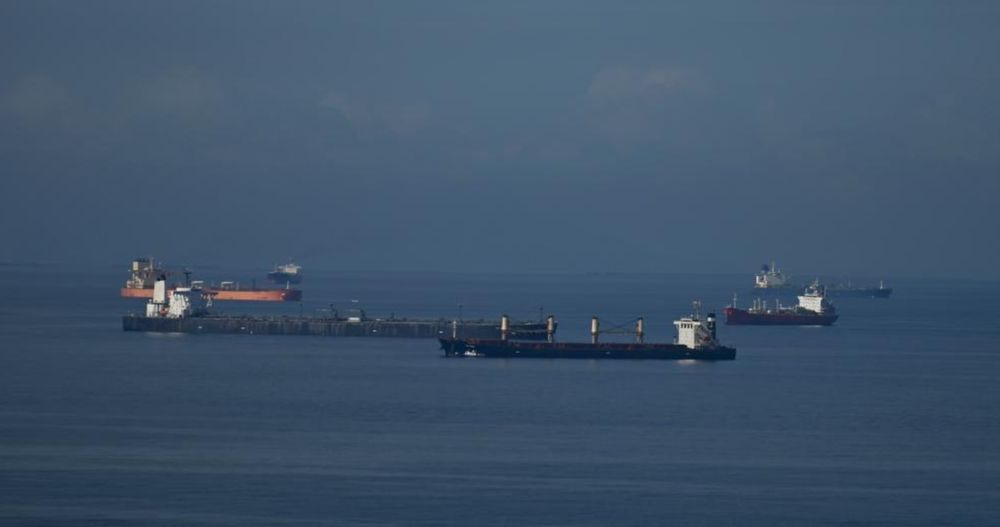
Photo: IOL
2026-07-10 13:42 Geopolitics 10


Oil Market Adjusts to Oversupply Amid Geopolitical Volatility
The article highlights the disconnect between geopolitical events, such as tanker attacks in the Strait of Hormuz, and the underlying trends in the oil market.
Despite spikes in prices due to attacks and military actions, the broader context shows a market already grappling with surplus supply, falling prices, and reduced reliance on Middle Eastern oil.OPEC+ has begun unwinding production cuts, and forecasts indicate a potential global surplus of 3 million barrels per day by next year.The industry is shifting focus towards efficiency and scale rather than scarcity premiums.Meanwhile, natural gas is rising as a key energy export, with investments in infrastructure and projected growth in electricity generation.The piece underscores the resilience of markets to geopolitical shocks, emphasizing a long-term trend toward abundance rather than scarcity.Investors are advised to focus on fundamentals, as short-term volatility does not reflect the market's underlying direction.
2186
Original title: How a Week of Tanker Attacks Exposed an Oil Market Already Bracing for Glut
The AI system has determined that this news is clickbait/sensationalist: : The original title emphasizes sensational geopolitical events (tanker attacks) as the central narrative, while the content focuses more on market trends and oversupply, making it clickbait. This has coincided with the opinion of the majority of users.
You may also be interested in...
India's Water Policy Shift: Reclaiming Indus Waters for Farmers
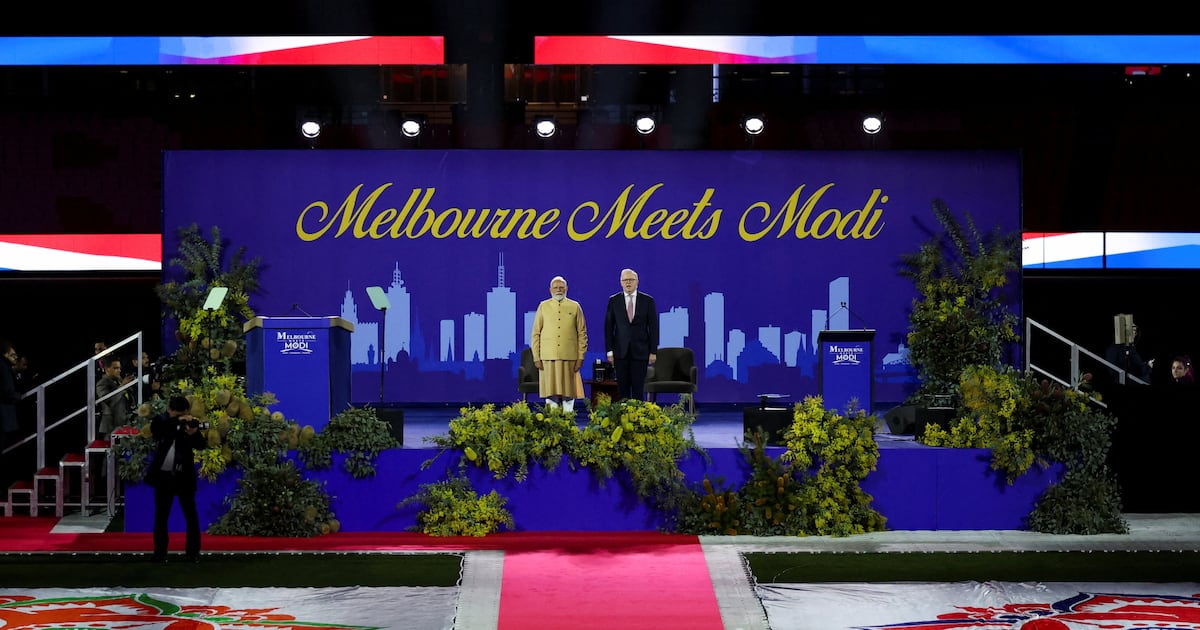 Australia and India agree to uranium exports for nuclear energy collaboration
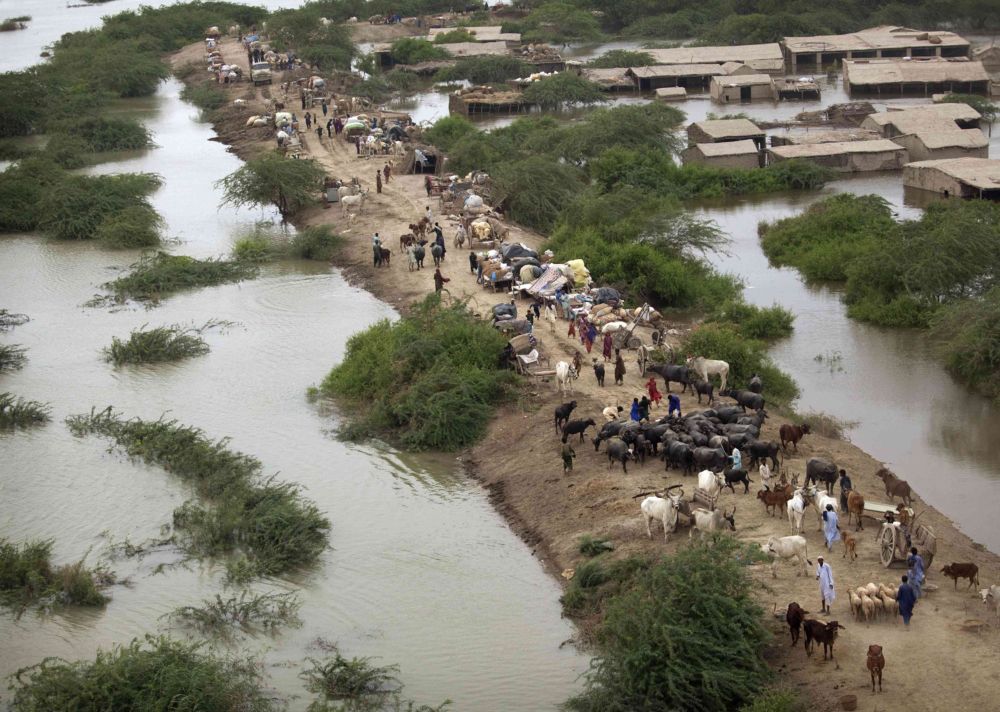 Pakistan's Water Crisis: A Call for Internal Reform Over Blame