
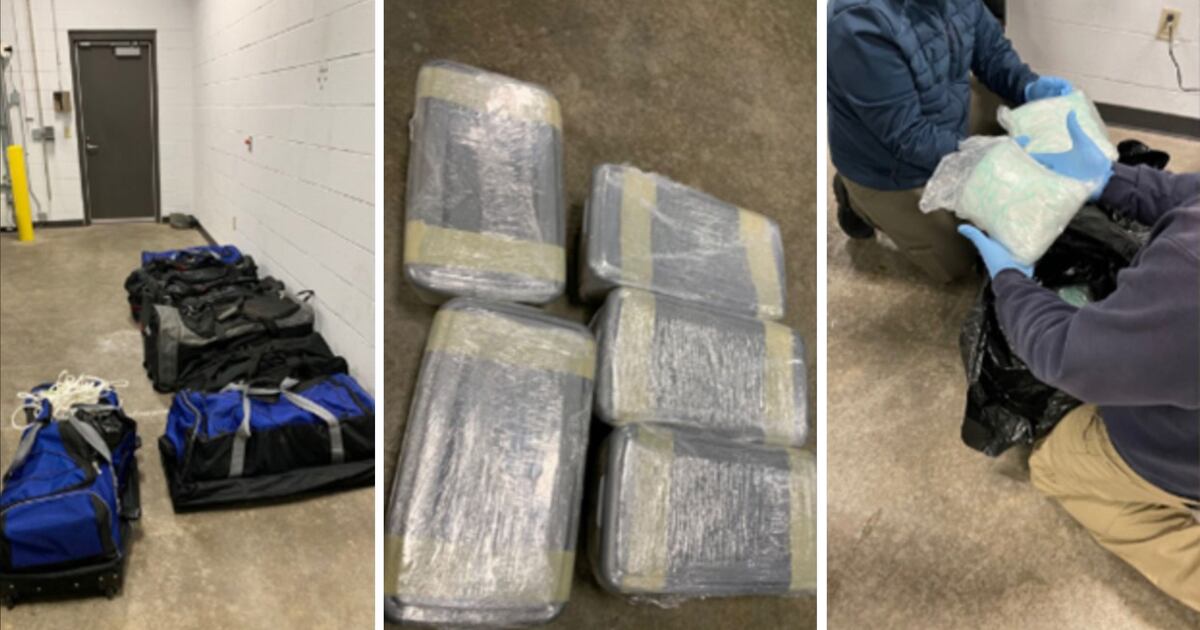
 Vancouver Judge Sentences Man for Attempting to Smuggle Drugs into Canada
KillBait - News highlights delivered clearly and responsibly—no clickbait, no sensationalism
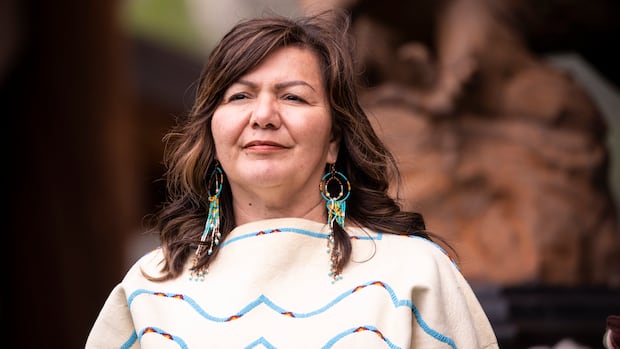
Photo: CBC
2026-07-22 19:32 Justice 10


Ongoing Investigation into Potential Unmarked Graves at Kamloops Residential School Site Faces Funding Challenges
Five years after the Tk'emlúps te Secwépemc First Nation revealed over 200 potential unmarked graves at the former Kamloops Indian Residential School, Chief Kúkpi7 (Rosanne Casimir) emphasized that the community remains in an engagement phase with affected communities to determine next steps.
The investigation, which includes accessing historical records and compensation claims from survivors, faces delays due to legal restrictions on document preservation.Funding for Indigenous-led projects related to residential school inquiries has seen cutbacks, creating barriers for some nations.Casimir highlighted the cultural sensitivity of the site, noting that 24-hour security was implemented after incidents of trespassing.The case has sparked national discussions on truth and reconciliation, with calls to criminalize denialism of residential school atrocities.Despite challenges, the Tk'emlúps te Secwépemc continue their work, balancing historical accountability with respect for Indigenous traditions.
2186
Original title: Tk'emlúps te Secwépemc chief says probe into possible unmarked graves continues with no end in sight
The AI system has determined that this news is clickbait/sensationalist: : The original title uses dramatic language like 'continues with no end in sight' to emphasize urgency, which may sensationalize the ongoing process rather than focus on community engagement and funding challenges detailed in the article. This has coincided with the opinion of the majority of users.
You may also be interested in...
Vancouver Judge Sentences Man for Attempting to Smuggle Drugs into Canada
 Tamara Lich Seeks Court Approval for International Travel, Including White House Visit
 Missing 4-Year-Old Boy Abducted in West Kelowna, RCMP Investigate