
 Ontario man facing new stunt driving charges while awaiting trial in 2024 fatal crash case
KillBait - News highlights delivered clearly and responsibly—no clickbait, no sensationalism
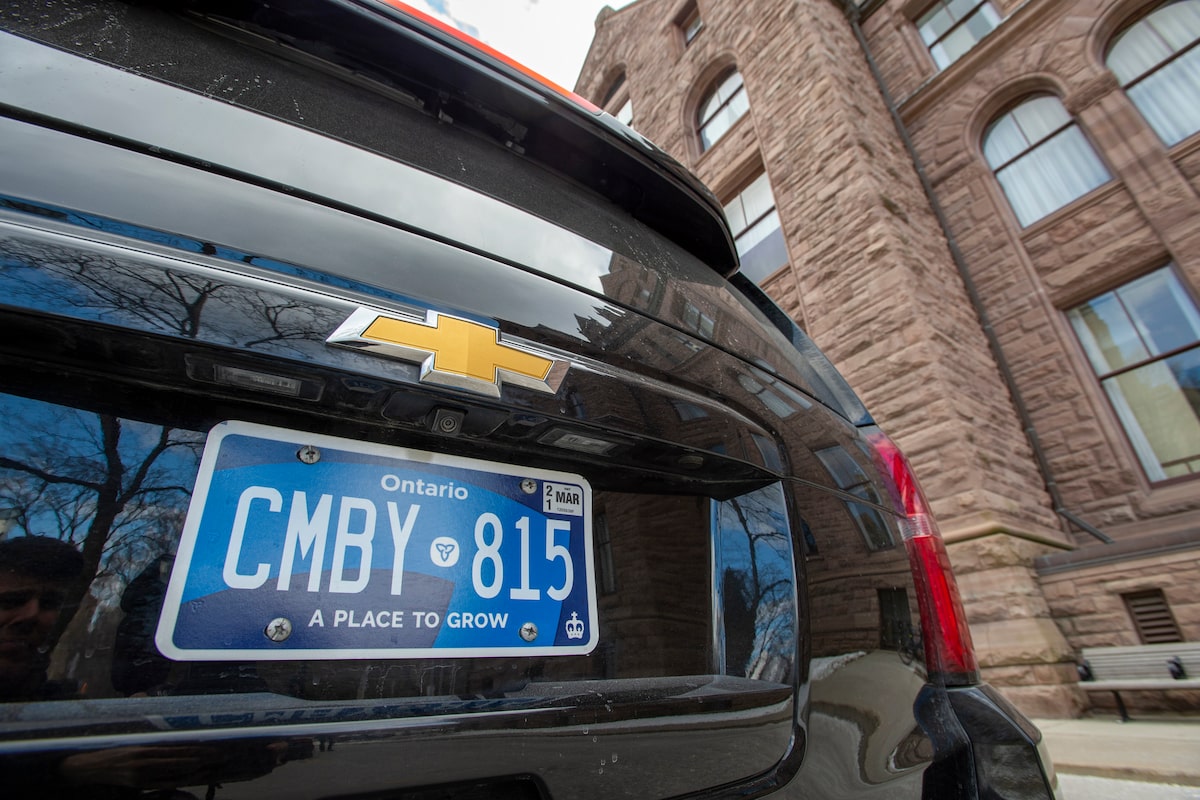
Photo: The Globe and Mail
2026-05-25 13:50 Justice 17 


Ontario government challenges order to release documents on blue licence plate program under freedom-of-information request
The Ontario government led by Premier Doug Ford is taking legal action to prevent the release of internal documents related to its discontinued blue licence plate program.
The case stems from a freedom-of-information (FOI) request submitted by The Canadian Press in 2022, which sought records about the province’s plans for handling the rollout and eventual removal of the plates.
According to the Information and Privacy Commissioner (IPC), the government identified 15 relevant records but refused to disclose them, citing exemptions for confidential advice from civil servants and information related to pending policy decisions.
The Canadian Press appealed the refusal, and the IPC ultimately ruled that although the exemptions applied, the public interest in disclosure outweighed the need for confidentiality.
The commissioner emphasized that the documents could provide insight into how the government evaluated different approaches, including costs and benefits associated with managing the problematic plates.
After an initial reconsideration request was also denied by the IPC, the provincial government chose to escalate the matter to court, arguing that the commissioner’s ruling was unreasonable and lacked sufficient evidentiary support.
The dispute unfolds against a broader backdrop of criticism regarding transparency in Ontario, particularly following recent changes to FOI laws that restrict access to records involving the premier and cabinet ministers.The blue licence plates, introduced in early 2020, were later withdrawn after concerns about poor nighttime readability.Although the program was halted, nearly 200,000 plates remain in circulation.The government has since indicated that the plates will be phased out gradually through natural attrition, a plan publicly disclosed in 2024.
Opposition politicians and transparency advocates have criticized the government’s decision to pursue legal action, arguing it reflects an ongoing pattern of limiting public access to information.
They contend that taxpayers are effectively funding repeated legal challenges aimed at keeping government decision-making details out of the public domain, even in cases where the policy issue has already been acknowledged and addressed.
Full reading at The Globe and Mail
2298
Original title: Ford government goes to court to fight FOI release of blue licence plate documents
The AI system has determined that this news is not clickbait/sensationalist: : The original title is straightforward and descriptive, clearly stating the government action and subject matter without exaggerated or sensational language, so it is not clickbait. This has coincided with the opinion of the majority of users.
You may also be interested in...
Ontario man facing new stunt driving charges while awaiting trial in 2024 fatal crash case
 Rules on crossing solid double yellow lines in Ontario under current driving law
 Two men convicted of second-degree murder for Alberta roadside shooting