
 Alberta pipeline proposal framed as opportunity for national unity and economic growth
KillBait - News highlights delivered clearly and responsibly—no clickbait, no sensationalism
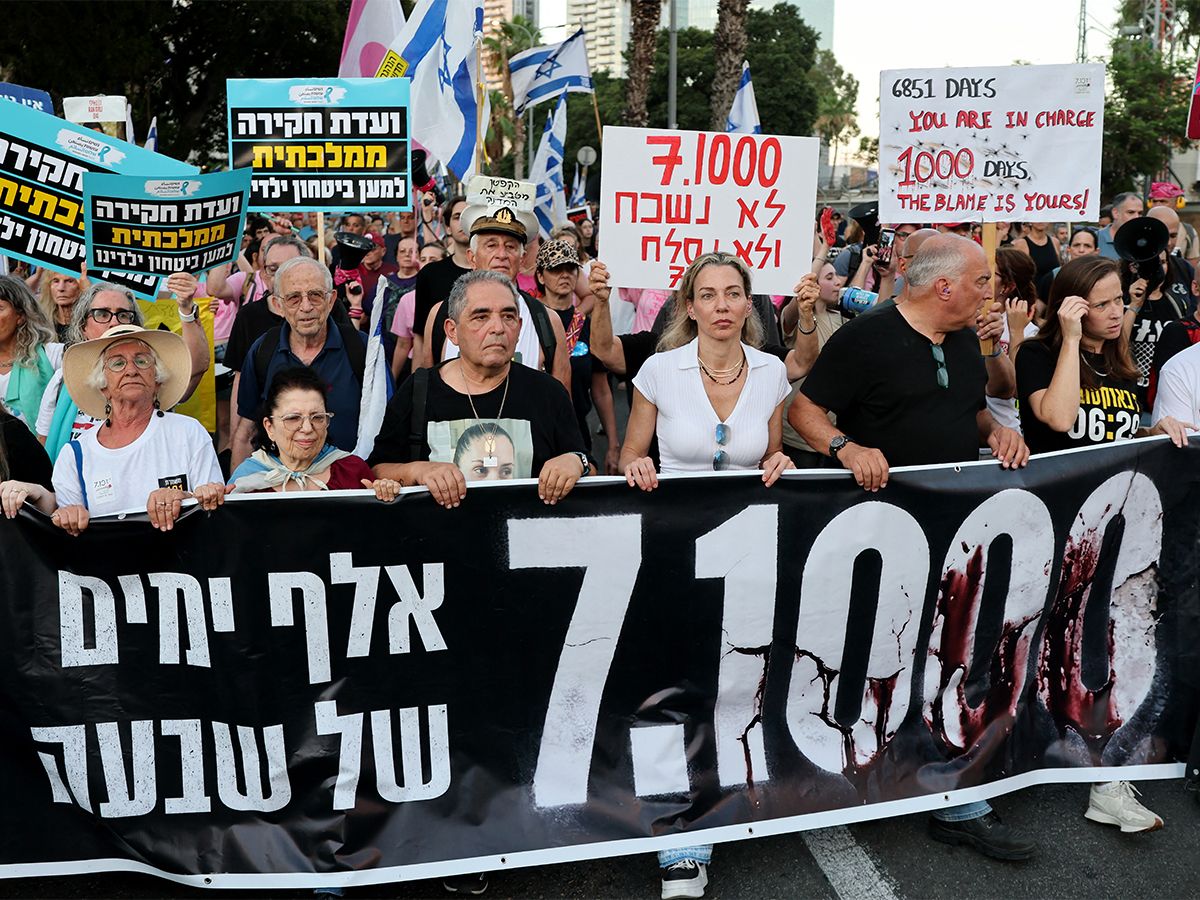
Photo: nationalpost
2026-07-03 12:56 Opinion 10 


Opinion: Growing Israeli fatigue over prolonged conflict and Netanyahu’s leadership
This opinion piece examines growing public exhaustion and political frustration in Israel nearly 1,000 days after the October 7 attacks.The author describes a country still operating under heightened security tensions, citing a recent incident near Eilat involving a jet ski crossing from Jordanian waters as an example of ongoing vulnerability concerns.
The article suggests that such events, combined with warnings from security officials about potential future attacks, have reinforced public anxiety about national security preparedness.
The commentary focuses heavily on the aftermath of October 7, arguing that institutional failures in intelligence and coordination remain a major unresolved issue.
It highlights criticism that Israel’s political and security leadership had access to sufficient warning signs before the attacks but failed to act effectively.
While senior military and intelligence figures have accepted responsibility and, in some cases, resigned, the article argues that broader political accountability has not followed.
Prime Minister Benjamin Netanyahu is portrayed as facing increasing public dissatisfaction, with polling cited in the piece suggesting that a majority of Israelis believe he should step down and support the creation of a formal commission of inquiry.
The article also discusses domestic political tensions, including debates over military conscription exemptions for ultra-Orthodox citizens and the strain on Israel’s defence forces amid ongoing multi-front security demands.
On the international front, the piece notes shifting diplomatic dynamics, including reported tensions involving the United States and regional negotiations, which the author suggests have left Israel more isolated.
Netanyahu’s leadership style is characterised as increasingly focused on political survival, with critics arguing that his recent messaging around unity governments and policy shifts is interpreted as an attempt to maintain power amid declining support.
Overall, the article presents a portrait of a society under sustained stress, with public fatigue, political polarisation, and unresolved questions about accountability shaping Israel’s current moment.
2186
Original title: Vivian Bercovici: Majority of Israelis are tired of war — and Netanyahu
The AI system has determined that this news is not clickbait/sensationalist: : The original title is straightforward and descriptive, accurately reflecting the subject of the opinion article without exaggerated language or sensational framing. This has coincided with the opinion of the majority of users.
You may also be interested in...
Alberta pipeline proposal framed as opportunity for national unity and economic growth
 Quebec couple wins $40 million Lotto Max jackpot after fishing trip
 Extreme Weather Patterns in Canada This Summer