
 Dan Rather Criticizes Bari Weiss for Changes and Firings at '60 Minutes'
KillBait - News highlights delivered clearly and responsibly—no clickbait, no sensationalism
Photo: nuclear-news
2026-05-29 09:12 Opinion 14 


Opinion piece claims Western governments are intensifying crackdowns on activism and journalism
The article is an opinion commentary by Caitlin Johnstone arguing that Western governments and allied institutions are increasingly restricting activism and journalism under the guise of national security, public order, and information control.
It claims that recent actions by authorities, including alleged targeting of activists and media figures such as Hasan Piker and Medea Benjamin for delivering humanitarian aid to Cuba, represent a broader pattern of political repression.The piece connects these alleged incidents to a wide range of global developments, asserting they are part of a sustained effort to suppress dissent.
It references the prosecution of Julian Assange as an example of punishment for exposing alleged war crimes, as well as restrictions and arrests related to pro-Palestinian activism in countries such as the UK, Australia, and Germany.
It also highlights increased scrutiny of protests, boycotts, and political speech related to Israel and Palestine, framing these actions as part of coordinated censorship.
Additionally, the article claims that media consolidation by wealthy individuals and corporations, algorithmic content moderation on tech platforms, and government secrecy contribute to limiting public access to dissenting viewpoints.It suggests that propaganda, “fact-checking” systems, and online moderation tools are used to suppress unauthorized narratives.The author concludes by arguing that these trends represent an escalating conflict between state power and independent truth-telling.
It presents activism, journalism, and the dissemination of alternative viewpoints as necessary responses to what it characterizes as systemic efforts to control information and public perception.
2257
Original title: Yet Another Escalation In The Empire’s War On Activism And Journalism
The AI system has determined that this news is clickbait/sensationalist: : The title uses highly charged and metaphorical language such as 'Empire’s war' and frames the issue in a dramatic, sweeping way, which is typical of opinionated or sensational framing rather than neutral reporting. This has coincided with the opinion of the majority of users.
You may also be interested in...
Dan Rather Criticizes Bari Weiss for Changes and Firings at '60 Minutes'
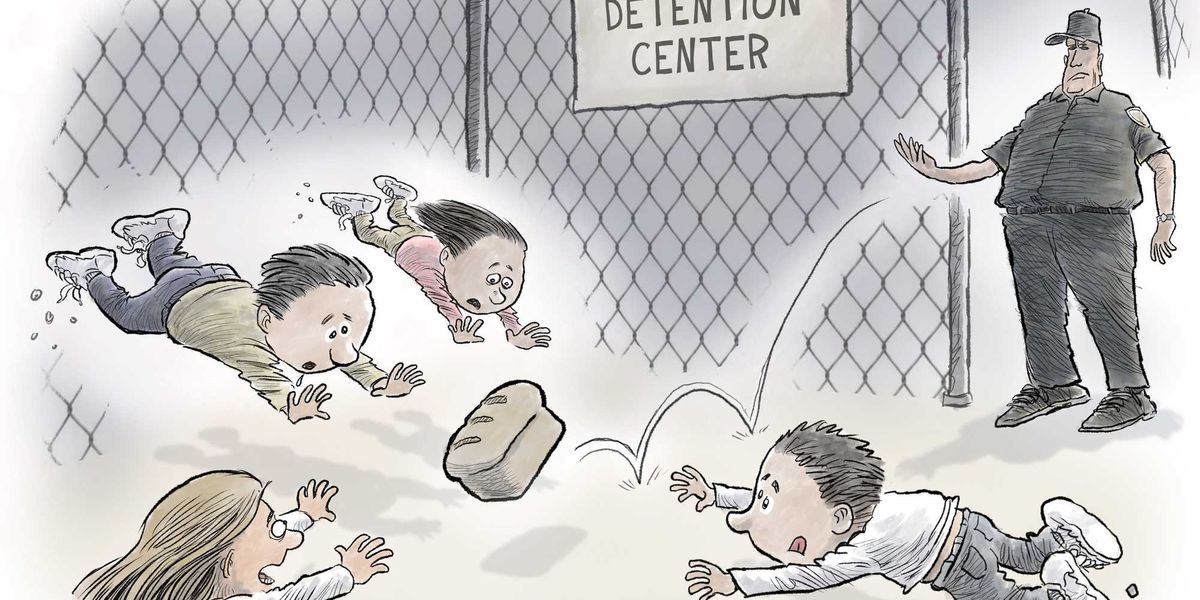 Nick Anderson Editorial Cartoon Examines MAGA Politics Through a UFC-Inspired Metaphor
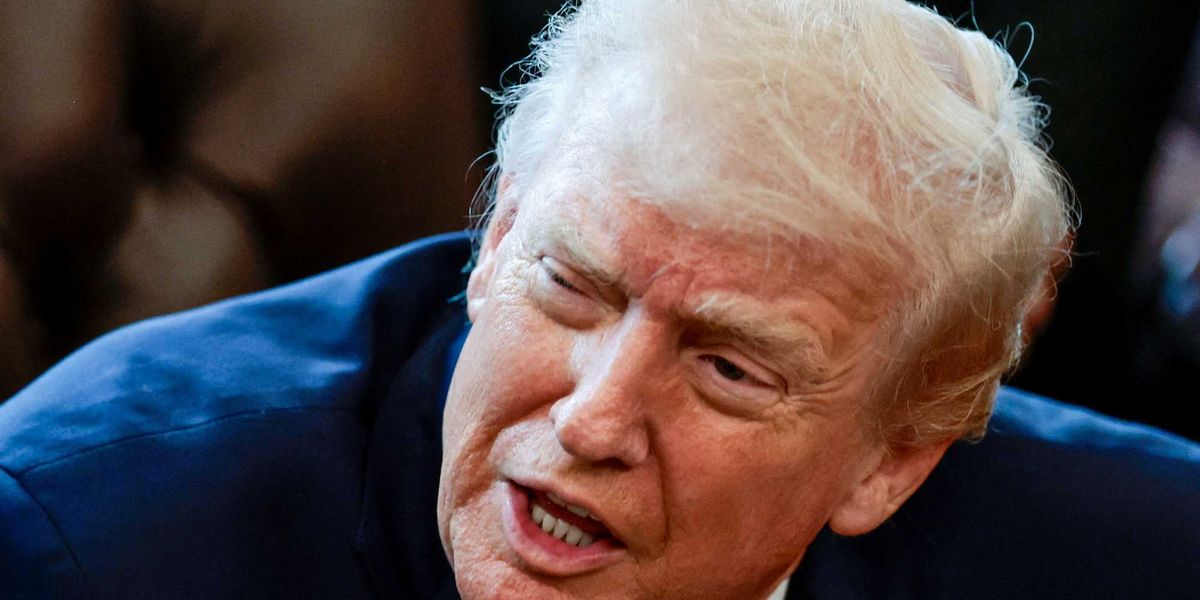 Robert Reich Argues Trump Is Using Voter Fraud Claims to Justify Election Restrictions Ahead of the Midterms