
 WHO warns worsening Ebola outbreak in Congo and Uganda is outpacing response efforts
KillBait - News highlights delivered clearly and responsibly—no clickbait, no sensationalism
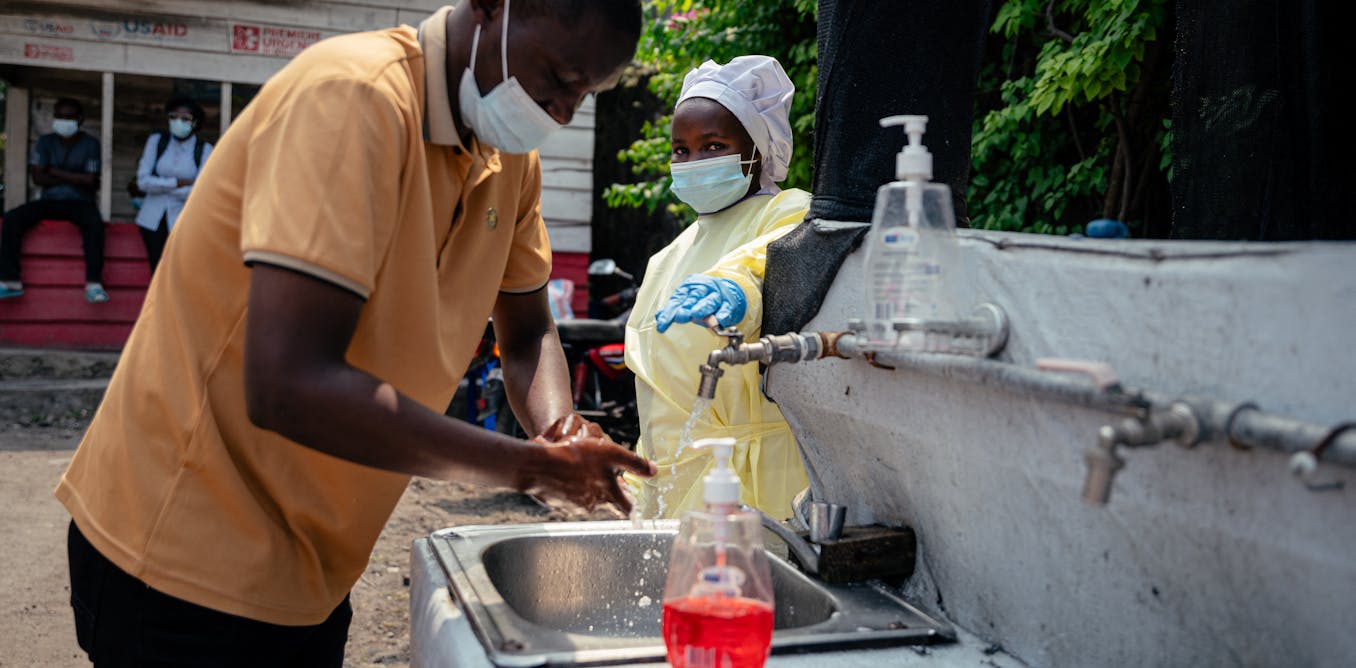
Photo: The Conversation
2026-05-19 06:54 Health 11 


Outbreak of Bundibugyo Ebola in Congo and Uganda Lacks Approved Vaccine
A new Ebola outbreak is spreading across the Democratic Republic of Congo and Uganda, caused by the Bundibugyo strain, for which no approved vaccine or treatment currently exists.
Identified in 2007, the Bundibugyo virus differs genetically from the more common Zaire strain, making existing vaccines and antibody therapies ineffective.The World Health Organization (WHO) declared the outbreak an international health emergency on May 17, 2026.Early detection was delayed because rapid field tests are calibrated for Zaire Ebola, not Bundibugyo, allowing the virus to spread unnoticed.By mid-May, authorities had recorded 246 suspected cases and 80 deaths in Ituri province, DRC.
The outbreak poses a heightened risk due to porous borders, mobile populations, ongoing conflict, and outbreaks in mining towns and urban centers, including Kampala, Uganda.The virus also has less obvious transmission routes, as it can persist in immune-privileged sites such as the eyes and testes even after recovery.Health workers are particularly at risk, with some early cases involving fatalities among medical staff.
Without targeted vaccines, containment relies on traditional public health strategies like case isolation, contact tracing, safe burials, and community engagement.Experimental Bundibugyo vaccines show promise in primates, but human testing is still incomplete.
The situation underscores the vulnerability of global health defenses to less common Ebola strains and the importance of rapid detection and international preparedness.
Full reading at The Conversation
2206
Original title: Ebola strain spreading in Congo and Uganda has no approved vaccine
The AI system has determined that this news is not clickbait/sensationalist: : The original title is factual and informative, directly stating the critical public health concern without exaggeration or sensationalism. This has coincided with the opinion of the majority of users.
You may also be interested in...
WHO warns worsening Ebola outbreak in Congo and Uganda is outpacing response efforts
 Uganda Confirms Two Additional Ebola Cases Linked to Congo Outbreak
 Ebola outbreak in Central Africa escalates amid clinic attacks and rising cross-border cases