
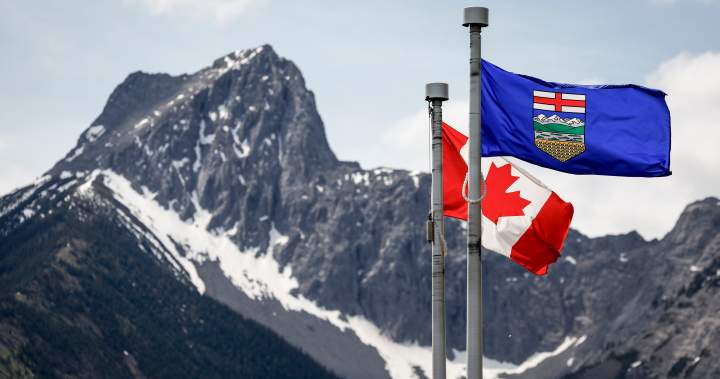
 Alberta government confirms referendum question and October 19 vote on separation proposal
KillBait - News highlights delivered clearly and responsibly—no clickbait, no sensationalism
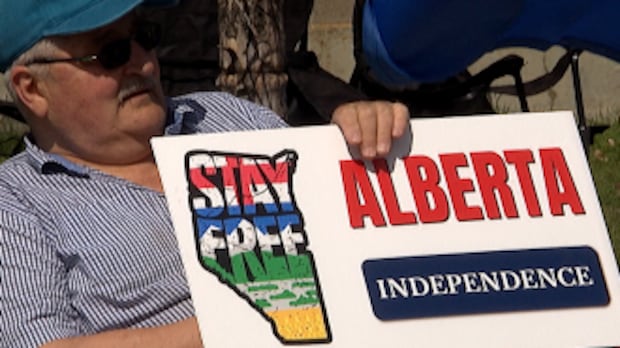
Photo: CBC
2026-05-30 20:27 Politics 11 


Overview of competing pro-separation and pro-Canada groups shaping Alberta’s referendum debate
This CBC News analysis outlines the fragmented and highly active landscape of advocacy groups emerging ahead of Alberta’s October 19 referendum on the province’s constitutional future.
Rather than a single coordinated campaign on either side, both the separatist and federalist camps are composed of multiple organizations, often with differing strategies, leadership styles, and occasionally conflicting priorities.On the federalist or “stay in Canada” side, several groups are already mobilizing.
Forever Canadian, led by former deputy premier Thomas Lukaszuk, has built a large grassroots campaign, collecting hundreds of thousands of signatures and launching promotional efforts such as campaign offices and a touring “unity bus.
” Another major player is Vote to Stay, a third-party advertising group led by former federal minister Monte Solberg, which is coordinating a regulated advertising campaign with contributions from former political figures including Jason Kenney and Travis Toews.
In addition, Lead Not Leave operates more as a research-focused think tank, bringing together academics and former political staff to challenge separatist claims.
Alberta’s Voice, led by strategist Stephen Carter, is campaigning on the referendum questions more broadly, including immigration and constitutional issues.
On the separatist side, Alberta Prosperity Project has been active since 2021 and previously led a petition drive that was later invalidated by the courts.
Other emerging groups include Alberta’s Next Step, led by Keith Wilson, which focuses on building structured policy arguments for independence, and Let’s Talk Alberta, which organizes public speaking tours to promote sovereignty ideas.However, divisions exist within the separatist movement, with disagreements over tactics, messaging, and engagement with political institutions.Other initiatives such as the Centurion Project have been paused due to legal and privacy investigations related to voter data.
Overall, the article highlights a complex, decentralized political environment where multiple overlapping campaigns are competing for influence over public opinion ahead of a pivotal referendum on Alberta’s future within Canada.
2208
Original title: A guide to the (many) groups running Alberta's separatist and remain camps
The AI system has determined that this news is not clickbait/sensationalist: : The original title is descriptive and factual, clearly indicating the article is a guide to political groups on both sides of the Alberta separatism debate. It does not use sensational language or attempt to provoke strong emotional reactions, so it is not considered clickbait. This has coincided with the opinion of the majority of users.
You may also be interested in...
Alberta government confirms referendum question and October 19 vote on separation proposal
 Legal experts warn Alberta separation process would create major constitutional and economic uncertainty
 Poll shows declining concern over Alberta and Quebec separatism in Canada